Article filter: Digital & Techno

src="/wp-content/themes/yootheme/cache/39/AdobeStock_389648762-39095b7d.webp"

What value do technology and digital solutions add, and what are their limitations?

AI and automation offer unprecedented solutions for boosting business performance. A race to adopt these technologies is underway in the supply chain—as in virtually every other field—amid full awareness of the risks posed by uncontrolled, large-scale deployment to the world of work as we know it.

While our companies are fighting to keep growing despite repeated crises, people are worried about the future of their jobs and their children.

Two issues that may seem contradictory at first glance but can be addressed through new technologies and digital solutions.

So, should we—and if so, how—strike a balance between the pace of technology adoption and the ability to transform professions and skills, including in initial training programs?             

How much autonomy and expertise will robots eventually achieve?                    Should we want AI to become truly intelligent?

Isabelle BADOC , Director ofProduct Marketing for the Supply Chain at GENERIX

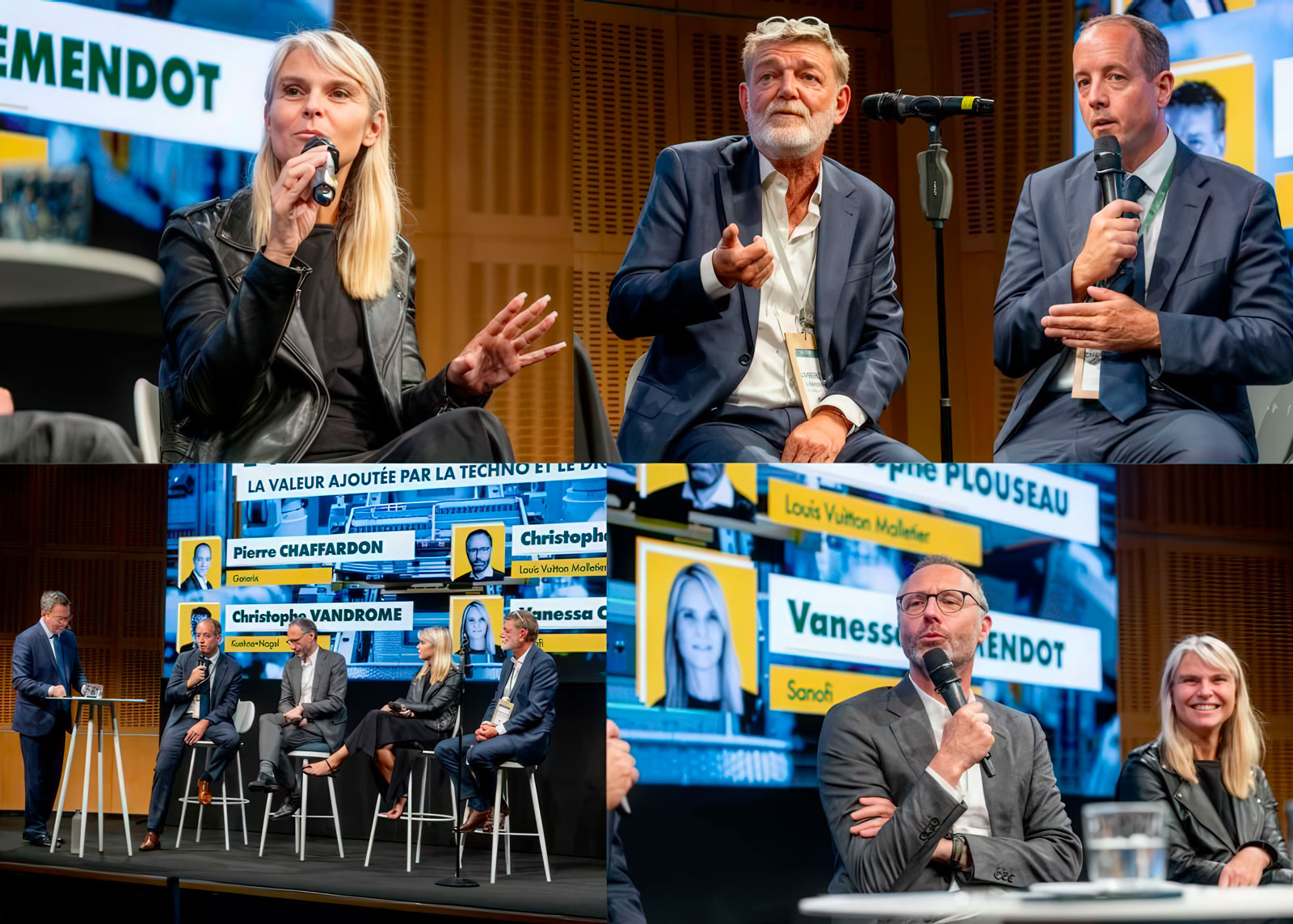
Here is a preview of one of the two panel discussions on the agenda for the upcoming RISC 2026, courtesy of our main sponsor: GENERIX.

Automate to make life easier

Reducing physical strain helps protect workers’ health. Reducing the mental strain of repetitive tasks and boredom helps protect their well-being at work.

Here, technology enhances human capabilities by relieving people of certain tedious tasks.

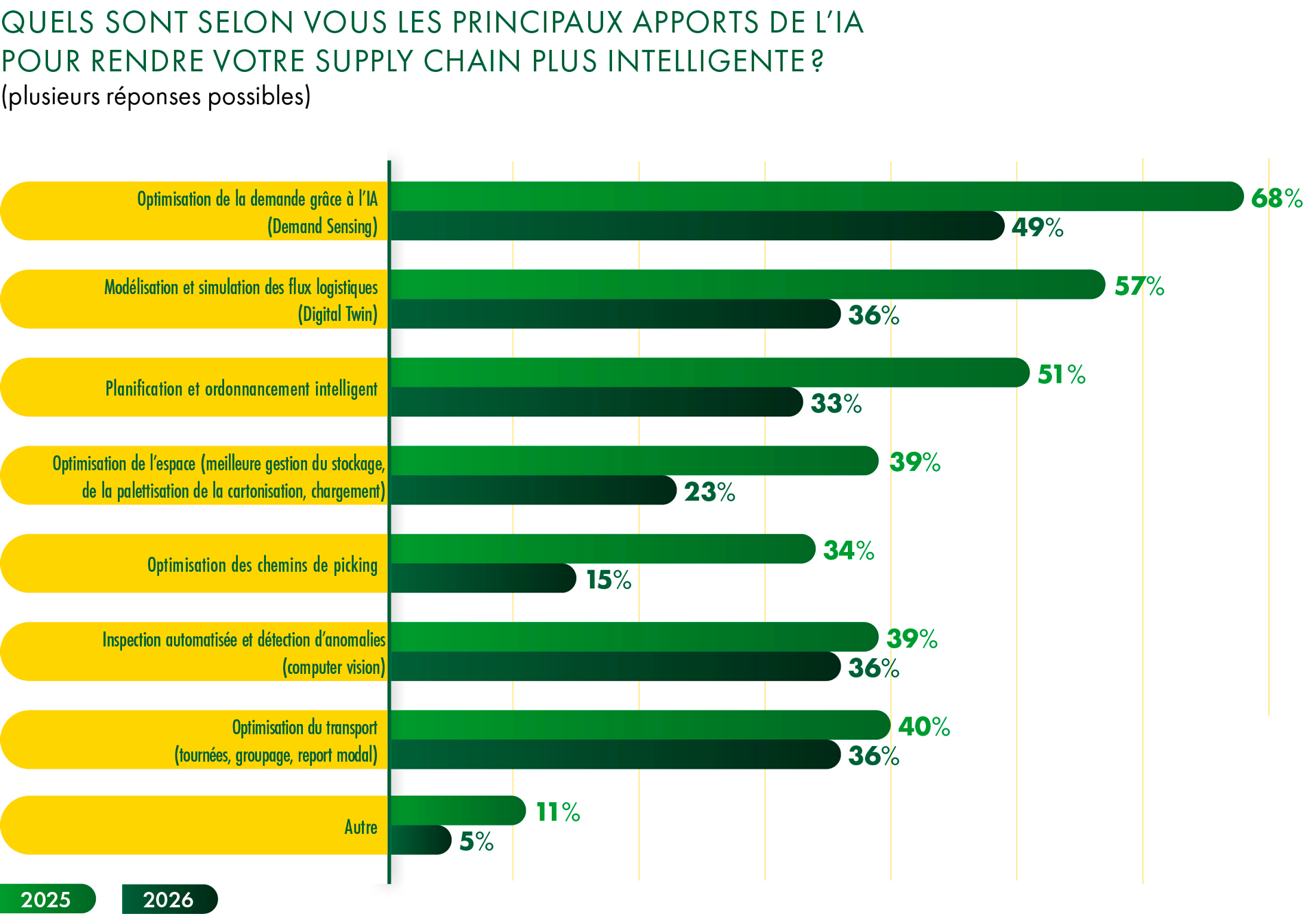
Let’s take the example of Computer Vision , which enables continuous monitoring of the integrity and compliance of incoming pallets.

This task is so tedious, and the resulting quality so poor, that it is sometimes eliminated altogether, leading to gaps in traceability and associated costs. While AI handles the tedious part of the inspection and identifies errors, humans focus on resolving them. This is a far more satisfying and motivating role.

Increase human engagement

Well-designed digital tools make the rules of the game clearer: transparent objectives, shared standards, and metrics that are understood and accepted. They enable employees to understand the impact of their actions, measure their contribution, and make progress. Technology then becomes a driver of engagement, rather than a tool of control that is imposed on them.

Here, technology enhances human potential by giving meaning to people’s work.

Let’s take the example of performance analysis and activity reports. With AI, the role of the manager is transforming. Today, managers are essentially Excel experts who spend a significant portion of their time chasing down information and processing it to present it in a clear and coherent way. With AI, they become the architects of an efficient and fast information system. They connect more information sources, streamline and standardize input data, and build reports that are more readable and robust—which enhances their value. They save time and can better focus on identifying new performance drivers. They make the results that inform their decisions more transparent and strengthen their oversight, leading to greater engagement among their teams.

Help decide

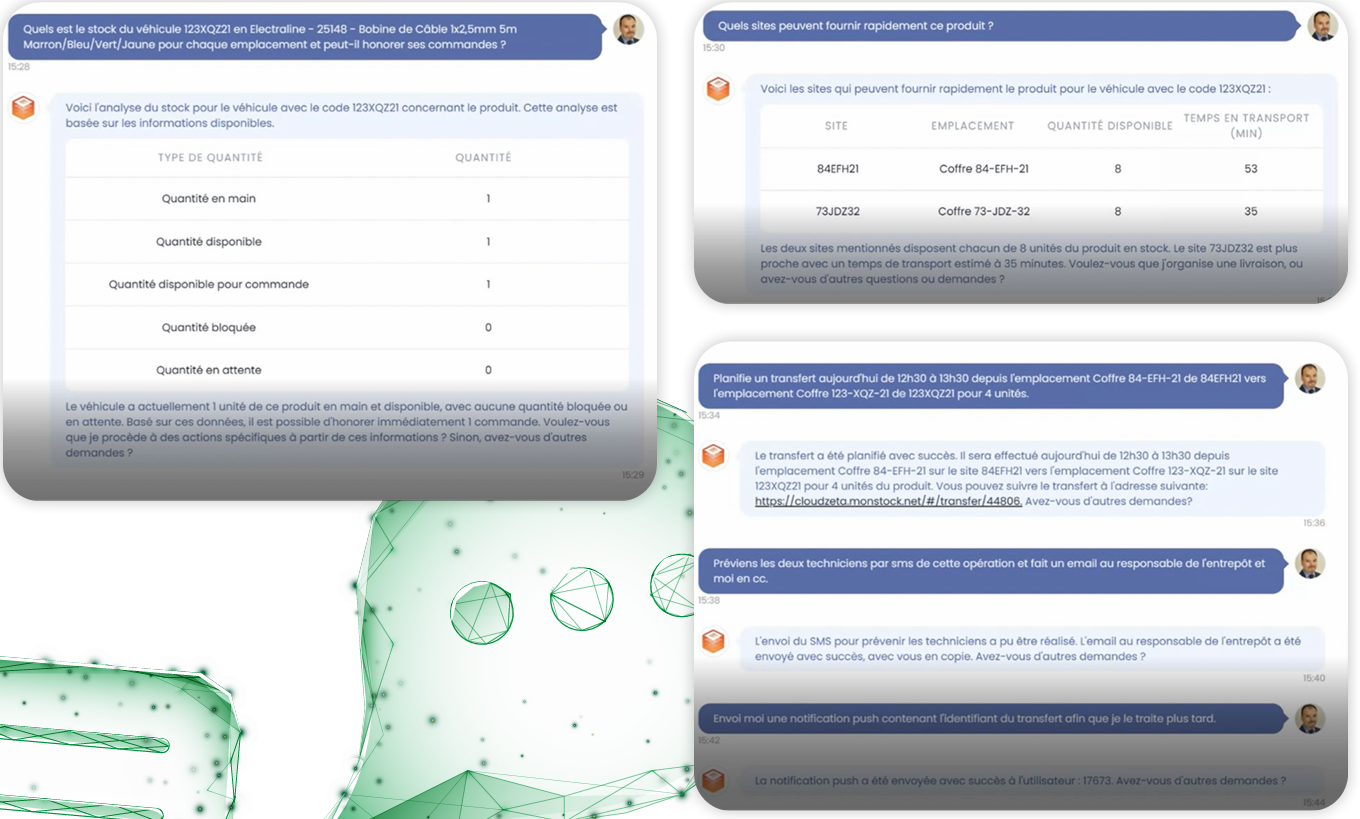
Example of how generative AI can be used to support maintenance technicians (best practices guide from the Digital Techno LAB)

Gain insights from a wider range of data and information from various sources, both internal and external.
Be able to simulate numerous scenarios to compare results by varying assumptions at breakneck speed. Decision support is a highly valued application of AI in supply chain operations, particularly in execution, which must constantly adapt to all kinds of unforeseen events.

Which orders should I prioritize when I don’t have time to process the entire order book? How will this delay affect my schedule tomorrow?

Do I need to hire additional staff? How much will that cost? Who can I call on at the last minute? How can I get started quickly?

With specialized AI agents or models that are well-fed with data, even a junior team leader can fully control their schedule and budget. They can ensure the best work environment and level of engagement among their team members.

Here, technology enhances human capabilities by helping people make better decisions more quickly.

Transforming management

With the advent of technology, the role of the manager is evolving. It is no longer just about “getting things done,” but about “fostering growth”: developing versatility, supporting skill development, and safeguarding critical human know-how and expertise. Managers are learning to assign tasks to different types of resources (technological or human), creating mixed teams and integrating AI agents as members of their teams. Of course, they are training themselves and their teams in “prompt” usage.

Here, technology enhances human capabilities by helping people manage more effectively.

Understanding the limitations of AI… as of now… and the role of humans in effective collaboration

Human review and approval required

An AI system that is well-designed, well-trained, well-fed, and well-monitored should make very few mistakes. In supply chain management—and often in other fields as well—most AI systems do not yet have the necessary conditions to solve complex problems completely on their own.

To address this challenge, Breton Yann LeCun has announcedAdvanced Machine Intelligence ( AMI) Labs, which is capable of understanding the “real world”—that is, the context of a problem and its environment—thus overcoming the limitations of current AI models, which merely manipulate language.

Understanding AI Results

Understanding the decision-making process remains essential when entrusting AI with certain tasks that carry high risks to human health, for example. We want to understand how and why an AI system arrives at a specific result. However, Large Language Models ( LLMs ), Deep Learning (deep neural networks), complex Machine Learning, and quantum computing remain black boxes. At best, they provide a confidence score or warn of limitations regarding the results they deliver. Humans therefore remain in charge, and AI serves as a tool and an aid.

Set decision-making priorities

AI generates results based on a specific request and context. For example, when conducting decision simulations, a human will guide the AI based on their preference between economic performance, service quality, and environmental impact. Or between robustness and hyper-optimization in an uncertain context. This precise framework ensures the relevance of the AI’s responses.

  • What AI Can't Replace

    Manual precision

    Emotional Intelligence

    Analysis of nonverbal behavior

  • AI as a “Companion”

    Enhanced capabilities

    Strict rules (European AI Act)

    A humanistic approach focused on people

  • The Supply Chain of Tomorrow

    The Augmented Human

    The three-pronged promise: responsiveness, profitability, and sustainability

A supply chain powered by augmented human capabilities promises to be more responsive, more profitable, and more sustainable. It puts people back at the heart of the system’s intelligence and embraces technology while adhering to humanistic goals that ensure the long-term viability of the solutions implemented.

To learn more about the full program

NEWS

See all the news


EVENTS

PRESS
To go further

Read more

Woman observing the organization around her company's data

Data governance: the pillars of organizational transformation

"I'm not a data specialist, it's not my problem," "There are so many tools, I don't know where to find my customer data," "Trust is one of our company's values, we don't need a complicated authorization system." Often heard in companies, these phrases reflect a reality: data is widely discussed, but its management often remains scattered. We therefore decided, together with our partner Citwell, to dedicate a webinar to this topic , as it can be costly for a company. Here is a summary of this live event, which will help you understand the pillars of this essential business organization through real-life examples and numerous expert recommendations.

Download our guide

Roles and responsibilities

Who is responsible for what?

During this webinar, Saâd Kadioui, Partner/Head of IS Transformation at Citwell, emphasized thatthe business is primarily responsible for data quality. He warns organizations that dilute this responsibility by entrusting it to a data entry department that adds no value: "The real impact of this type of organization is that itdilutes responsibility for data quality. The business doesn't feel responsible because it's not the one entering the data, and the department that enters the data isn't responsible either because it's not the one providing the data."

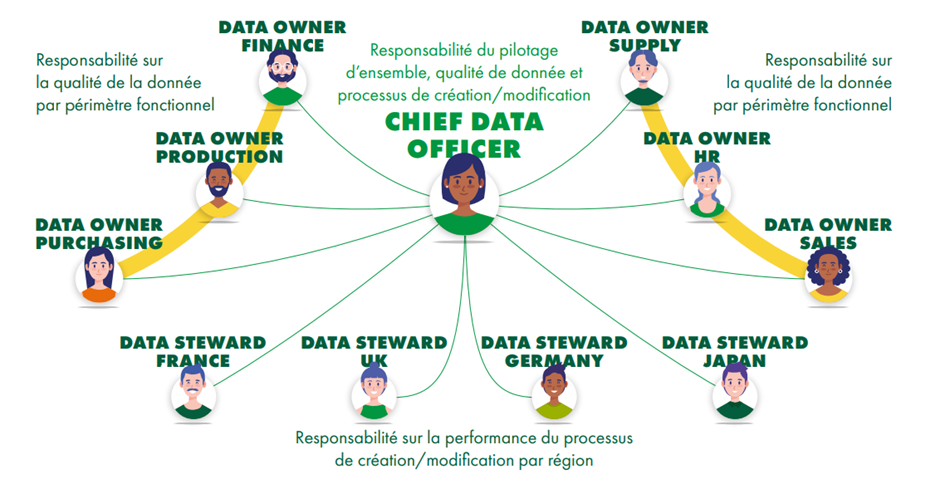
To structure governance, he introduced key roles: the Data Owner, a business person responsible for the content and quality of data, and the Data Steward, who oversees the creation and modification processes. The whole process is orchestrated by a Chief Data Officer.

Did you know?

The role of data owner can be combined with other functions, which is the case in most companies.

Data governance diagram

Illustration of an organization structured around data

Olivier Weiss, S&OP Business Development Manager at Renault, illustrated this point with the example of vehicle coding at Renault Trucks, where the coexistence of old and new codes can lead to errors if the business does not ensure reliability. "In the current 7-digit coding system, each digit is meaningful and allows us to identify the type of silhouette, the type of engine, the type of emission standard, etc. However, some old model codes still exist, and if we use the new coding system with these old model codes, we end up with incorrect data." Responsibility or proximity to the business is essential here because it is the business that will be able to say , "Watch out, we have a potential discrepancy here."

Best practice

Establish close collaboration between the business and its Data Steward: the customs code (product ID used to cross borders) is strategic data linked to 375 regulations that are subject to change (the World Customs Code is amended every five years): "Imagine the amount of data that needs to be managed and that is associated with this customs code. If I don't have the support of a data steward to update this data, it becomes very complicated for me," concludes Delphine Cuvellier , Customs Manager France at Alstom.

Data mapping

Where can the data be found and who owns it?

Given the multitude of tools available (ERP, PLM, etc.),there is a clear need for a"data GPS ." Saad explained that there is no such thing as a universal ideal urbanization (data mapping) solution, but rather one that is tailored to the context and uses of each company. The key is to define where data should be created, modified, and stored, following a strict master-slave relationship (a single master for modification, multiple slaves for consultation) in order to guarantee integrity.

Remember that in urbanization, you first need to think about uses and the complexity of use. "For example, if I am in a company that produces standard machined parts, with little documentation and extremely slow product life cycles, then I may not need PLM (Product Lifestyle Management), and perhaps an ERP workflow would suffice for the new products I create."

Best practice

Always evaluate the benefit/cost ratio of obtaining data: "Some data is very easily accessible, while other data can sometimes be extremely costly to obtain. This may be due to the history of the systems we have worked with, or to the poor quality or incompleteness of the data entered at the time. So you always have to ask yourself what the ultimate business value is."

Data security

What is the level of confidentiality of my data and how can I protect it?

The speakers addressed the need to secure access to data. Saad advocated finding a pragmatic balance in access management so as not to create an overly complex system, while highlighting the immense risks (data leaks, loss of integrity, GDPR non-compliance) of lax management, particularly during project go-lives. "What will really push us to be pragmatic here is the level of maintainability and confidentiality." 

Olivier shared an example in which cross-referencing a chassis number with geolocation data borders on the concept of personal data: "All vehicles are connected, we receive information on journeys and registrations, it's an important source of business. Couldn't I identify the driver? Sensitive data can be hidden at levels we don't necessarily suspect."

Supply chain risk management

Warning and associated best practice

The advent of BI and AI (LLMs) has significantly increased exposure to risk. "We all know the value of data, there are many hackers looking for this data, and there are even greater capabilities to disseminate it. So we need a robust, well-designed model for restricting access to data." To this end, Delphine recommends using a RACI matrix to clarify responsibilities and access rights.

Data management process

Which data is mandatory versus optional?

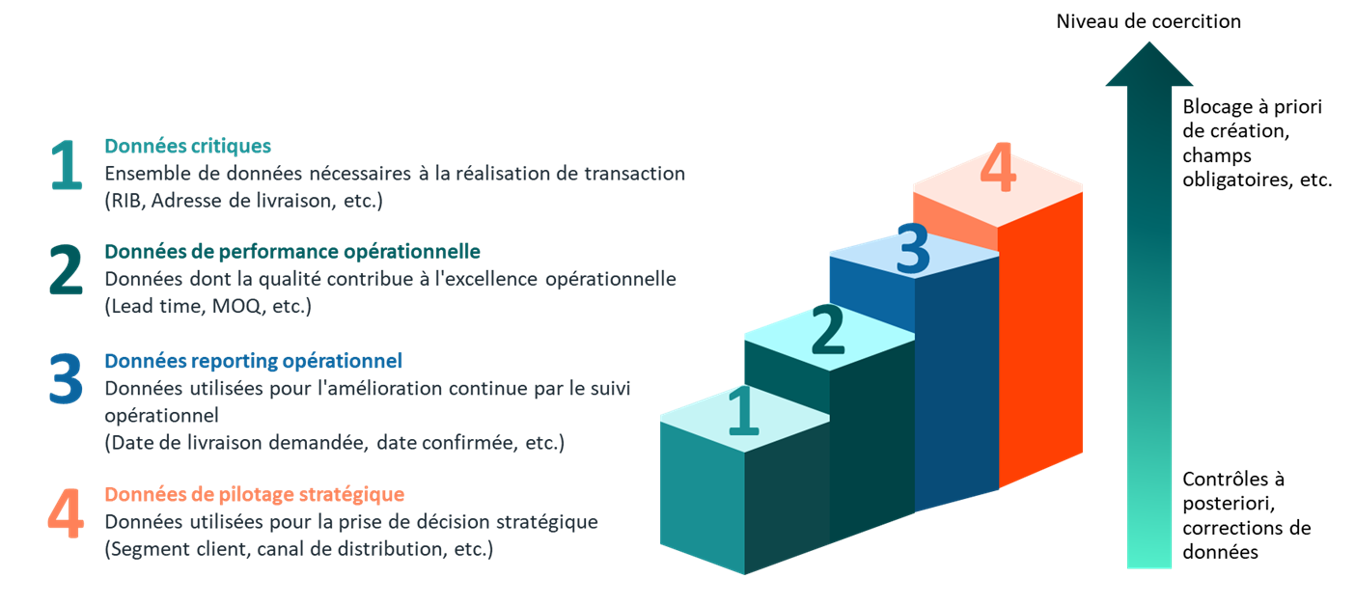
The 4 levels of data criticality

The 4 levels of data criticality

To counter the use of parallel Excel files due to a lack of confidence in the systems, it is crucial to manage the data lifecycle (creation, life, death) through robust and documented processes. Saad emphasized "frugality": structuring and maintaining only those data whose value to the business exceeds the cost of management.

To do this, it introduced a distinction between a priori controls (blocking, to guarantee quality) and a posteriori controls (non-blocking, for fluidity). The application of these controls depends on the criticality of the data, which is classified into four groups: critical data, operational performance data, reporting data, and strategic management data.

Best practice

Data quality must be orchestrated; it is closely linked to the process and the involvement of managers and facilitators, particularly for cross-functional master data (customer items, suppliers, etc.). Therefore, "to increase the robustness and quality of data, it must be controlled during creation and modification, without compromising operational efficiency, with cycle times that are too long between the need for creation and the availability of data in the system."

Did you know?

Anticipating data and knowing when it is critical and strategic is the most important factor in streamlining a supply chain.

What about performance?

Monitoring and ensuring data governance performance revolves around two main areas:

  • Responsibility for leadership
  • Responsibility for content

On the one hand, the initiative aims to guarantee the quality, speed of availability, and accuracy of data from the moment it is first produced. The associated key performance indicators (KPIs) are time to data (the average time between the request and the availability of data) and first shot accuracy (the rate of data that is correct from the first version), reflecting the efficiency of processes and their ability to avoid subsequent corrections.

On the other hand, content responsibility is based on five essential dimensions, managed by data owners:integrity (consistency and existence of values), completeness (exhaustiveness of records), relevance (adequacy of values to business rules), freshness (regular updating of data), anduniqueness (absence of duplicates). These dimensions ensure that data is reliable and usable.

Download

  • Thierry Blein

    Delphine CUVELLIER

    Customs manager France

  • Photo by Olivier Weis

    Olivier WEIS

    S&OP Business Development Manager

  • photo by Saad KADIOUI

    Saad KADIOUI

    Partner / Head of IS Transformation

    Citwell, a transformation gas pedal

Q&A with the Audience

The last part is devoted to questions from participants, which focus on very concrete implementation issues.

  • Acceptance by the trades

    To ensure governance is accepted without slowing down processes, Saad emphasizes that this is an organizational transformation driven at the highest level (COMEX), not just a simple initiative. This involves adapting job descriptions with the help of HR and defining clear objectives.

  • Role of part-time Data Owner

    One participant notes that this role is often deprioritized. Saad confirms that this is a real risk. The solution lies in integrating data quality into performance objectives and the evaluation of the person concerned.

  • Role recognition

    The questions confirm the need for official recognition of the roles of Data Owner and Data Steward in job descriptions so that the mission is taken seriously. Delphine adds that it is often easier to train a data user in the profession (customs, for example) than to find a data scientist who is an expert in the field.

  • Data leak

    In the event of an incident, the response must be proportionate to the level of risk and the sensitivity of the leaked data. Olivier emphasizes the importance of regularly reviewing access rights and revoking them when individuals change jobs, a practice that is often overlooked.

  • Quantifying ROI

    To justify the time spent on data quality, Olivier suggests starting by evaluating the time saved by avoiding manual consolidation. Saad adds that ROI can also be measured in terms of risks avoided (non-compliance, operational errors) and, above all,missed opportunities: no major technological shift (AI, advanced analytics) is possible without high-quality data.

NEWS

See all the news


EVENTS

PRESS
To go further

Read more

Digitizing better and more: the guide to putting your data under control

The data governance is a powerful lever for improving performance, securing operations and preparing for the future from Supply Chains (AI, automation, compliance, etc.). To reach this level of maturity progressive digitizationof the Supply Chain is essential. Discover in this article the work of the members of LAB Digital et Technologies who who have been working on the subject since 2024, to provide accessible tools even with limited and expertise.

No AI without data

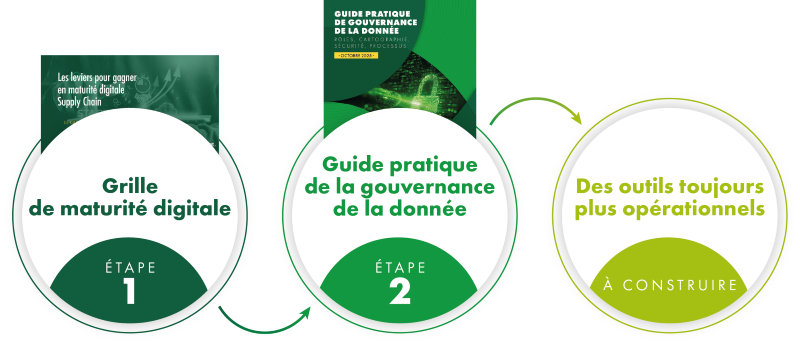
The story began a year and a half ago, with the design of a "digital maturity grid". This resource enables us to define a company's transformation potential a company's transformation progressin complete autonomy (link at end of article).

The major finding of the discussions and design of this 1st guide was: no maximum digital maturity, no logical Event Driven logic (i.e. an augmented operator and a system that acts) without complete complete mastery of its data.

The "maturity grid" squad was transformed in 2025 into a new squad with a focus data governance.

This new group of members is now publishing its practical guide. 

Guide reserved for association members

Download

photo by Saad KADIOUI

Saad KADIOUI

Partner / Head of IS Transformation CITWELL

"Data quality is key to supply chain efficiency chainData quality is key to supply chain efficiency, but I find that many of my customers have poor control over it. This is precisely where governance plays a central role: although it is often neglected as being restrictive and not very visible in the short term, it is the essential lever for this control. Without it, it's impossible to guarantee reliable data, and the the company misses out on the real opportunities for excellence provided by new data technologies (data science, data platform, AI, etc.).. "

PHOTO BY Philippe gourbeyre

Philippe GOURBEYRE

Supply Chain Owner - Michelin

"Faced with the rapid proliferation of data, the need for responsiveness in decision making, compliance in an increasingly large ecosystem, and opportunities with new technologies (Artificial Intelligence, Machine Learning, ...), Data transformation requires well-defined roles and responsibilities. Setting up governance will enable everyone in the company to understand their role in the data lifecycle and assume responsibility for it."

Pragmatic digitalization accessible to all

The 2 publications follow the same same guiding principle: to aim for operational practices that are easy to implement. With these tools, the members demonstrate that digitizing the supply chain is accessible even with limited resources, as it is a gradual process (we have included a glossary for the uninitiated).

Two guides offering a pragmatic, step-by-step approach step-by-step, pragmatic approach to structuring yourto structure your practices around pillars.

The 3 pillars of Supply Chain digitalization :

        • DATA

        • HUMAN

        • TECHNOLOGICAL BUILDING BLOCKS

        The 4 pillars of data governance :

              • Clear, recognized roles and responsibilities.

              • Reliable, shared data reliable and shared.

              • Safety adapted to uses and regulations.

              • Management processes controlled, documented and measured.

                    When we talk about alignment with the field, we're referring first and foremost to tests and implementations of the grid carried out by other squads and members on topics such as S&OP, data governance for CO2, bonded warehousing or AI GEN.

                    In the context of data governance, recommendations can seem very theoretical and rigid, but here we remind you of the importance of taking into account the reality on the ground. This guide and its pillars must be adapted to your reality.

                    Being concrete and actionable has always been a priority for LAB. This is also reflected in the availability of techniques and methods methods (diagnostic tables, concrete examples, diagrams) to facilitate implementation in your context.

                    A guide to mastering your data: a rewarding co-construction project

                    Let's talk to the guide's editors to understand the importance of this project for organizations.

                    Photo by Olivier Weis

                    Olivier Weis S&OP Business Development Manager - Renault Trucks

                    "In Business Development activities within the S&OP department at Renault Trucks, being able to rely on quality data, i.e. data in which there is a high level of confidence, is essential. This is all the more true where the concept of "Citizen Development" is concerned (i.e. user departments develop their own tools on the basis of the data models made available to them). 

                    Raw or, more often than not, transformed, data is the indispensable cement in the management of our supply chain , and in the decision-making process. That's why data governance processes, which are increasingly solid, structured and documented, are becoming more and more important, enabling us to make better use of our data on a daily basis. 

                    Photo by Olivier Weis

                    Delphine CUVELLIER French Customs Manager - ALSTOM

                    "When we think of customs, the first thing that comes to mind isn't necessarily data. However, we are also impacted by digitization, which is changing our practices and professions, and this is only the beginning. We are at the dawn of a data-driven revolution, which is redefining not only our tools, but also the interactions between public and private players. That's why I wanted to take part in this work. 

                    In the customs field, this transformation is accelerating thanks to the transposition of the Union Customs Code (UCC) into data and the imminent arrival of the European Data Hub. These developments mark a strategic turning point: data is becoming an essential lever for performance, compliance and anticipation.  

                    For customs authorities, the challenges are many and varied. Firstly, to intelligently target goods flows by detecting anomalies and fraud risks, such as undervaluation or inconsistencies in declarations. Improving service performance, by providing an overview of an operator's exchanges. And combat illicit trafficking by exploiting massive data with the help of artificial intelligence. 

                    For economic operators, data is also becoming a strategic tool. It enables them to anticipate protectionist measures and adjust sourcing strategies. It facilitates the integration of customs regulations and associated costs into the supplier selection process. And it helps secure supply chains and optimize international flows.  

                    It's always a great pleasure to share and exchange ideas on key subjects, and I hope that this collaborative work will be of use to other professions." 

                    The adventure continues - contact us to find out more!

                    NEWS

                    See all the news


                    EVENTS

                    PRESS
                    To go further

                    Read more

                    Supply Chain Day 2025: what can we learn from the day?

                    Supply Chain Day is an opportunity to look back on the major achievements of the association and its members, and to follow their development. This 2025 edition marks a turning point with a major change for France Supply Chain: twice as many productions, the creation of an endowment fund, new strategic partnerships and even more committed governance.

                    Discover in pictures the key moments and messages of the Annual General Meeting and the digital learning expedition that followed.

                    A new Board of Directors, but above all continuity

                    Chairmanship and Co-Chairmanship: changes to the bylaws

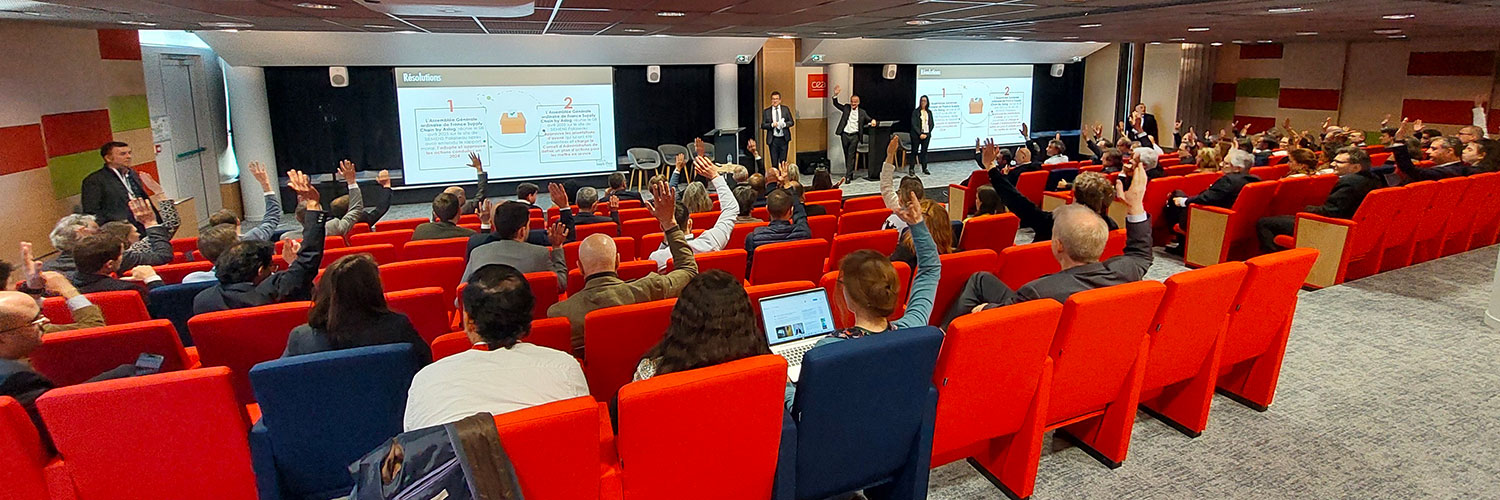
                    At the Extraordinary General Meeting, a major amendment to the bylaws was proposed concerning the association's governance. The presidency will remain unchanged in terms of required qualifications: the president must be a shipper, responsible for an international supply chain. However, a major innovation has been introduced, with the possibility of appointing a co-chairman. The co-chairman, who may be retired or have a reduced activity, must also come from College 1 shipper and have managed an international supply chain over the last five years. This measure is designed to relieve the Chairman of the many requests to attend meetings, and to distribute the workload more evenly.

                    Renewed governance, as committed as ever

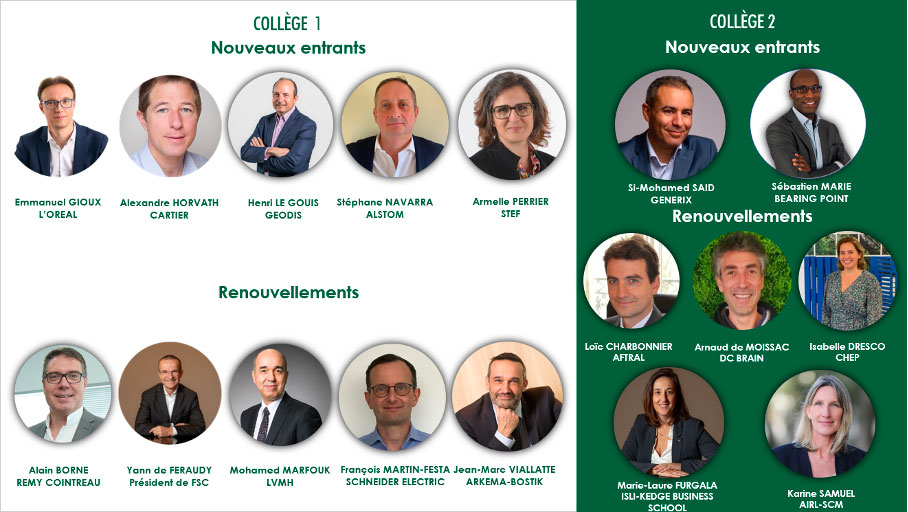
                    New members and renewed mandates on the France Supply Chain Board of Directors

                    New members and renewed mandates on the France Supply Chain Board of Directors

                    The Board of Directors (BOD) of an association plays a crucial role in the governance and management of the organization. It has a versatile and essential role, ranging from strategic definition to operational management, including representation and supervision. It is the guarantor of the association's smooth running and long-term viability, in direct contact with the team of permanent staff and active members.

                    At France Supply Chain, the Board of Directors takes the form of a "comité des sages" or scientific committee. It is made up of a diversity of profiles and complementary expertise: manufacturers, distributors, logistics service providers, academics, researchers, solution providers, real estate players, etc.

                    Following a vote at the Annual General Meeting, the Board will be given new responsibilities, in particular the management of membership fees, previously the responsibility of the Annual General Meeting. This reform will allow greater flexibility, as the Board meets four times a year, unlike the General Meeting, which only meets once a year. This reorganization is essential to keep pace with the association's growth, and requires greater commitment from its members. It is crucial that directors are available and involved to ensure effective and proactive management.

                    Discover all directors

                    An association on the move for ever more IMP'ACT!

                    The Association steps up a gear

                    The past year has been marked by a significant transformation of France Supply Chain, aimed at increasing its impact. The association has forged several strategic partnerships, such asAlliance for Logistics Innovation through Collaboration in Europe (ALICE) and Movin'On, giving it a European dimension and strengthening its ability to build powerful coalitions.

                    Other collaborations withADEME and the Institut du Développement Durable et des Relations Internationales (IDDRI) will add scientific depth, enriching the association's roadmaps and making its deliverables more robust. These partnerships are the fruit of growing recognition of the quality of France Supply Chain's productions, which have seen the number of publications double compared to the previous year, with almost one per month.

                    The key figure

                    1 production/month

                    in 2024

                    Lab Supply Chain 4 Good becomes an endowment fund.

                    A newcomer: the SUPPLY CHAIN 4 GOOD Endowment Fund

                    To support this growth, Lab Supply Chain 4 Good is transforming itself into an endowment fund. This change will give the association access to both financial and skills sponsorship. Skills sponsorship is particularly crucial to our ability to produce faster and, above all, to enhance the quality of our deliverables.

                    This endowment represents a major step forward, providing the resources needed to continue innovating and responding to the complex challenges of the Supply Chain, while strengthening the association's ability to influence and transform the sector towards frugal and desirable Supply Chains.

                    Human Resources are always at the heart of our work

                    Focus on inclusion: we have launched a discussion group on the inclusion of disabled and senior employees. The aim is to hold a Masterclass at the end of the year, with contributions from experts, specialist organizations and witnesses, in order to share best practices and answer questions.

                    Loïc Lassagne HR manager SC Renault and Madeleine HR manager Chep

                    Loïc Lassagne, HR manager SC Renault and Madeleine, HR manager Chep

                    LAB Jeunes renews itself

                    The new organization of Lab Jeunes aims to ensure its durability and impact by structuring it into centers of expertise, and by strengthening the support provided by PMOs/permanent members/former Lab Jeunes members who are now active.

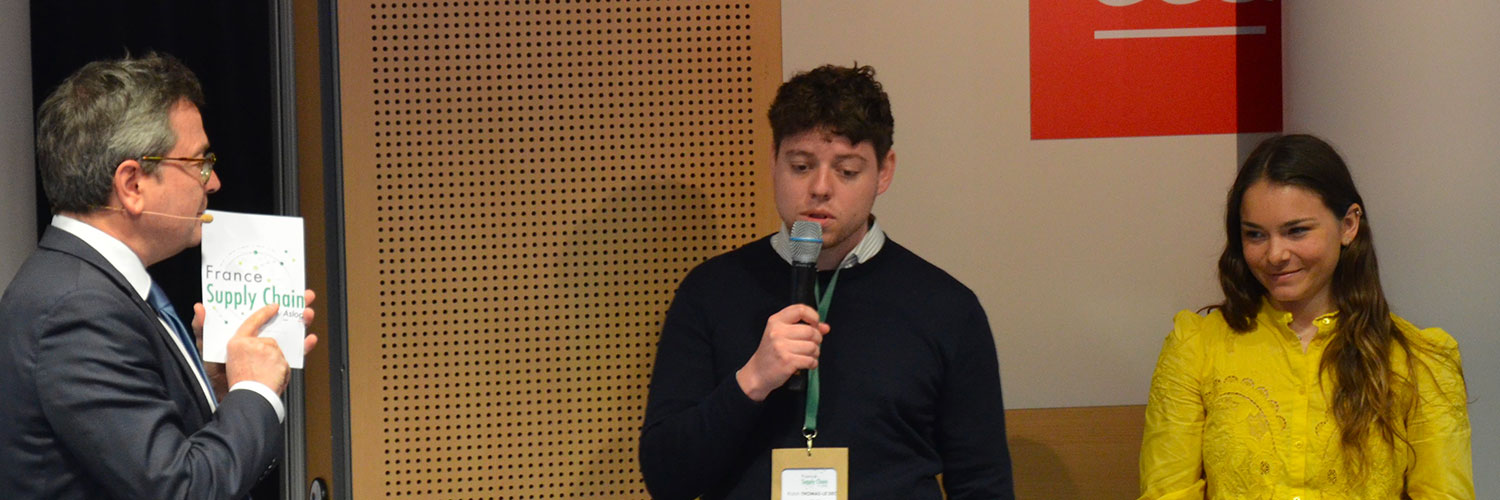
                    A strong message: "Young people are ready to take risks, assume responsibility, and carry out projects with courage and ambition. However, this dynamic cannot be one-sided: the courage of young people must be supported by the commitment of mentors."

                    Emma, Demand Planner - Consumer Product Division L'Oréal and Robin Thomas le Déoré Consultant Operations & Performance Strategy KPMG

                    Emma, Demand Planner - Consumer Product Division L'Oréal and Robin Thomas le Déoré Consultant Operations & Performance Strategy KPMG

                    What about ETIs and SMEs?

                    • Photo by Myriam Bizouard

                      Myriam Bizouard

                      Supply chain director

                      Carniato Logo

                    • Emmanuel Gioux

                      Supplier Performance Development Program Director

                      L'Oréal logo

                    • François Peignes

                      ex Vice President Supply Chain Operations

                    What better way to understand what makes the eSCalade difference than through the experience of a participant in the made-in-France Supply Chain coaching program? Read Myriam Bizouard's account of the site visits, the meetings with members and other participants, and the support provided by a mentor.

                    What did you expect from eSCalade? And who did you find? A participant's testimonial

                    Horizon 2040: The Climate Challenge for Supply Chains

                    In this case: 30 artifacts brought back from the future, for 6 immersive scenarios!

                    With design fiction, participants are immersed in a future that is contextualized, and which can be contextualized to your own sectors and companies. This workshop can be used as part of a collective awakening process, to improve your preparedness for climate risks, or to feed the supply chain strategic plan on risk and resilience aspects.
                    The tool is there, it's usable, it's at your disposal, it's yours!

                    Ask for it

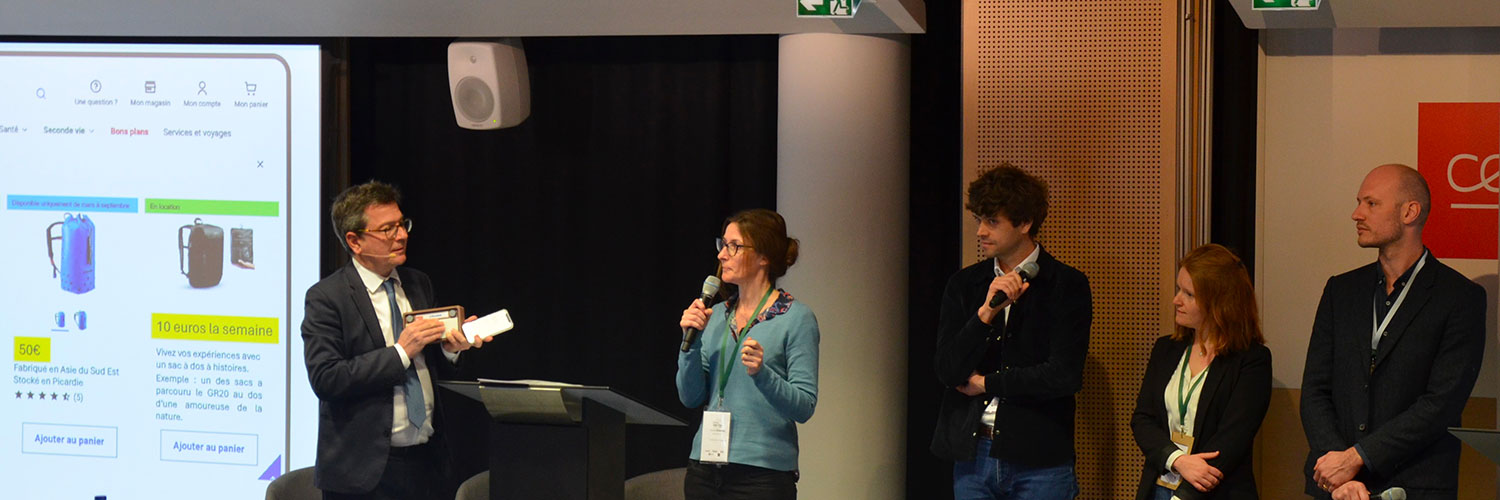
                    Jonathan LECLUZE, Manager Citwell, Alexandra SAMYN, Director of Circular Economy Operations MANUTAN, Aurélie Delemarle, Principal - Argon & Co and Morgan Dizier, Supply Chain Transformation Manager at Louis Vuitton

                    Jonathan LECLUZE, Manager Citwell, Alexandra SAMYN, Director of Circular Economy Operations MANUTAN, Aurélie Delemarle, Principal - Argon & Co and Morgan Dizier, Supply Chain Transformation Manager at Louis Vuitton

                    Live my life as a squad

                    A strong message for the Digital & Techno LAB: no AI without data! With this in mind, during the morning, members presented how their work enables companies to gain in digital maturity, with a focus on data (quality, governance), which has been accentuated in 2025. The CO2 calculation and data component is also fully linked to the pillars of digital maturity and data! Here, the aim is to use data to limit and then reduce the supply chain's carbon footprint.

                    Sébastien Marie, Partner, BearingPoint, Florence Mazaud, Director, Decarbonation, Sightness, Arnaud de Moissac, President, DCbrain and Jérôme Bour, Partner, Newton Vaureal Consulting.

                    Sébastien Marie, Partner, BearingPoint, Florence Mazaud, Director, Decarbonation, Sightness, Arnaud de Moissac, President, DCbrain and Jérôme Bour, Partner, Newton Vaureal Consulting.

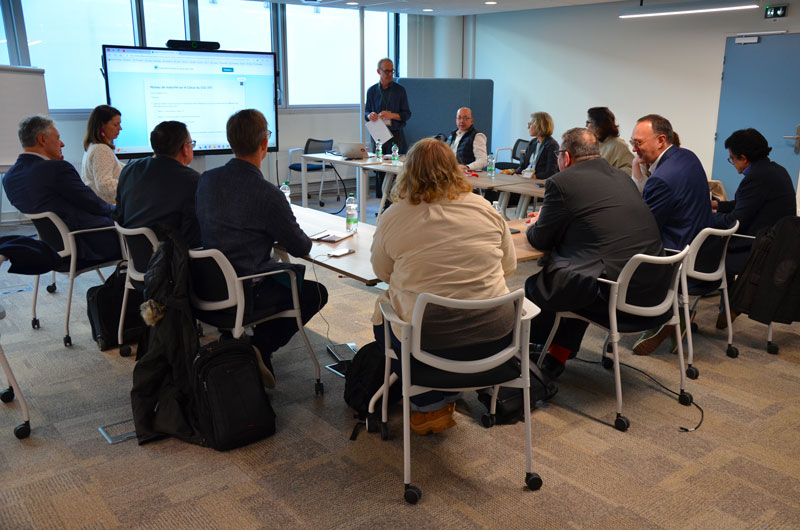
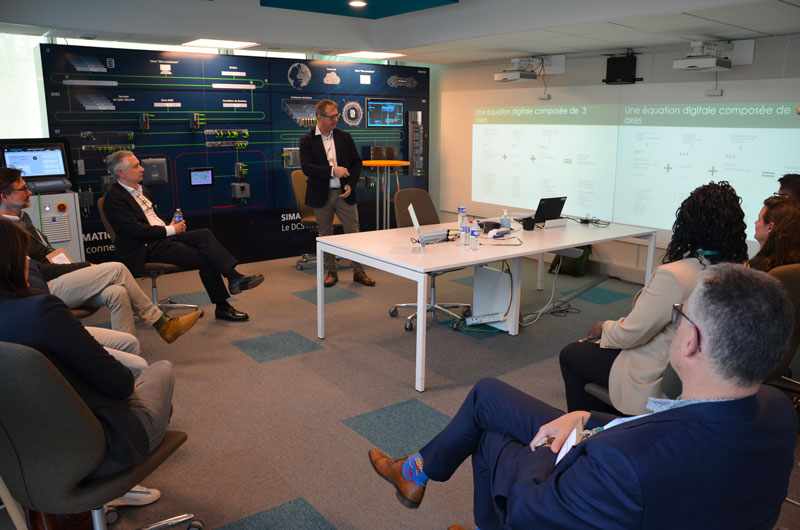
                    In the afternoon, the program was dedicated to digital transformations, with a learning expedition led by members at the Nano-innov center, and hosted by SIEMENS:

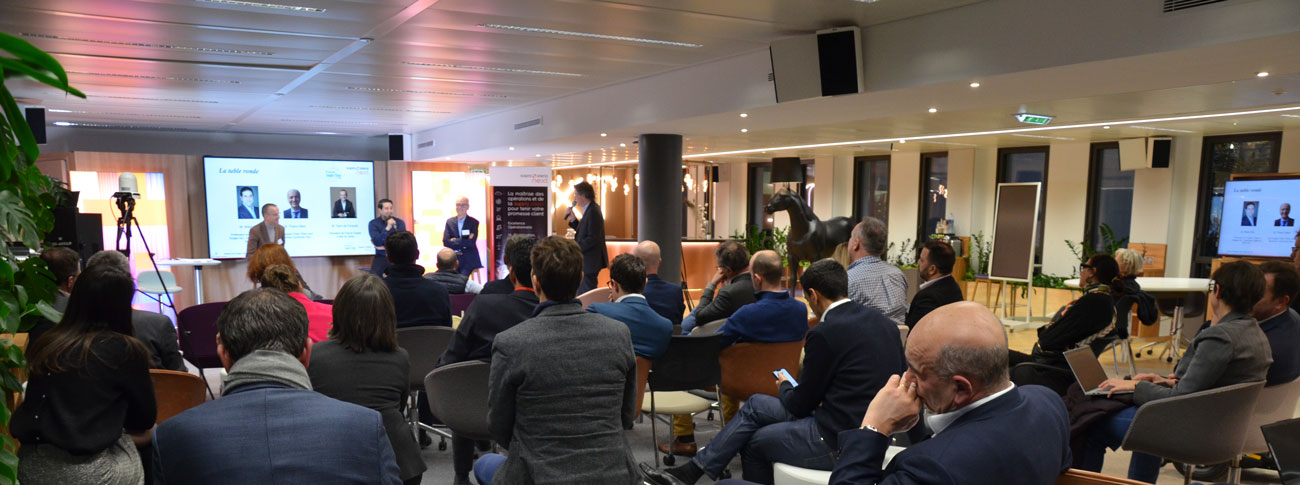
                    • A plenary session on start-ups;

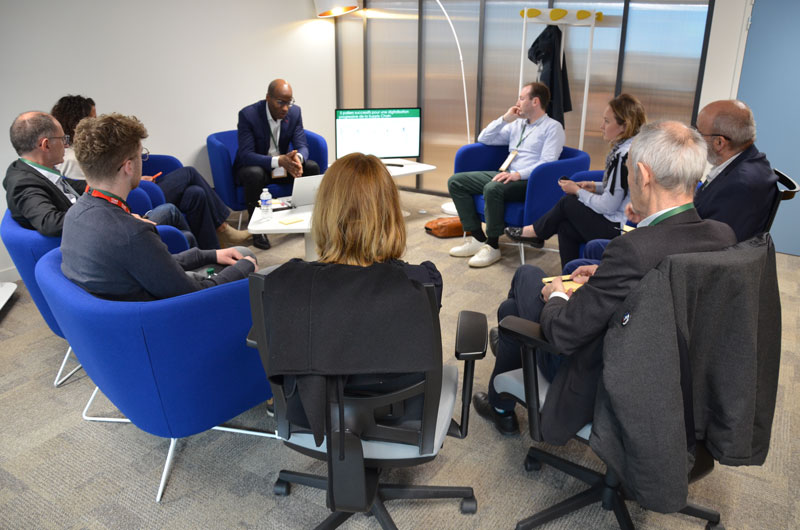
                    • 2 immersive squad sessions on 4 themes:

                    • Maturity grid - Gilles Verdier and Sébastien Marie

                    • Data governance - Saad Kadioui and Sébastien Marie

                    • Digital twin - Thibaud Maurin and Arnaud De Moissac

                    • DataCO2 - Florence Mazaud and Marc Ortlieb

                    • discover the IA FSC demonstrator currently being deployed thanks to our members!

                    • supply-chain-day-2025-01

                    • supply-chain-day-2025-02

                    • supply-chain-day-2025-03

                    • supply-chain-day-2025-04

                    Today, we are at a turning point. What we have already achieved is immense. But what lies ahead is even greater. Every action counts. Every commitment, every transformation brings us closer to our goal. Together, we are building a more efficient, more resilient, more humane model.

                    "Darkness cannot drive out darkness; only light can do that."

                    Dr. Martin Luther King

                    NEWS

                    See all the news


                    EVENTS

                    PRESS

                    Read more

                    Launch of the Supply Chain Resilience Observatory: global vision, concrete actions

                    Yann de Feraudy

                    I think there's a kind of myth behind resilience, and I think that when we got into the subject, we were actually looking for a score, we were looking for a champion, we were looking for the best, and so on. And I remember that we had a few sessions with the COPIL where it was quite tense because, ultimately, what we were looking for were best practices in order to highlight and share them.

                    With these words from Yann de Feraudy, President of France Supply Chain, we opened the evening's presentation of our White Paper: Supply Chain Resilience.

                    With this France Supply Chain/Sopra Steria Next co-publication, what we're interested in is the dynamic that companies are becoming part of. We also wanted to establish indicators of this resilience, because things that are measured are managed! That's why we've decided to build on this initial study to create an observatory of corporate resilience, the first of its kind, with the aim of :

                    • Supply chain risk management

                      Take regular stock of the situation, using an "index" of business resilience

                    • Supply chain risk management

                      Identify best practices

                    • Supply chain risk management

                      Offer feedback and expert advice

                    • Supply chain risk management

                      Provide food for thought with a compendium of outstanding studies and analyses

                    • Supply chain risk management

                      Share this with the supply chain community

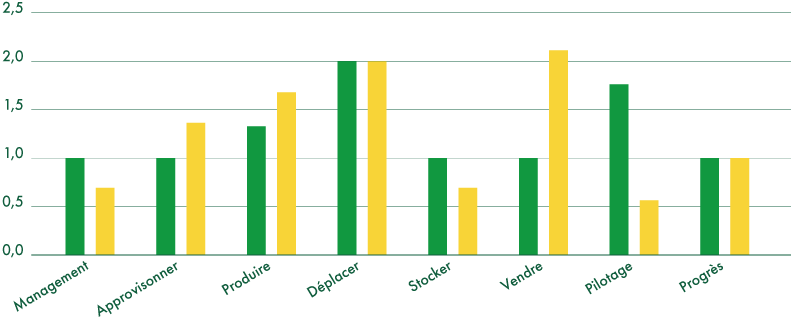
                    The results show that their average supply chain maturity score will be 2.59 in 2025.

                    Assessing company maturity

                    The study is based on well-known supply chain benchmarks, examining planning, purchasing, production and distribution functions, as well as surrounding functions such as information systems and sustainability. "Companies are assessed on a maturity scale of 1 to 4, where 4 represents a competitive advantage. Resilience starts at maturity 3," explains Philippe Armandon, Director of Sopra Steria Next's Industrial Operations and Supply Chain Excellence practice, and leader of the study. Of the 39 companies that responded to the questionnaire, only 26 completed all the maturity questions. This dual approach enables us to obtain a global sample of organizational practices, and a smaller sample for detailed maturity analysis.

                    The results show that the average maturity score is 2.59, with only 6 companies reaching level 3, the threshold at which resilience becomes a strategic lever. The most advanced companies in this field regularly address supply chain issues at COMEX level, demonstrating the importance of integrated governance. As a link to the rest of this article, it is interesting to note that only 10% of companies have visibility over several levels of their supply chain, with complexity increasing significantly with lower-ranking suppliers.

                    Risk versus resilience

                    Before getting down to the nitty-gritty of the discussions, participants wanted to go back over the definition of these 2 terms. "Risk and resilience are notions that are a little different; there's an amalgam between the notions of risk and resilience. The essential distinction lies in the approach taken to events. When it comes to risk, the analysis focuses primarily on the events themselves and the vulnerability they may engender, whether in terms of climate risks, cybersecurity or other threats. This perspective emphasizes the identification and assessment of immediate threats likely to disrupt the business.

                    Resilience, on the other hand, is based on the assessment and strengthening of long-term capabilities. This approach includes in-depth consideration of capabilities in the broadest sense, encompassing planning, production, supply, distribution and communication.

                    Photo by Walid Klibi

                    These two notions are complementary. You have to start with risk analysis, because it provides the basis of vulnerability on which a layer of resilience can be added. And if we want to be truly resilient, there needs to be an alignment between vulnerability and the level of resilience invested.

                     explains Walid Kibli, Research Professor at ISLI KEDGE, associated with MIT. This link ensures proactive, adaptable management in the face of hazards.

                    Assessing company maturity

                    Renault's risk strategy

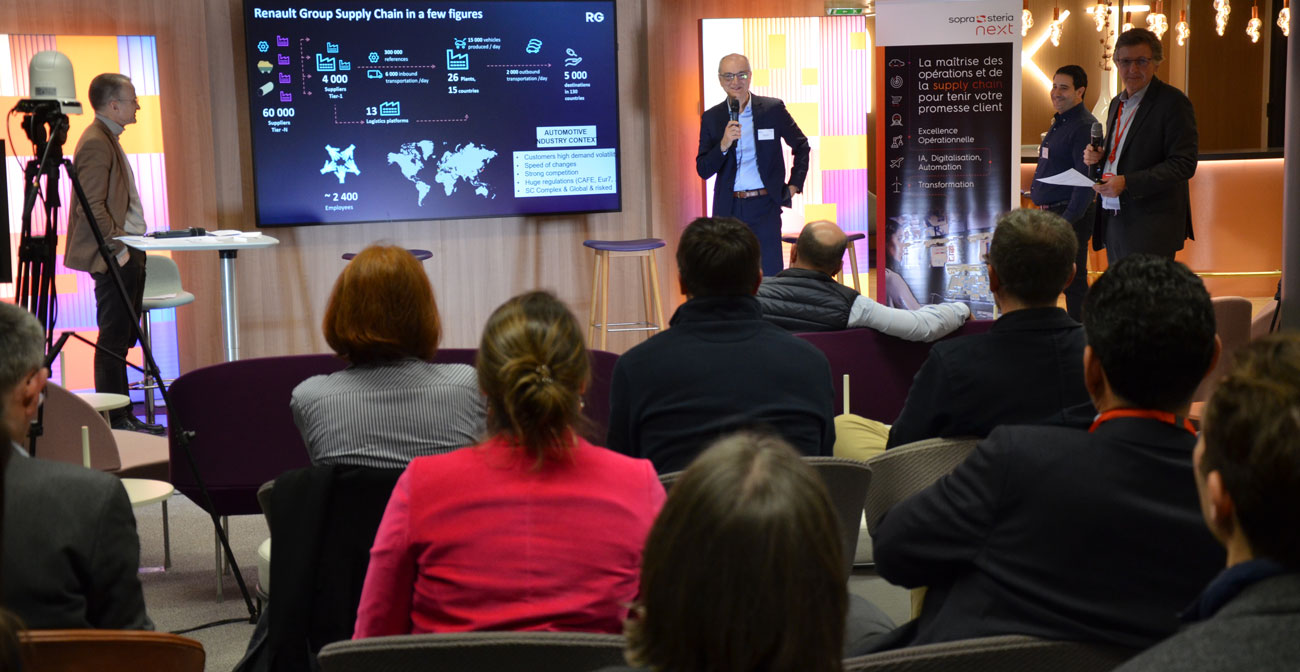
                    Thierry Blein, GM Supply Chain Risks and Business Continuity Plan, began by describing the complexity of Renault's supply chain. Production reaches 15,000 vehicles a day, with each car made up of around 2,000 parts from 4,000 first-tier suppliers. In depth, Renault works with almost 60,000 suppliers. Downstream, 2,000 trucks or ships transport vehicles daily to 5,000 sales outlets in 130 countries. This global, interconnected organization makes exposure to disruptions inevitable: "in 2024, in 7 months, we suffered 10 floods that impacted operations".

                    To strengthen its resilience, the Group has taken some structuring strategic decisions in recent years, notably by attaching the Supply Chain function to the CEO and investing in digitalization. This transformation has enabled us to decompartmentalize data and obtain a global view of supplier risks. Rather than focusing on the probability of risks occurring, Renault assesses their potential impact on the business. A cross-functional team, with a dedicated budget, analyzes vulnerabilities and anticipates crises by monitoring critical suppliers.

                    Renault has also set up a single risk management repository accessible to all stakeholders. This approach makes it possible to identify suppliers with multiple risk factors, and to assess the potential impact on production in the event of disruption. This methodology, focused on business impact, reveals vulnerabilities invisible with traditional probability-based approaches.

                    The complex subject of investing in resilience

                    "When you talk to people in the supply chain, they know what to do: they know where to invest, where to put flexibility, or strategic stocks. But there's a real difficulty in justifying these investments to top management." This observation highlights a fundamental paradox: investing in resilience means allocating resources to prevent events that we hope will never happen. In this context, conventional financial methods, such as return on investment (ROI) or net present value (NPV) analysis, often prove inadequate.

                    An alternative approach is to incorporate option theory, already used in technology sectors such as HP and Boeing. This theoretical framework introduces the principle of "the right and not the duty", offering the possibility of acting without immediate commitment. This method enhances the flexibility of decisions by taking future uncertainties into account. Adopting a logic of options enables companies to take preparatory measures (reservations, pre-actions) that facilitate a rapid response to crises when they occur. This approach reflects dynamic, adaptive risk management.

                    Technology and AI take center stage

                    Technology and AI take center stage

                    The use of digital technologies and artificial intelligence is essential to ensure accurate monitoring of supplier risks and early detection of weak signals, "A massive investment over 3 years has been made to digitize and de-risk our most impacting suppliers". Thanks to digital tools, Renault is able to continuously monitor its entire supply chain and detect the first signs of fragility among its suppliers. For example, AI-based risk management solutions can identify social tensions, environmental problems or financial difficulties that could affect suppliers.

                    Renault relies on two pillars to improve anticipation: visibility and agility. Visibility is based on real-time knowledge of logistics flows, thanks in particular to GPS tracking of trucks and ships. This constant monitoring makes it possible to quickly identify any climatic or logistical risks, and to adapt production forecasts according to recalculated ETAs (Estimated Time of Arrival) versus factory safety stocks. Agility, on the other hand, consists of developing pre-configured scenarios for dealing with disruptions, such as the use of interchangeable parts or alternative suppliers. These scenarios are centralized in a "Control Tower", facilitating real-time operational decision-making.

                    For further reflection

                    • The importance of keeping one's feet on the ground and shortening the decision-making chain

                      Direct coordination of Supply Chain crises is essential to maintain a concrete understanding of risks. Being in the field enables us to quickly identify malfunctions and assess whether better risk mapping would have enabled us to anticipate them. This dual role, both operational and strategic, promotes faster, more effective corrective loops.
                    • The importance of simplifying the supply chain to improve resilience

                      Multiplying suppliers to diversify sources of supply may seem an obvious solution, but it complicates operational management considerably. Without appropriate digital tools, it becomes difficult to locate suppliers precisely and detect signs of failure. Warehouse automation and mechanization also add complexity. Targeted simplification, supported by monitoring and analysis technologies, is essential to ensure lasting resilience, while avoiding the creation of overly cumbersome structures that are difficult to manage.
                    NEWS

                    See all the news


                    EVENTS

                    PRESS
                    To go further

                    Read more

                    The LAB ETI PME opens its one-stop shop and celebrates the first promotion of its support program

                    In 2025, more than ever, time is a decisive factor for small to medium-sized enterprises. The LAB acts as an accelerator for the transformation of SMEs. To support them, LAB members rely in turn on a powerful self-diagnosis of Supply Chain maturity, numerous resources, a large and diversified network and a brand new training and coaching program: eSCalade.

                    The France Supply Chain One-Stop Shop identifies the resources that meet your challenges

                    Are you lost in the hundreds of resources provided by the association? The members of the LAB are now committed to guiding you in order to find the right tools according to your needs. By need, they also mean: according to your maturity and as your transformation progresses.

                    This one-stop shop project is therefore a kind of member-to-member mentoring, designed for those who are not equipped like the large groups and who need to be even more efficient.

                    Prerequisites

                    carry out your free online self-diagnosis in 20 minutes

                    I'm taking the test

                    Comparative diagram between self-diagnosis and full diagnosis

                    Comparison Autodiag vs. Full diag

                    SME 80 employees

                    Autodiag
                    External Diag

                    Self-diagnosis quickly gives results very close to those of a thorough audit

                    With recommendations from your expert peers, you'll know which resources to consult for:

                    • self-train on the new challenges of the Supply Chain;

                    • keep you informed of the latest digital and technological advances;

                    • avoid mistakes in all your transformation projects;

                    • get started with decarbonizing your operations;

                    • but also, find the right people to talk to within the network!

                    The 18 good practice sheets cover the key topics of SCs for ETIs and SMEs

                    To make it easier to get started, we recently published a version that brings together all the fact sheets. Created by members of the Lab ETI PME — with the support of the Lab Digital et Technologies — these summary publications cover the following major themes:

                    • Change

                      Strategy and Steering
                    • picto adjust

                      Cost and flow optimization
                    • picto adjust

                      Quality and customer service
                    • Supply chain risk management

                      Security and Compliance
                    • Artificial intelligence

                      Digitalization and innovation

                    Guide to reading and implementing the fact sheets

                    This guide is an essential resource for companies wishing to strengthen their Supply Chain performance by combining proven methodologies and technological innovations . Please note that access is restricted to FSC members.

                    We have added the last 2 factsheets published by the LAB Digital&Techno on S&OP and AI.

                    Download the new version containing all the files

                    5 SMEs have started their eSCalade, our 6-month support program

                    eSCalade — Together for an agile, lean, attentive, digital, sustainable and efficient Supply Chain — is a program dedicated to ETIs/SMEs. Organized by promotion of 6 to 10 companies maximum, it adapts to their needs according to their maturity and priorities.

                    The first session of promotion #1 took place on January 14 in Paris in the presence of the Supply Chain referents selected by each of the participating structures:

                    • Carniato Logo

                      We bring the excellence of Italian gastronomy to all restaurateurs in France - Wholesaler of Italian wines and food products, and producer of fresh pasta.

                    • Cailabs Logo

                      Design, manufacturing and integration of light shaping systems – Expert in optical satellite ground link (OGS).

                    • Bony Logo

                      Refractory brick manufacturer – From formulation to finished product.

                    • Gris Group Logo

                      High-speed cold metal cutting -
                      Integrated into the heart of mechanisms to secure operation, guarantee clamping and optimize assembly, our parts are invisible but essential.

                    • Oceane Logo

                      Fresh fruit and vegetable market gardening cooperative with more than 60 members.

                    This program includes:
                    • An assessment of the fundamentals completed by the identification of margins for progress
                    • 4 days of training accompanied by a site visit
                    • From intersession monitoring by a sponsor of the association
                    • Access to the benefits of the France Supply Chain community (events, LABS, publications, network, mutual assistance and sharing).
                    The common thread is the construction of a quick wins action plan and its management.

                    Notice to companies in the network and in France: the 2nd promotion will start in June 2025.

                    To find out more about the tools dedicated to ETI SMEs, we invite you to watch the following replay and then contact us !

                    NEWS

                    See all the news


                    EVENTS

                    PRESS
                    To go further

                    Read more

                    Supply Chain Trends 2025: expert insights and recommendations

                    In 2025, the Supply Chain continues to deploy "Logistics 4.0", in reference to Industry 4.0, two of whose main features are automation with the deployment of robotized solutions and prediction orienting a world hitherto highly focused on reactivity towards the era of planning and simulation, all boosted by data and Artificial Intelligence algorithms.

                    Deciphering trends observed by Generix through case studies

                    Artificial Intelligence - AI - and Gen AI are more than ever tools for operational excellence and anticipation, thanks to high-performance prediction algorithms that enable simulation.

                    For their part, optimization calculations based on Operational Research benefit from the power of IT infrastructures, available on demand in the Cloud, to deliver exceptional results in record times, fully compatible with the pace of logistics and transport operations.

                    Let's share some 2025 trends through case studies of the use of these technologies in the supply chain: 

                    Automated systems and robots in the warehouse

                    They are packed with AI and data sensors (IoT - Internet of Things) so that they can reproduce, without ever getting tired or bored, highly repetitive tasks that humans can't perform as reliably over time. Automation, in whatever form, continues to be deployed in warehouses, bringing flexibility and productivity to logistics operations. Robots are becoming better at reproducing human gestures and decision-making processes, are less costly, and are quicker and easier to set up.

                    • Computer vision

                      Here's another technology that, like robots, replaces humans for tedious, repetitive, non-value-added tasks. Examples include inventory counting, or conformity and quality control of incoming goods or shipments. Although not yet widely deployed in logistics, AI-based control is one of the most frequent use cases in industry. It considerably reduces the cost of non-quality and lowers the risk for the company.

                    • Advanced analysis

                      This field aims to cross-reference all available or specifically collected data to understand the phenomena that impact performance. Advanced analysis models are trained to learn appropriate behaviors, then monitor execution data toprovide early warnings of potential deviations by comparing them to a standard. Only AI can monitor this huge volume of data, deduce operational risks in advance, and warn managers in good time to limit the impact of behavioral drift on performance. Currently, analyses use 3D graphical interfaces to represent operations and alerts in the form of HeatMaps. A second phase will involve teaching the models to apply corrective actions themselves, and modifying the parameters of the execution software.

                    • Planning and anticipation

                      Logistics 4.0 also means moving on from the era of hyper-reactivity, which is costly and exhausting for teams, to a mix with planning and anticipation, and thus apprehending the discipline of forecasting. AI algorithms make it possible to predict workload volumes: warehouse receiving or preparation, transport flows. These predictions form the basis of 2 levers for improving logistics and transport performance: planning and simulation. These simulation algorithms, connected to 3D graphic representations and a large number of parameters describing operational constraints, form the basis of the digital twins, which will certainly be implemented on an industrial scale after 2025. In the meantime, they can be used toplan resources, and that's already a great deal, especially in geographies where recruitment and retention are difficult.

                    These are just a few examples of the technologies that will be deployed in 2025 and beyond. We could also mention autonomous vehicles and a number of warehouse operations optimization topics such as slotting, task interleaving, parceling, truck filling and delivery round organization. These are just some of the applications that promise unprecedented efficiency.

                    For its part, GenAI will help to accelerate the development of logisticians' skills, both in terms of their profession and the use of IT solutions.

                    Women in the supply chain discuss artificial intelligence

                    Tips to avoid missing the "train" in 2025

                    But before we all head off to the beach and let AI handle the operation for you, we'd like to add a couple of observations.

                    Artificial intelligence

                    We're seeing a rise in corporate maturity when it comes to AI-related topics, among both users and solution providers.

                    In particular, there is a growing awareness of the need to be organized in order to maintain algorithm performance over time. Machine Learning models must continue to be trained to adapt to behaviors or phenomena unseen in their previous learning phases, at the risk of seeing them "hallucinate", which means they start suggesting anything... really anything. Between model training phases, you also need to monitor a number of indicators to measure the quality of the results delivered by the AI.

                    With GenAI in particular, we have also identified the need to set up data governance and training for people using these tools. This will enable them to make the most of these technologies, to become aware of the ethical issues surrounding data and AI, and to prevent corporate data from ending up freely available on the Internet, or being used free of charge to drive models that could benefit the competition. 

                    Change

                    Faced with the current slowdown or crisis in certain sectors, many companies are seeking to transform themselves, either out of necessity or in anticipation.

                    The digitization of business processes, or digital transformation, is a lever for cash generation and frees up the skills needed to establish and implement corporate strategies. In this way, it contributes to the company's long-term viability. 

                    So, in 2025, let's not wait for the crisis...

                    Isabelle Badoc

                    Product Marketing Director Supply Chain

                    NEWS

                    See all the news


                    EVENTS

                    PRESS

                    Read more

                    Le Temps des RISC - Rencontres Internationales de la Supply Chain : Un Retour Triomphal

                    • opening-risc-philippe-dessertine

                    • public-risc

                    • networking-risc

                    • member-risc

                    • keynote-paola-fabiani

                    • rassemblement-risc-01

                    • rassemblement-risc-02

                    Congress highlights: Philippe Dessertine's grandiose opening; the inspiring keynote by Paola Fabiani, Founding President (Wisecom), Vice-president in charge of entrepreneurship and spokesperson for Medef Nation; our sponsors Generix, EOL and Hardis Group for moments of conviviality. Photo credit: Nathalie Vergès photographie.

                    The stakes at RISC were on an unprecedented scale. The world of the supply chain is in a state of flux, and it was in the midst of this whirlwind that the 23 speakers and 24 pitches shared their experience and vision. While climate change and sustainability emerged as key themes for discussion, it was also an opportunity to discover new approaches to collaboration between companies and institutions, and to envisage more responsible business models.

                    The return of RISC, with over 300 participants over the course of the day, was an opportunity to redefine the new priorities of companies.

                    Circularity: scaling up the performance of new business models

                    • round-table-risc-circularite-03

                    • round-table-risc-circularite-02

                    • round-table-risc-circularite-01

                    Emmanuel Ladent CEO (Carbios), Anaïs Leblanc, Executive Partner (Citwell), Emmanuel Bonnet Vice-President Sales and Development, France (GXO), Anne James, Circular Economy Leader (Schneider Electric France). Photo credit: Nathalie Vergès photographie.

                    One of the major themes of the day was the presentation of the Circular Supply Chain as a central lever in the transition to a sustainable economy. Anaïs Leblanc, partner at Citwell, spoke about the major challenges of this transformation: "How can we succeed in making products last, how can we maximize the use of existing resources, and how can we minimize waste? "

                    In this dynamic, companies are called upon to innovate on several fronts. It's not just a question of recycling, but also of rethinking the way products are manufactured, transported, stored and consumed. For example, Carbios, a pioneering biorecycling company, presented its revolutionary process using enzymes to break down PET and create a material that can be recycled up to 10 times over.

                    The revolution doesn't stop there, with some pioneers even getting ahead of regulations and the market. Companies like Schneider Electric shared their experiences. The message is clear: the transformation to a circular supply chain is as much an economic challenge as an ecological one. It is not only an investment in the future, but also a competitive lever in a world that is increasingly demanding in terms of sustainability.

                    A circular economy cannot do without strong logistical expertise, relocation and local collaboration.


                    Emmanuel Bonnet, Vice President, Sales and Development, GXO

                    Request the Methodological Guide to a Circular Supply Chain

                    Produce, Transport, Store Less and Better: New Opportunities

                    Transforming production, transport and storage models requires a careful balance between optimizing resources, adopting innovative technologies and adapting to social and environmental requirements. It's not just a question of making the supply chain greener, but also of making it more efficient and more resilient in the face of today's economic challenges.

                    Energy Management: new opportunities

                    Mathieu Boyer Head of Market Intelligence (SprintProject), Benoît Meunier Product Marketing Manager (Toyota Material Handling), Tariel Chamerois CSR & Sustainability Manager France & Morocco (DB Schenker). photo credit: Nathalie Vergès photographie.

                    Energy transition and the decarbonization of processes were central to this debate. Speakers shared their experience of :

                    • Renewable energies, notably through the use of battery storage and the integration of green energy solutions into supply chains. For example, intelligent energy management in warehouses and the implementation of local storage systems have been presented as solutions that both reduce energy costs and limit greenhouse gas emissions. 

                    • The integration of green energy solutions into supply chains. For example, intelligent energy management in warehouses or the implementation of local storage systems were presented as solutions that both reduce energy costs and limit greenhouse gas emissions.

                    • Artificial intelligence (AI) as a strategic tool for optimizing logistics flows, predicting storage requirements, and avoiding excess inventory, while minimizing waste. AI enables us to better understand consumption dynamics and anticipate needs accurately and proactively.

                    • The challenges of managing critical resources, particularly rare metals. Discussions focused on the reuse and recycling of materials, as well as new energy models such as second-life batteries, which reuse end-of-life vehicle batteries for energy storage in industrial facilities.

                    The Inspiring Story of the Reconstruction of Notre-Dame: The Model of a Supply Chain that Traverses Time

                    This event, which marks the end of five years of work following the fire in 2019, was a perfect example of complex logistical collaboration, where every detail counted to meet the deadlines and exceptional quality standards expected for the restoration of the historic monument. But what made this approach so original was the use of the river to transport over 200 tonnes of materials needed for the reconstruction.
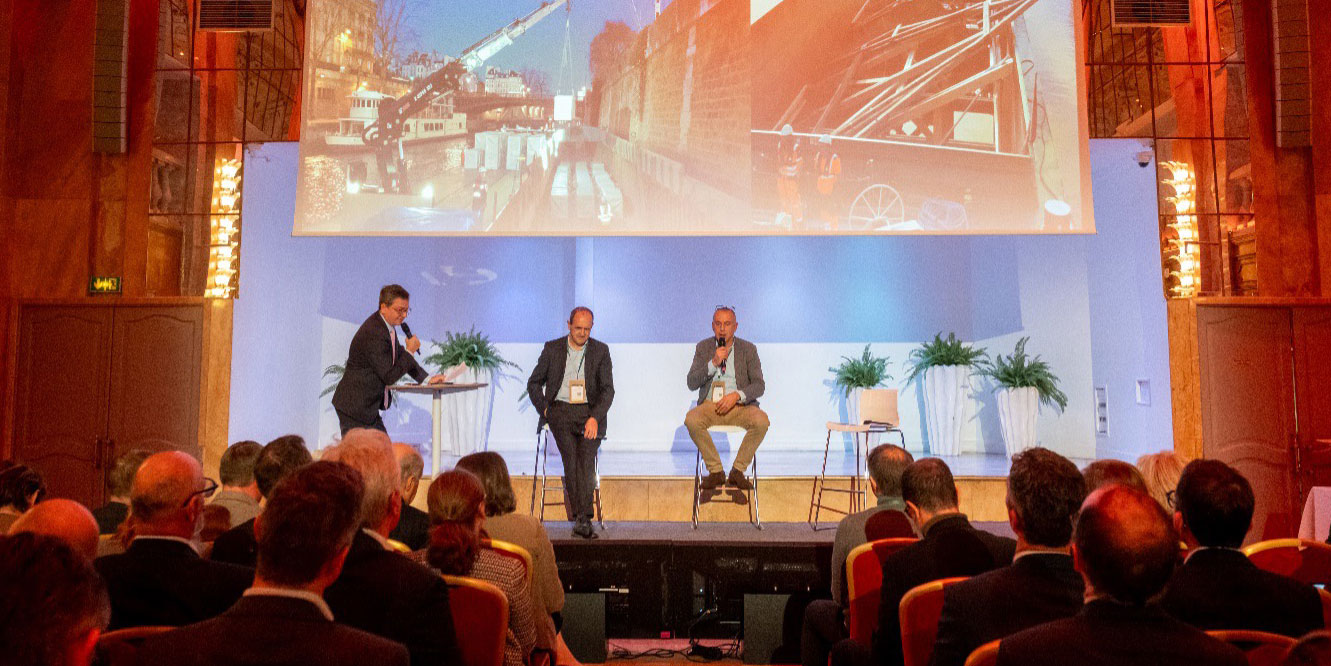
                    The story of Notre Dame's reconstruction by the Seine

                    Bertrand Neveux, Freight Development Manager (VNF Bassin de la Seine et Loire aval), Gilles Peyrot, Multimodal Project Manager (Sogestran). photo credit: Nathalie Vergès photographie.

                    The choice of transporting materials such as ashlar, lime, wood and carpentry via the Seine has helped limit noise and environmental pollution.

                    This was an innovative approach, because although the Seine has always played a major role in the history of Paris construction, this type of logistics solution had never been used on such a large scale for a site of this importance. The experts involved in river logistics testified to the complexity of the project, which required a number of technical adjustments, including the installation of remote storage barges to manage materials prior to delivery to the site.

                    The river network, largely under-exploited in terms of freight transport, has demonstrated its potential by offering a viable, faster and less polluting alternative to overland transport.

                    Exploration, inspiration and solutions for the future: a look back at the association's LAB Digital and Technologies booths

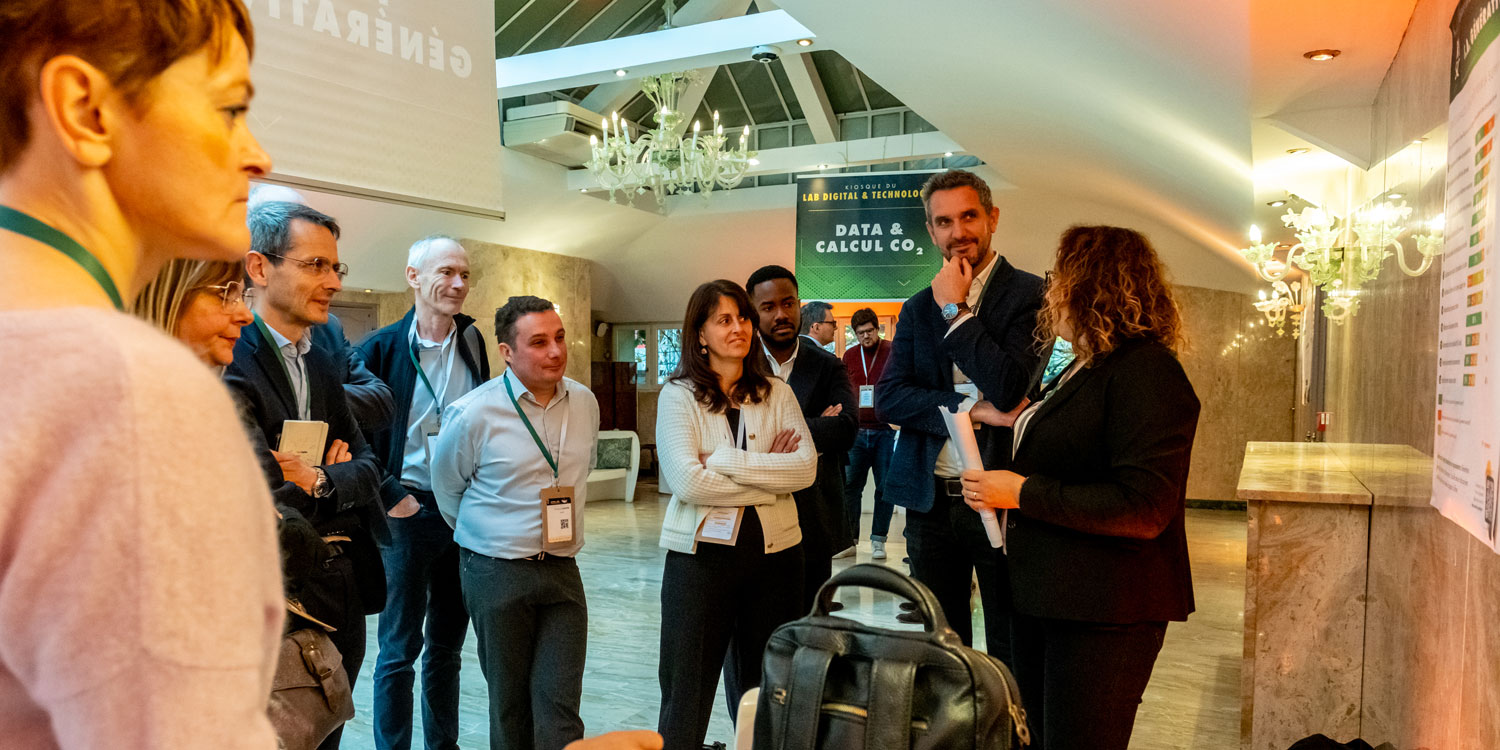
                    In interactive sessions called "kiosks", participants had the opportunity to explore key themes using concrete tools and feedback from LAB members. This forum forexchange and inspiration highlighted a number of strategic areas, and here are some of the key findings.

                    • risc-kiosque-lab-digital-03

                    • risc-kiosque-lab-digital-01

                    • risc-kiosque-lab-digital-02

                    Kiosks with Alexandre LIMA, Arnaud DE MOISSAC, Assâad MOUMEN, Bruno LAWSON, Delphine CUVELLIER, Étienne TOURNIER, Geoffrey GABELLE, Gilles VERDIER, Ivan BATURONE, Jean-David ATTAL, Jérôme BOUR, Julia SHARKO, Karine LOUARN, Ludovic MENDES, Marc BRUNETEAU, Maxime AUBRY, Nathalie FABBE COSTES, Nicolas CHELIUS, Olivier WEIS, Sébastien MARIE, Sophie VINCENT, Vincent HOULLIERE. Photo credit: Nathalie Vergès photographie.

                    • I.A. Generative: tools for every purpose

                      Discussions focused on identifying the right models and platforms for each use case. Three key points emerged:

                      1. Test and launch quickly, because technologies evolve at high speed.
                      2. Focus on relevant use cases to address specific issues.
                      3. Launch projects on defined perimeters, demonstrate their value, then scale up.
                    • Intralogistics: mechanization and robotization on the horizon

                      Mechanization, automation and robotization were discussed from several angles:

                      1. How do you design an intralogistics project?
                      2. What technologies can we anticipate for the future?
                      3. How can these projects be financed, and what are the best ways to acquire them?
                    • S&OP: data and technology for decision-making

                      The resurgence of Sales & Operations Planning (S&OP) highlights three key areas:

                      1. Establish a cross-functional, iterative decision-making process based on solid data.
                      2. Understand current disruptions (technologies & data, uncertainties of the VUCA world, new business models).
                      3. Rely on communication and a collegial approach to boost efficiency.
                    • Calculating and reducingCO2 emissions: a responsible supply chain

                      The analysis of emissions at each link in the chain is based on a comprehensive approach, inspired by the SCOR model:

                      1. Demonstrate that carbon is not limited to transport, thanks to an end-to-end approach.
                      2. Decarbonizing is accessible to everyone, whatever their level of maturity.
                      3. Sharing concrete levers for progress and accelerating emissions reductions.
                    • Digital maturity grid: steps to controlled digitalization

                      To move up the five levels of digitization, the recommendations focused on :

                      1. Define the company's transformation potential.
                      2. Adopt an incremental approach, structured in five stages.
                      3. Progress in a balanced way, integrating data, human and technological dimensions.
                    • Traceability: successful implementation with a strategic vision

                      The Internet of Things (IoT) opens up new possibilities for traceability, but its adoption requires a clear strategy:

                      1. The IoT is just one technology among many for tracing flows.
                      2. It's essential to define your objectives precisely before getting started.
                      3. Integrate traceability issues into global strategy and connect decision-making systems to fully exploit data.

                    Discover the tools and guides produced by the Squads

                    Capitalizing on talent and integrating skills evolution

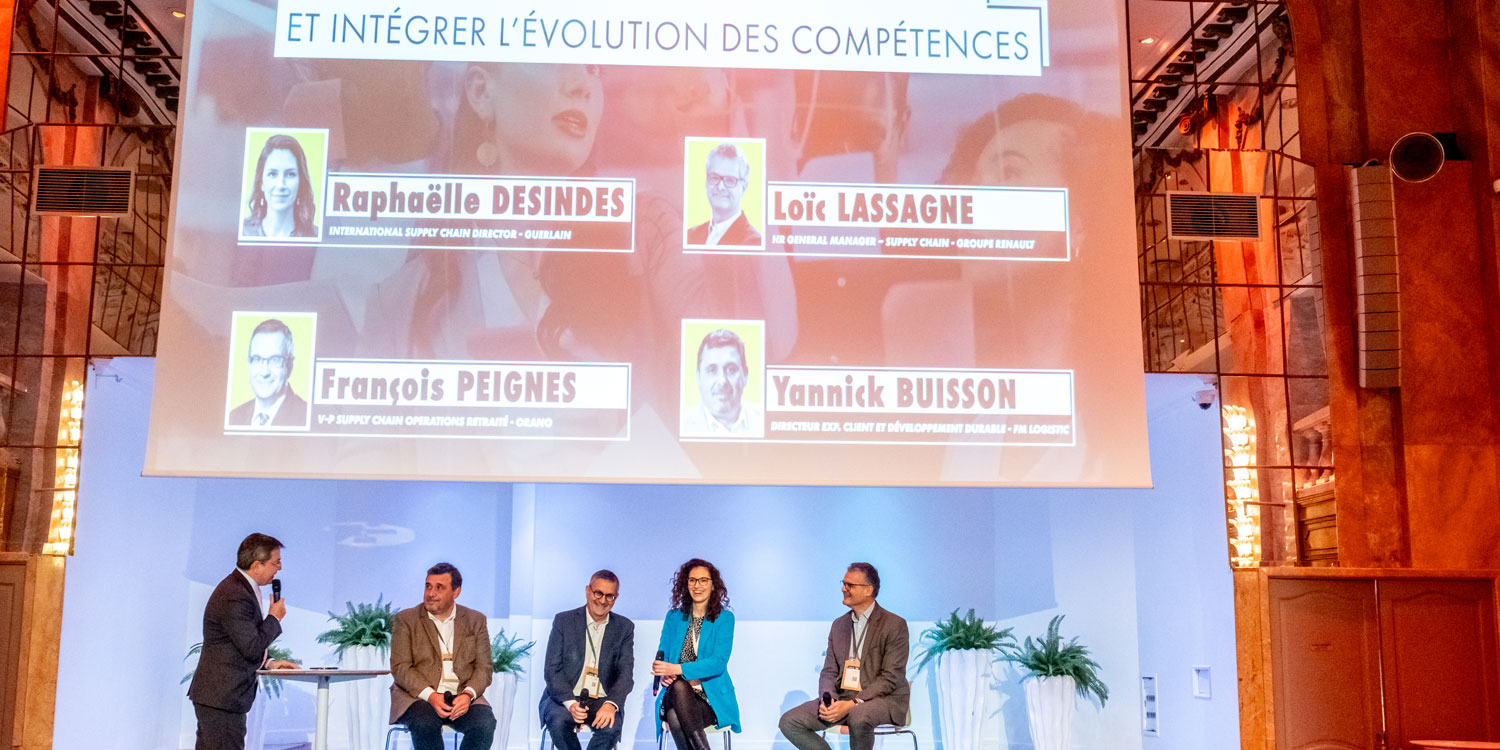
                    During this 3e round table, our 4 guests explored with the audience how to attract, retain and develop talent in an ecosystem undergoing rapid digital and environmental transformation.

                    Today's companies need to develop training and attractiveness strategies adapted, not least to bridge the generational gap that could arise with the growing mastery of digital tools like ChatGPT among new generations.

                    The success of these new HR strategies depends on inclusive team management that :

                    • involves all employees, regardless of age or hierarchical level;

                    • meets their need for meaning;

                    • focuses on self-training anddigital upskilling;

                    • is based as much on transmission as on experience in the field;

                    • promotes its role as asocial elevator;

                    • works on its employer brand.

                    • potentiate-talents-02

                    • potentiate-talents-01

                    • potentiate-talents-03

                    Raphaëlle DESINDES International Supply Chain Director - Guerlain; Loïc Lassagne in charge of supply chain HR - Groupe Renault; François Peignés, Vice President Supply Chain Operations - ORANO, until 2023 author of "COMPAGNIE, comprendre et développer le capital humain des grandes entreprises industrielles"; Yannick Buisson Customer Experience and Sustainable Development Director - FM Logistic. photo credit: Nathalie Vergès photographie.

                    Another point discussed was the upgrading the Supply Chain functionAlthough historically seen as a secondary concern, it is now a strategic component of the company, with a strong presence on management committees. To attract talent, it's important to showcase the diversity of our professions and career paths, notably through programs such as the graduate program, which enables young people to discover different positions (plant, field, corporate, sales) and develop a comprehensive vision of our professions.

                    Artificial intelligence (AI) is also a strategic lever, provided we can demonstrate that it can generate value for our businesses, by facilitating decision-making, and not a threat to jobs.
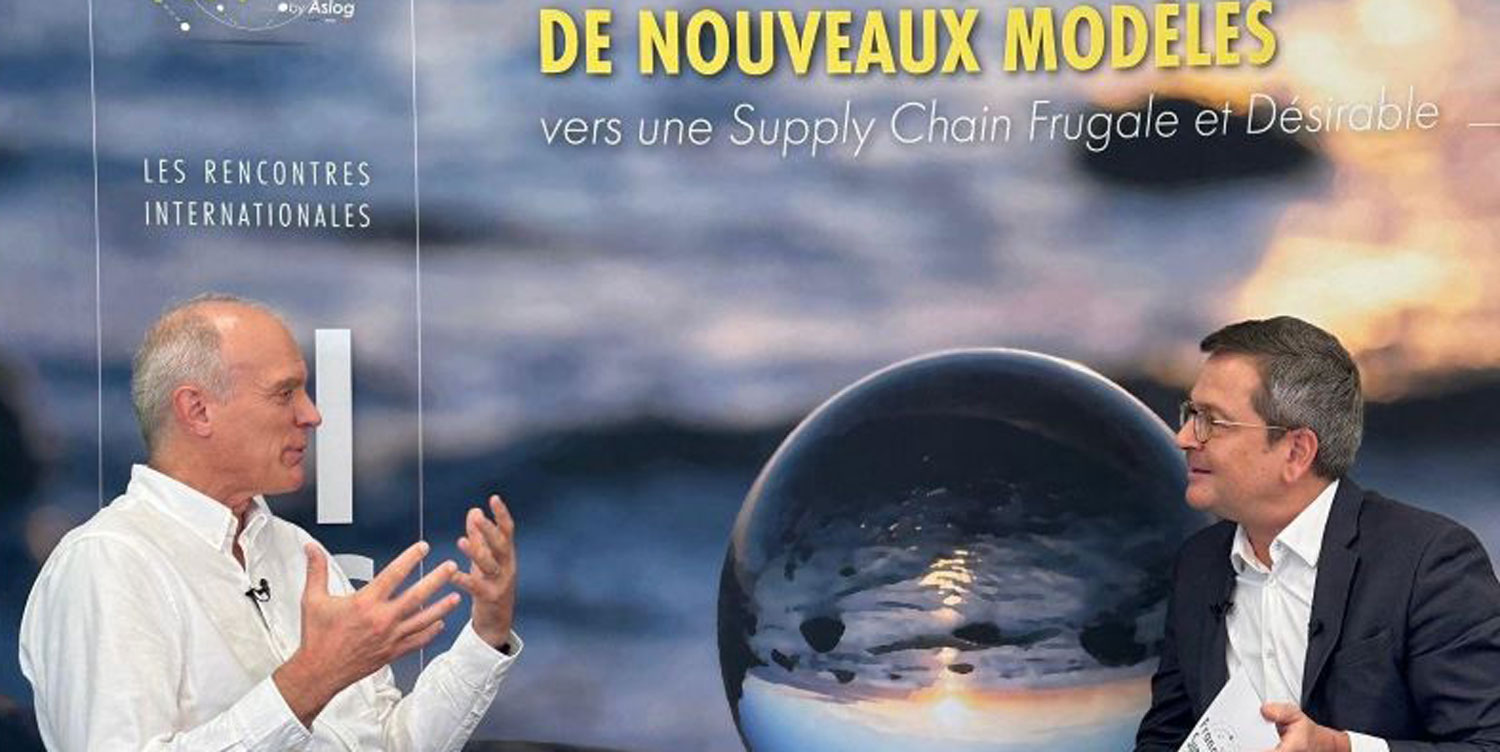
                    Dialogue with Florent Menegaux

                    Interview by Fabrice Lundy

                    Going further

                    with an interview with Florent Menegaux, President of the Michelin Group, who talks about his approach to social innovation.

                    Discover

                    The emergence of a French bike ecosystem for freight transport

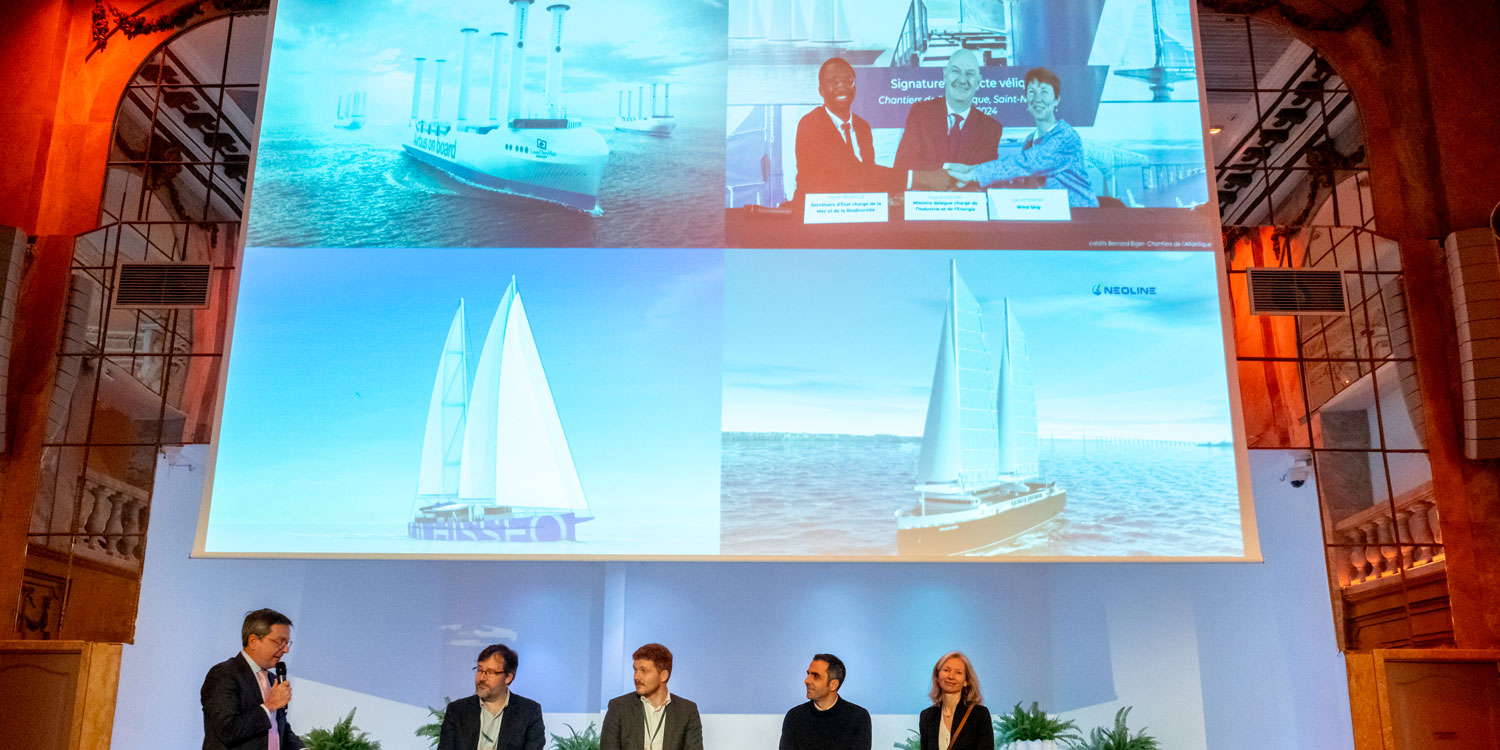
                    With 70% of the world's freight transported by sea, cargo sailboats are emerging as a promising solution for drastically reducing carbon footprints. France boasts historic expertise in shipbuilding and an innovative ecosystem supported by proactive public policies such as the Pacte Vélique.

                    Among the key players redefining maritime transport:

                    • Hisseo logo

                      Cargo sailboat reducing CO₂ emissions by up to 90%.

                    • Neoline logo

                      Vegetable propulsion covering 60-70% of energy needs.

                    • Louis Dreyfus Armateurs logo

                      Integrates active sails, rigid wings and kites for a variety of needs.

                    • Logo Zéphyr & Borée

                      A pioneer in modern sail-powered shipping, we design sail-powered merchant ships that use alternative fuels to fossil fuels.

                    The International Maritime Organization has set a target of reducing CO2 emissions by 50% by 2050. This is the context of the Shipper Coalition for a Low Carbon Maritime Transport (SCLCMT), a France Supply Chain - AUTF co-association in which shipper members collaborate to develop non-standard ships (-50% CO2 emissions vs. conventional transport).

                    The start-up Zéphyr & Borée has been selected by this coalition of diverse companies to build the first container ships powered mainly by sail to make weekly North Atlantic crossings by 2028.

                    • round-table-shipper-coalition-01

                    • round-table-shipper-coalition-05

                    • round-table-shipper-coalition-04

                    • round-table-shipper-coalition-03

                    • round-table-shipper-coalition-02

                    Nils Joyeux Co-founder and President (Zéphyr&Borée), Alain Goll Sustainability & Transformation Leader International Supply Chain Adeo Services and General Secretary of the SCLCMT, Simon Watin Managing Director of VPLP design and Vice-President of the Wind Ship Association, Djamina Houdet Caseneuve President (Hisseo), Jean Zanuttini President (Neoline), Thibault Droguet Project Manager (Louis Dreyfus Armateurs). photo credit: Nathalie Vergès photographie.

                    The Paris Olympics: a masterful supply chain and exemplary collaboration

                    Delivering the Olympic and Paralympic Games on an exceptional scale, against all the odds, was a challenge that Paris 2024 rose to with flying colors. Anthony Piqueras, Director of Venues and Infrastructure, embodies this success thanks to rigorous planning and a strategic vision that began with the bid over ten years ago.

                    The ambition? To use the Games as a lever to enhance France's heritage, while meeting the needs of the regions concerned, without superfluous expenditure. Versailles and the Place de la Concorde were transformed into spectacular settings, while the model was based on existing infrastructures and sustainable resource management.

                    Collaboration and Orchestration at the heart of the success of JOP2024

                    Anthony Piqueras, Director of Venues and Infrastructure at Paris 2024 Olympic and Paralympic Organising Committee (Paris 2024)

                    This strategy also included emblematic initiatives such as the integration of the public transport network and the use of sites throughout France, including Lille, where one million tickets were sold.

                    The logistical challenges were just as ambitious, with titanic objectives such as coordinating 240,000 temporary grandstand seats, transporting materials and managing the massive flow of visitors. Paris 2024 met these challenges thanks to a flawless methodology combining intelligent sourcing, strategic calls for tender, pooling of resources on a national and European scale, and meticulous planning in conjunction with service providers and local authorities.

                    This collaborative effort culminated in a harmonious partnership between private companies, public infrastructures and local players, guaranteeing exemplary operational fluidity. What made the difference? A collective mobilization which, from the spring onwards, generated a decisive trigger, propelling the Games towards success on both technical and human levels.

                    This return of RISC, both a source of inspiration and a catalyst of ideas, resulted in an event with a rich and varied content, offering a complete panorama of contemporary challenges and innovative solutions for a more efficient and responsible Supply Chain. The Supply Chain will be resolutely circular and frugal, and therefore decarbonized, while relying on people and the construction of collaborative ecosystems.

                    Companies that adopt these new models

                    will play a key role in a sustainable and desirable future

                    • temps-forts-risc-2024-01

                    • temps-forts-risc-2024-06

                    • temps-forts-risc-2024-02

                    • temps-forts-risc-2024-04

                    • temps-forts-risc-2024-05

                    • temps-forts-risc-2024-03

                    Congress highlights : Fabrice Lundy master of ceremonies, Raphaëlle Desindes, Stéphanie Rott, Valérie Macrez, Yannick Buisson, Arnaud de Moissac, Yann de Feraudy President of France Supply Chain, Jean-Christophe Machet, Mohammed Marfouk, Bertrand Neyret, François-Martin Festa, Ivan Baturone, Aime-Frederic Rosenzweig, Loïc Lassagne, Henri de La Gravière, Lionel Benezech, Marie-Laure Furgala, Blandine Ageron, Madeleine Deby, Françoise Lieuré

                    NEWS

                    See all the news


                    EVENTS

                    PRESS

                    Read more

                    France Supply Chain by Aslog awards the Prix Féminin du Meilleur Mémoire en Supply Chain to Maureen Poullié for her research on responsible purchasing

                    The award, presented by France Supply Chain's Communauté des Femmes en Supply Chain, recognizes outstanding research into the impact of responsible labels on purchasing practices. The award recognizes the academic excellence of the students and highlights their commitment to a more inclusive and sustainable Supply Chain. In her Master 2 thesis, Maureen Poullié, a student at Excelia Business School, demonstrates how such a label can be both a guide and a unifying tool for transforming corporate purchasing practices.

                    Impact of Responsible Labels on Purchasing Practices

                    Photo by Maureen Poullie

                    Maureen Poullié's professional thesis focuses on how a responsible label can transform a company's purchasing practices towards a more sustainable approach. Through a case study of an aeronautical company that has held the RFAR (Label Relations Fournisseurs et Achats Responsables) label since 2022, she demonstrates how a label can act as a guide, guarantor, federator and differentiation tool. Based on semi-directive interviews and participant observation, the study highlights the importance of a collaborative commitment and appropriate management methods to make this transition a success.

                    Challenges and recommendations for companies

                    Through her research, the prizewinner offers concrete recommendations to companies wishing to embark on a labeling process for more responsible purchasing. She stresses the importance of choosing the right label for the company's objectives, training and informing teams, and promoting a shared vision of the labeling project. This advice aims to facilitate the transition of purchasing practices towards more sustainable models, by aligning corporate values with current societal expectations.

                    Origin of the Prize and Objectives of the Community of Women in Supply Chain

                    Created just over a year ago, France Supply Chain's Communauté des Femmes en Supply Chain aims to encourage mutual support, promote the sharing of professional knowledge and raise the profile of women in this field. Led by Marie-Laure Furgala (Director of ISLI at Kedge Business School and member of the COMEX of France Supply Chain), this initiative brings together some twenty women Supply Chain professionals around concrete actions such as inspiring webinars and career development tools. With this in mind, the Prix Féminin de la Meilleure Thèse aims to encourage young women to invest in future-oriented topics for the sector.


                    About France Supply Chain

                    The FRANCE SUPPLY CHAIN BY Aslog community works to strengthen the impact of the Supply Chain on corporate competitiveness, and to make it a lever for a more sustainable world. The association brings together 450 French and international companies of all sizes and in all business sectors, as well as Grandes Ecoles and training organizations. This 5,000-strong network of professionals, lecturers and students pools ideas and experience to deliver concrete solutions to supply chain players.

                    Press contact: Elorri Thicoïpé - Communications Manager
                    elorri@francesupplychain.org
                    06 21 28 82 74

                    Boost the digital maturity of your supply chain: steps and levers to achieve it

                    • Is AI the solution to all Supply Chain challenges?
                    • Why is digitalization so important in our businesses?

                    In a fast-moving, uncertain world, we face a number of supply chain challenges. Digitization is one of the major levers identified for successfully transforming our Supply Chains. Another reason to embrace the subject: those who are the most mature will be able to turn it into a competitive advantage.

                    In this video, you'll find out how it's done, based on our grid. The chapters that interest you most are directly accessible and visible in the timeline:

                    • 00:00:00 the genesis and benefits of the approach
                    • 00:02:03 The 5 stages of progressive supply chain digitization
                    • 00:06:13 the 3 axes that define your digital maturity
                    • 00:09:00 Digital twins, process mining and other data-driven approaches: where do supply chains stand?
                    • 00:11:35 Testimonial on the implementation of the grid: the case of the bonded warehouse
                    • 00:15:16 Questions/Answers and now how do we move forward?
                    • 00:18:08 Questions / Answers What level of digital expertise do you need to use the grid?
                    • 00:19 :17 Questions / Answers Is the ultimate level for bonded warehousing accessible?
                    • 00:22: 25 Things to remember and next steps

                    With
                    • Yann de Feraudy

                      Sébastien MARIE

                      Partner

                    • Yann de Feraudy

                      Delphine CUVELLIER

                      Customs Manager France

                    • Yann de Feraudy

                      Gilles VERDIER

                      Innovation leader Supply Chain

                    This work will also enable you to

                    make the case for the investments you need to transform your business!

                    In the coming weeks, keep an eye out for upcoming LAB publications directly related to this work (SQUADs Generative AI, S&OP, data and CO2 emissions calculation), and look out for the team at RISC(Rencontres Internationales de la Supply Chain) on December 5 in Paris, where we'll be manning a booth dedicated to Digital Maturity, where you can chat with participants.

                    NEWS

                    See all the news


                    EVENTS

                    PRESS
                    To go further

                    Read more