Article filter: Resilience & Competitiveness

Le Temps des RISC - Rencontres Internationales de la Supply Chain : Un Retour Triomphal

  • opening-risc-philippe-dessertine

  • public-risc

  • networking-risc

  • member-risc

  • keynote-paola-fabiani

  • rassemblement-risc-01

  • rassemblement-risc-02

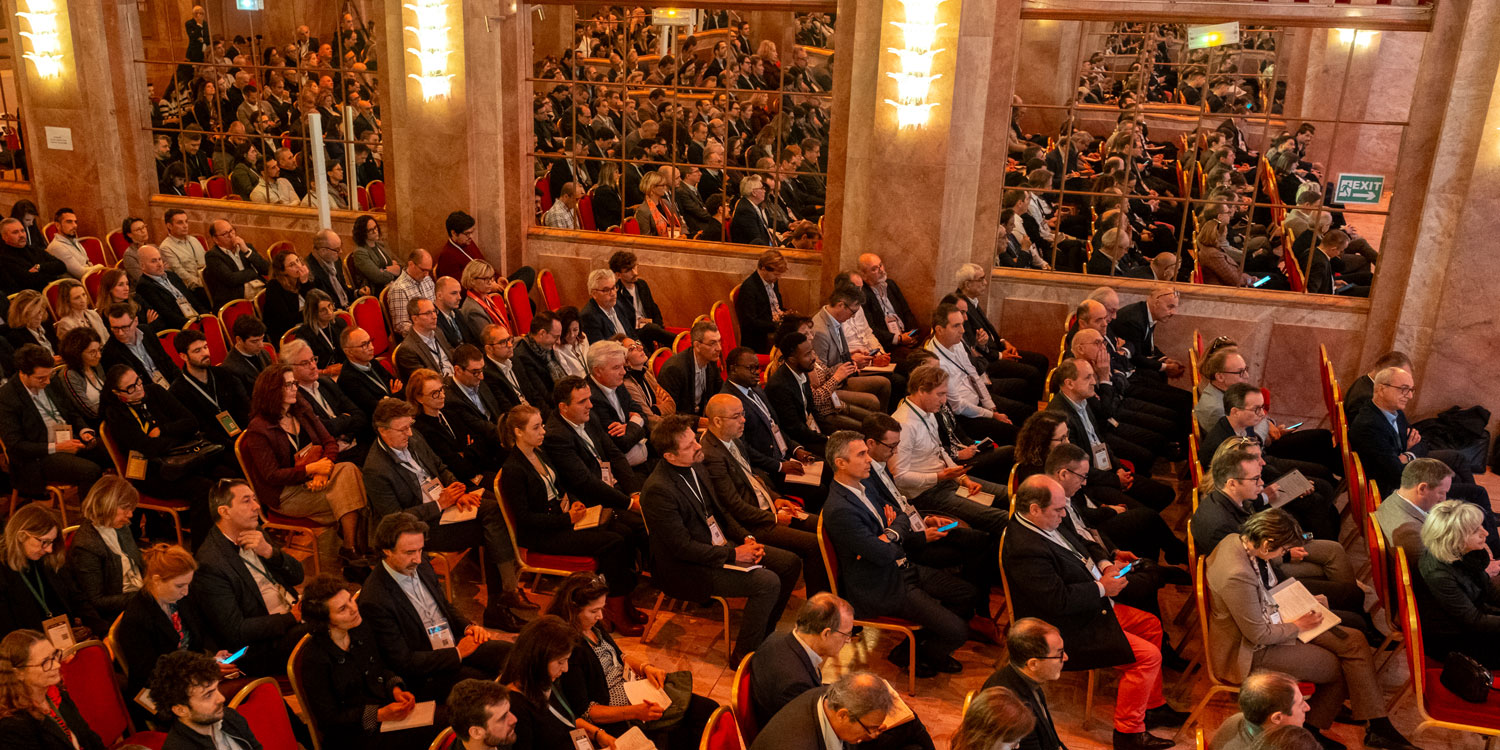
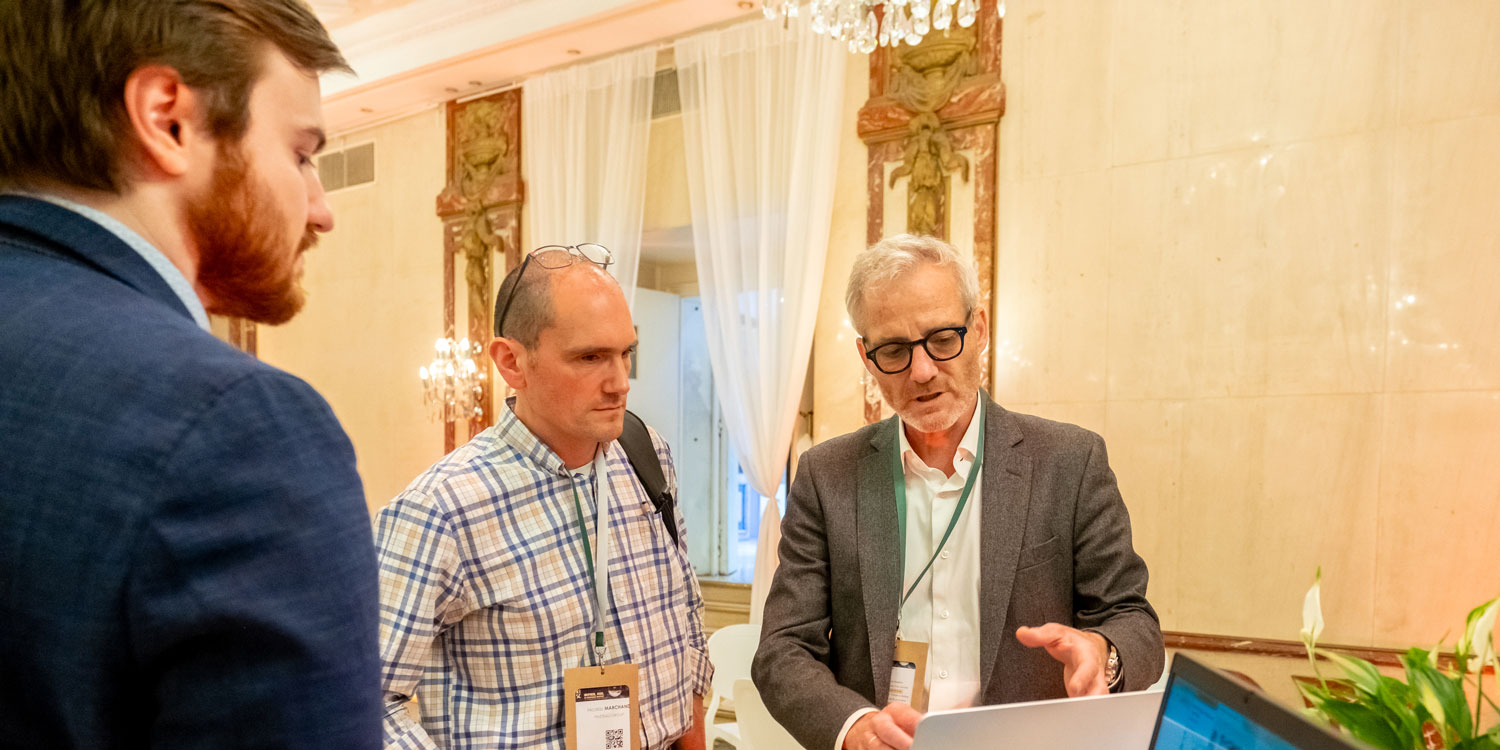
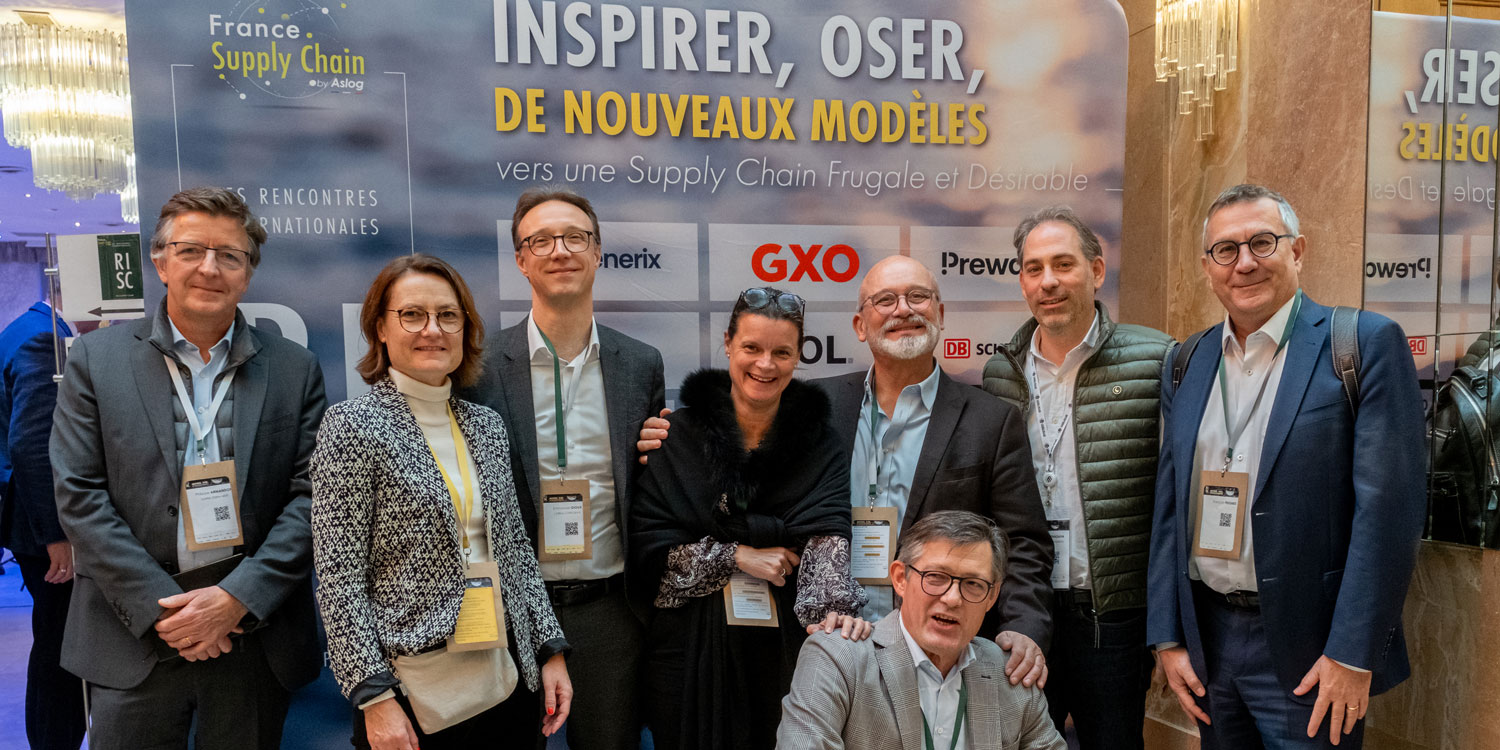
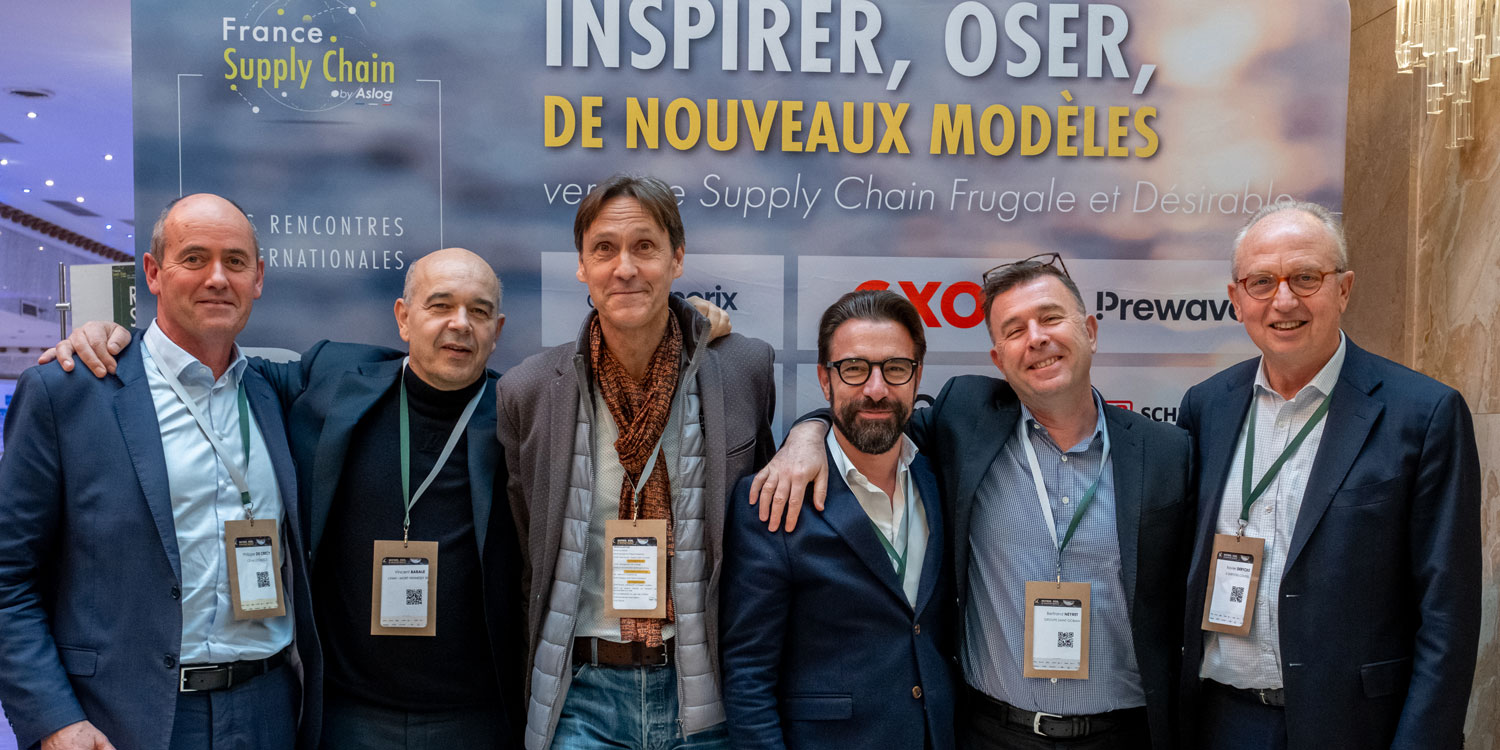
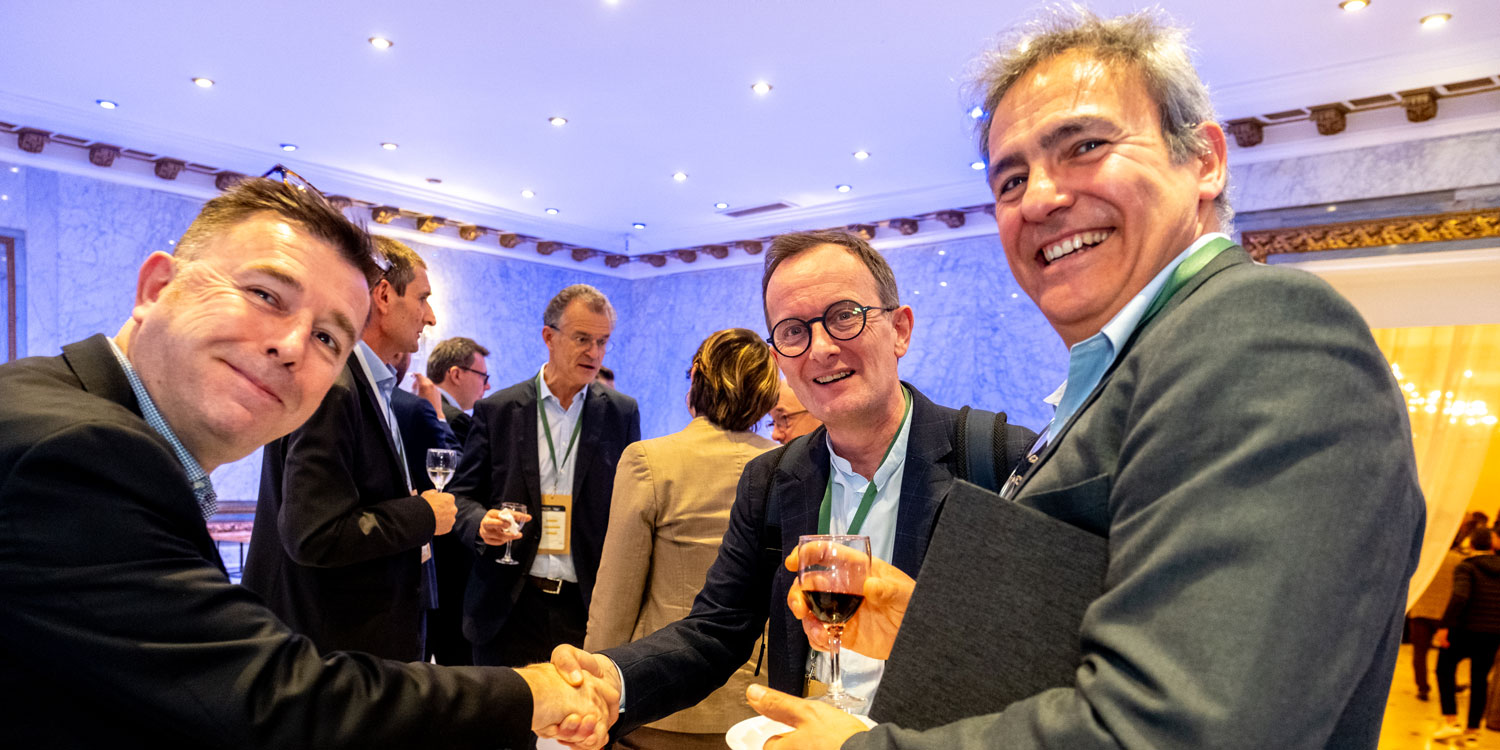
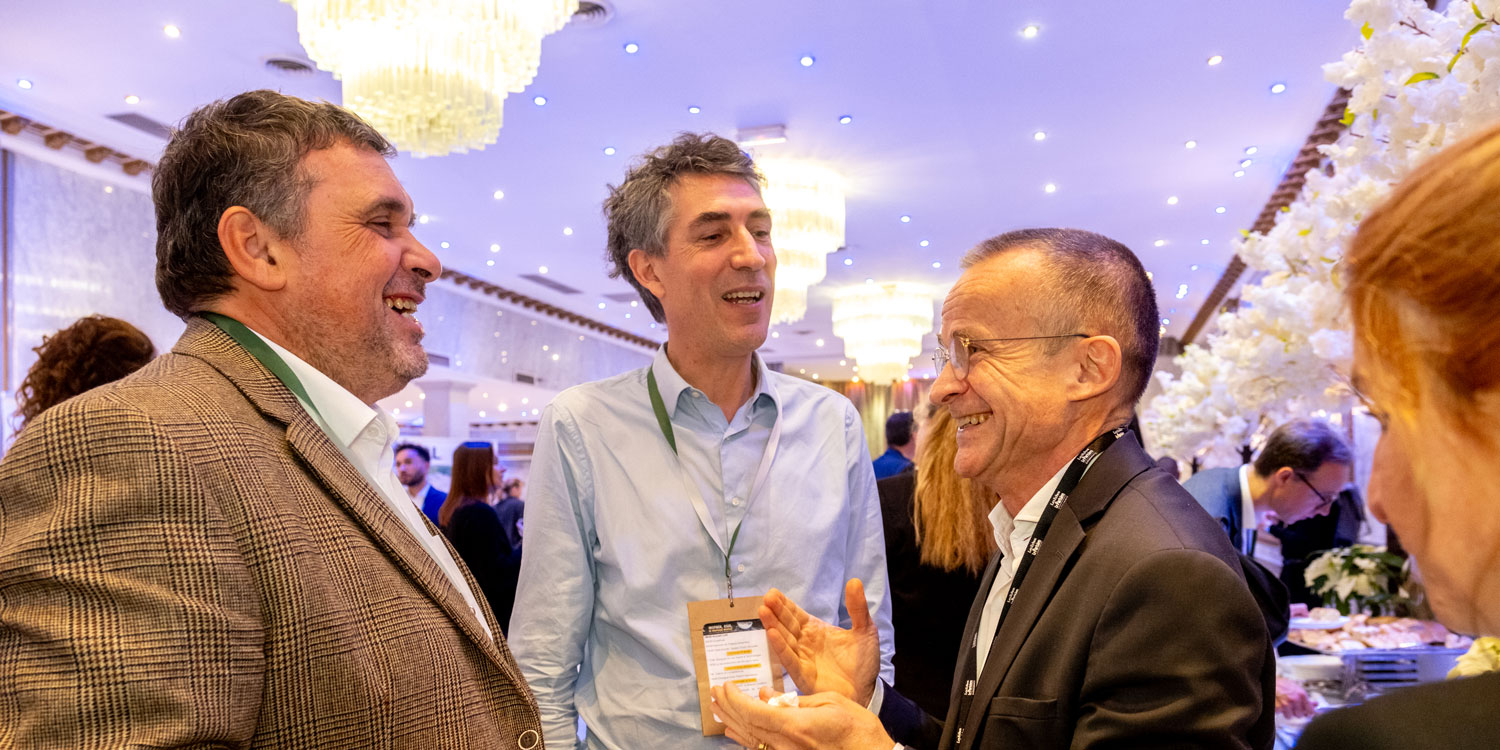
Congress highlights: Philippe Dessertine's grandiose opening; the inspiring keynote by Paola Fabiani, Founding President (Wisecom), Vice-president in charge of entrepreneurship and spokesperson for Medef Nation; our sponsors Generix, EOL and Hardis Group for moments of conviviality. Photo credit: Nathalie Vergès photographie.

The stakes at RISC were on an unprecedented scale. The world of the supply chain is in a state of flux, and it was in the midst of this whirlwind that the 23 speakers and 24 pitches shared their experience and vision. While climate change and sustainability emerged as key themes for discussion, it was also an opportunity to discover new approaches to collaboration between companies and institutions, and to envisage more responsible business models.

The return of RISC, with over 300 participants over the course of the day, was an opportunity to redefine the new priorities of companies.

Circularity: scaling up the performance of new business models

  • round-table-risc-circularite-03

  • round-table-risc-circularite-02

  • round-table-risc-circularite-01

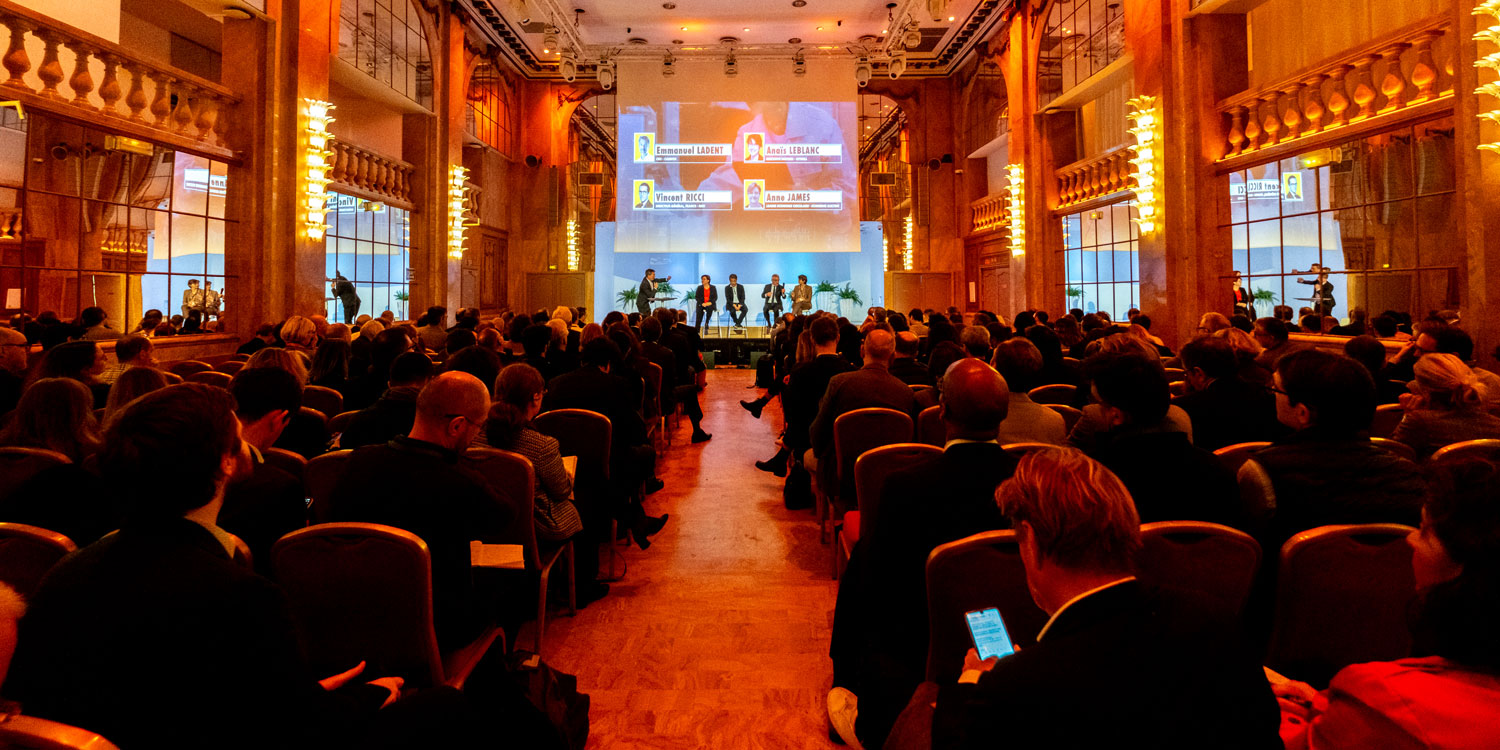
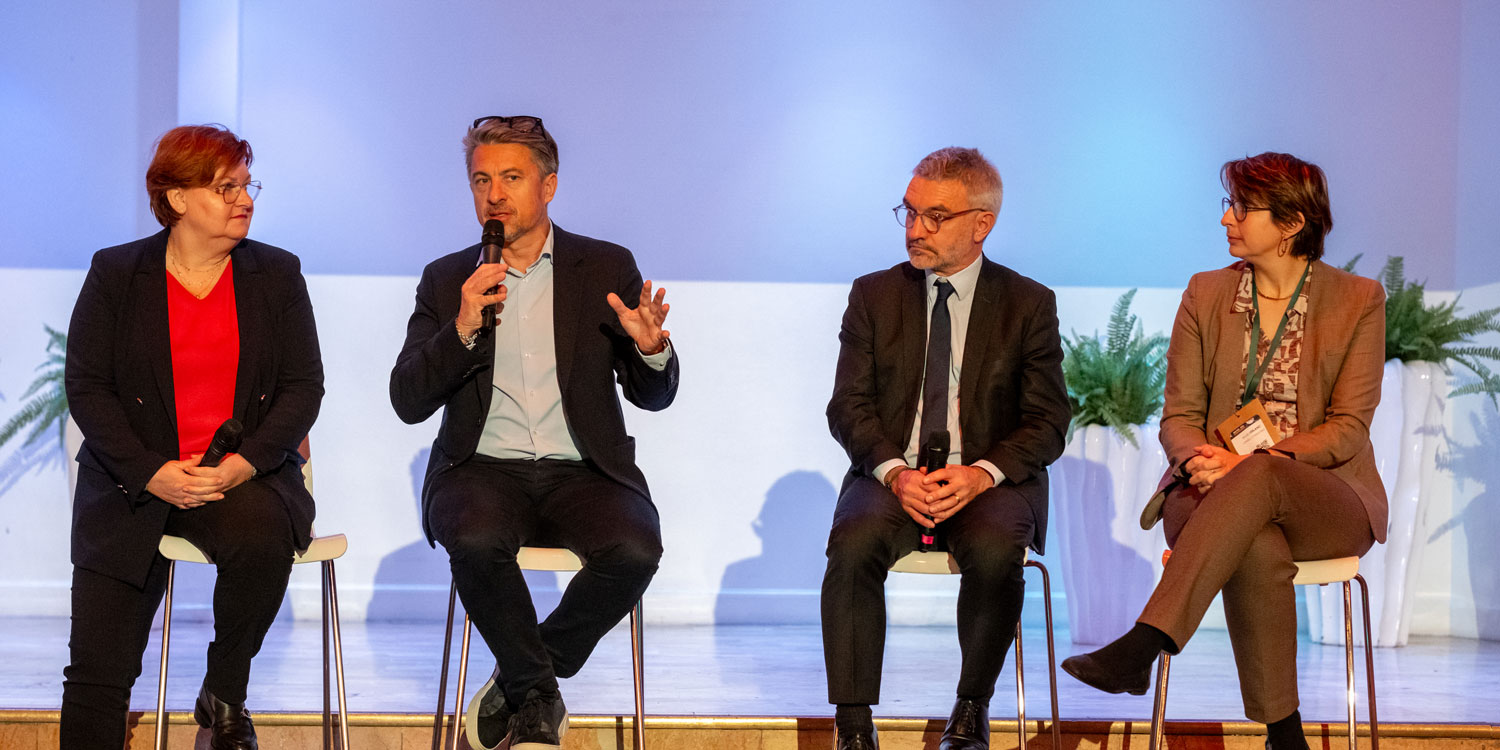
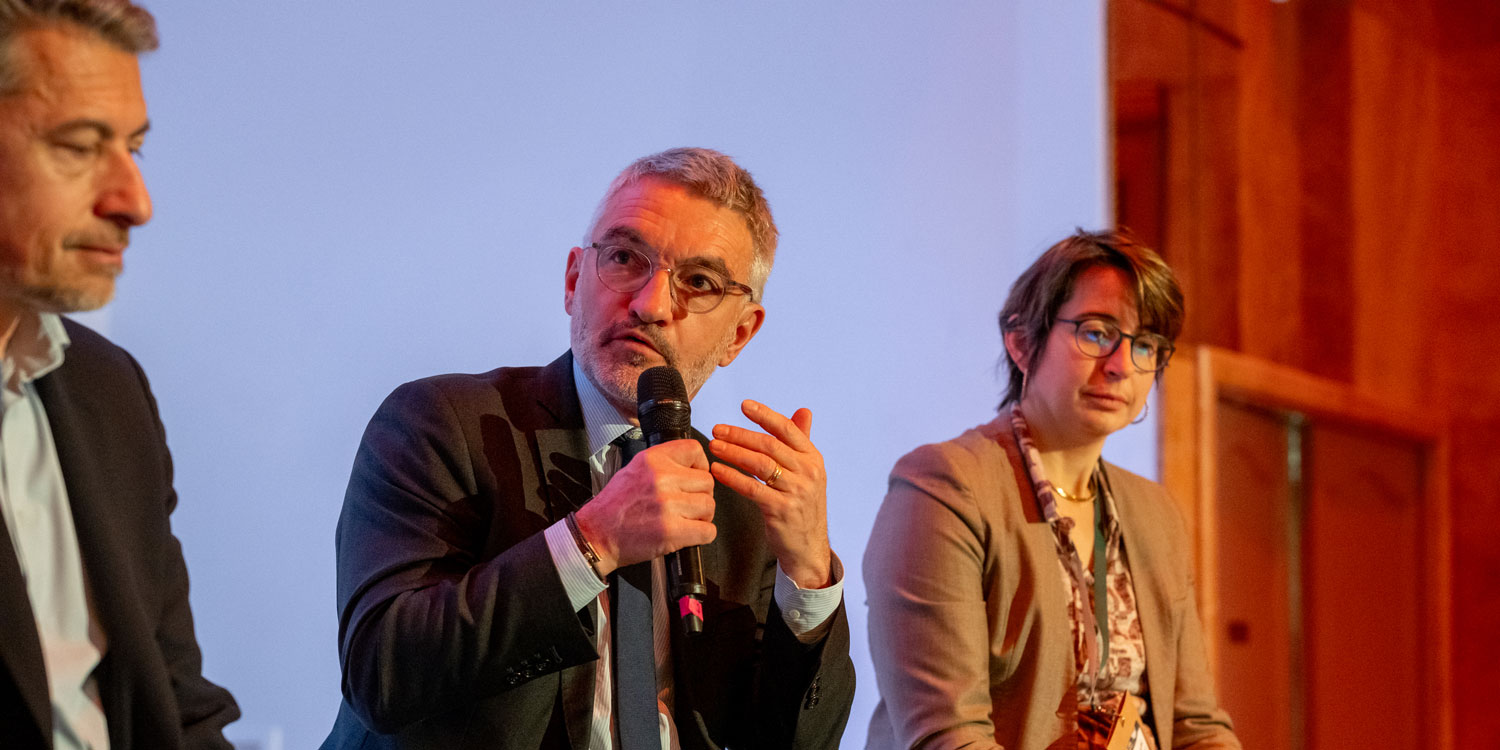
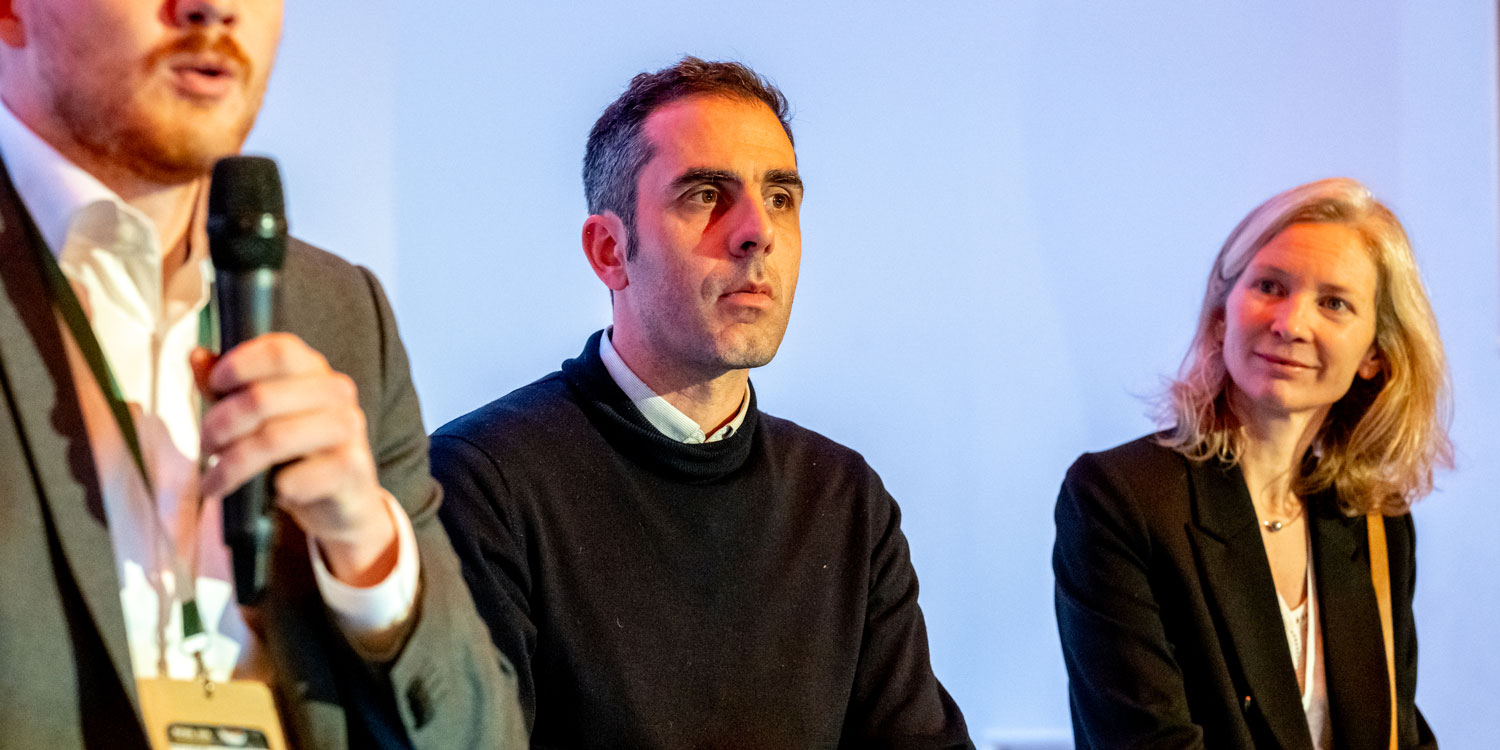
Emmanuel Ladent CEO (Carbios), Anaïs Leblanc, Executive Partner (Citwell), Emmanuel Bonnet Vice-President Sales and Development, France (GXO), Anne James, Circular Economy Leader (Schneider Electric France). Photo credit: Nathalie Vergès photographie.

One of the major themes of the day was the presentation of the Circular Supply Chain as a central lever in the transition to a sustainable economy. Anaïs Leblanc, partner at Citwell, spoke about the major challenges of this transformation: "How can we succeed in making products last, how can we maximize the use of existing resources, and how can we minimize waste? "

In this dynamic, companies are called upon to innovate on several fronts. It's not just a question of recycling, but also of rethinking the way products are manufactured, transported, stored and consumed. For example, Carbios, a pioneering biorecycling company, presented its revolutionary process using enzymes to break down PET and create a material that can be recycled up to 10 times over.

The revolution doesn't stop there, with some pioneers even getting ahead of regulations and the market. Companies like Schneider Electric shared their experiences. The message is clear: the transformation to a circular supply chain is as much an economic challenge as an ecological one. It is not only an investment in the future, but also a competitive lever in a world that is increasingly demanding in terms of sustainability.
A circular economy cannot do without strong logistical expertise, relocation and local collaboration.


Emmanuel Bonnet, Vice President, Sales and Development, GXO

Request the Methodological Guide to a Circular Supply Chain

Produce, Transport, Store Less and Better: New Opportunities

Transforming production, transport and storage models requires a careful balance between optimizing resources, adopting innovative technologies and adapting to social and environmental requirements. It's not just a question of making the supply chain greener, but also of making it more efficient and more resilient in the face of today's economic challenges.
Energy Management: new opportunities

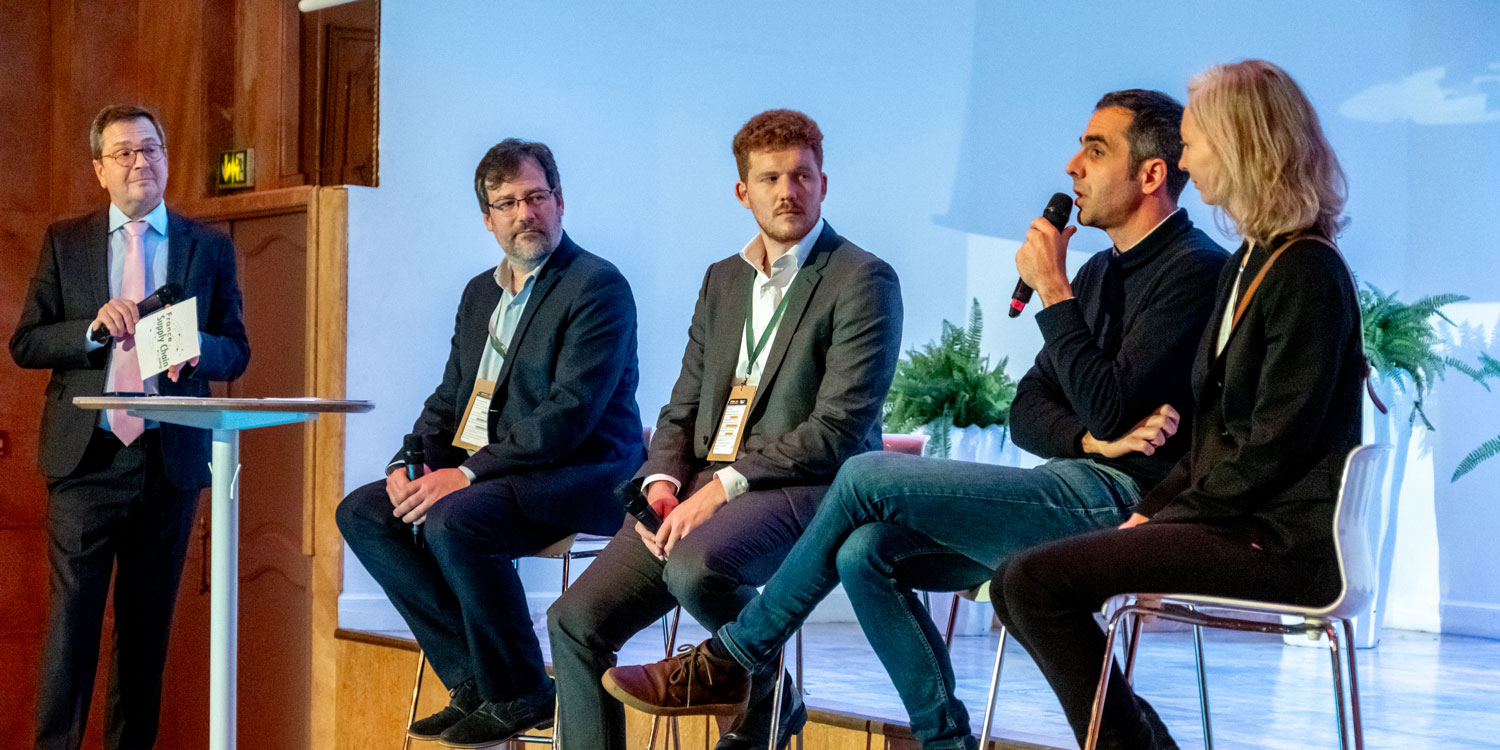
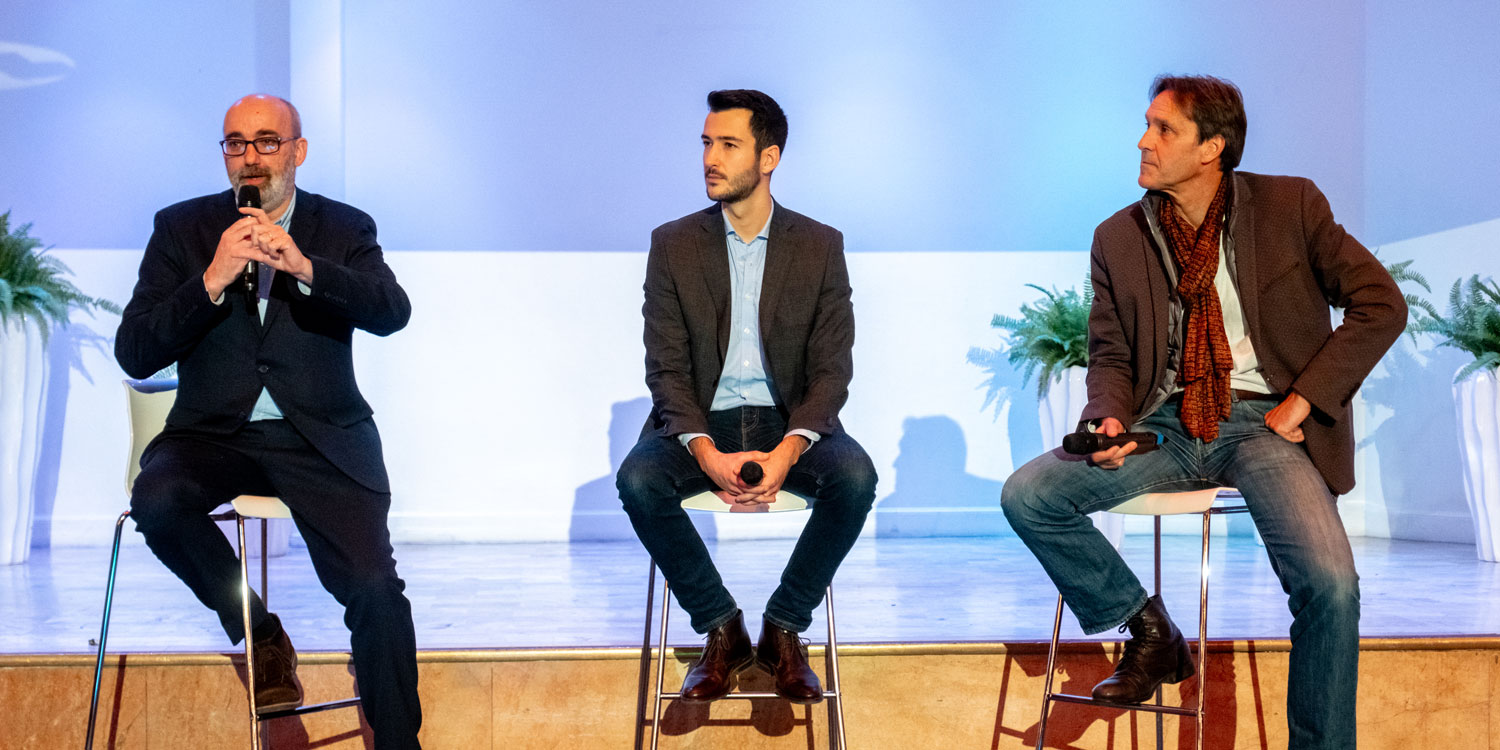
Mathieu Boyer Head of Market Intelligence (SprintProject), Benoît Meunier Product Marketing Manager (Toyota Material Handling), Tariel Chamerois CSR & Sustainability Manager France & Morocco (DB Schenker). photo credit: Nathalie Vergès photographie.

Energy transition and the decarbonization of processes were central to this debate. Speakers shared their experience of :

  • Renewable energies, notably through the use of battery storage and the integration of green energy solutions into supply chains. For example, intelligent energy management in warehouses and the implementation of local storage systems have been presented as solutions that both reduce energy costs and limit greenhouse gas emissions. 

  • The integration of green energy solutions into supply chains. For example, intelligent energy management in warehouses or the implementation of local storage systems were presented as solutions that both reduce energy costs and limit greenhouse gas emissions.

  • Artificial intelligence (AI) as a strategic tool for optimizing logistics flows, predicting storage requirements, and avoiding excess inventory, while minimizing waste. AI enables us to better understand consumption dynamics and anticipate needs accurately and proactively.

  • The challenges of managing critical resources, particularly rare metals. Discussions focused on the reuse and recycling of materials, as well as new energy models such as second-life batteries, which reuse end-of-life vehicle batteries for energy storage in industrial facilities.

The Inspiring Story of the Reconstruction of Notre-Dame: The Model of a Supply Chain that Traverses Time

This event, which marks the end of five years of work following the fire in 2019, was a perfect example of complex logistical collaboration, where every detail counted to meet the deadlines and exceptional quality standards expected for the restoration of the historic monument. But what made this approach so original was the use of the river to transport over 200 tonnes of materials needed for the reconstruction.
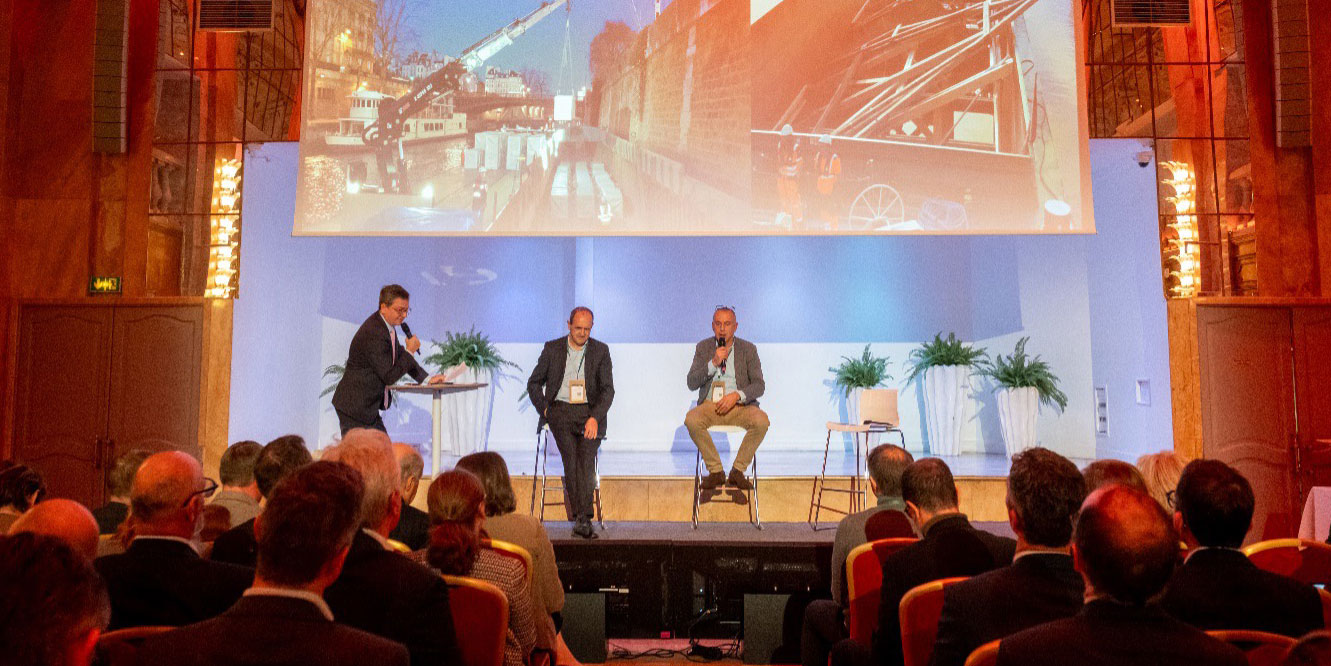
The story of Notre Dame's reconstruction by the Seine

Bertrand Neveux, Freight Development Manager (VNF Bassin de la Seine et Loire aval), Gilles Peyrot, Multimodal Project Manager (Sogestran). photo credit: Nathalie Vergès photographie.

The choice of transporting materials such as ashlar, lime, wood and carpentry via the Seine has helped limit noise and environmental pollution.

This was an innovative approach, because although the Seine has always played a major role in the history of Paris construction, this type of logistics solution had never been used on such a large scale for a site of this importance. The experts involved in river logistics testified to the complexity of the project, which required a number of technical adjustments, including the installation of remote storage barges to manage materials prior to delivery to the site.

The river network, largely under-exploited in terms of freight transport, has demonstrated its potential by offering a viable, faster and less polluting alternative to overland transport.

Exploration, inspiration and solutions for the future: a look back at the association's LAB Digital and Technologies booths

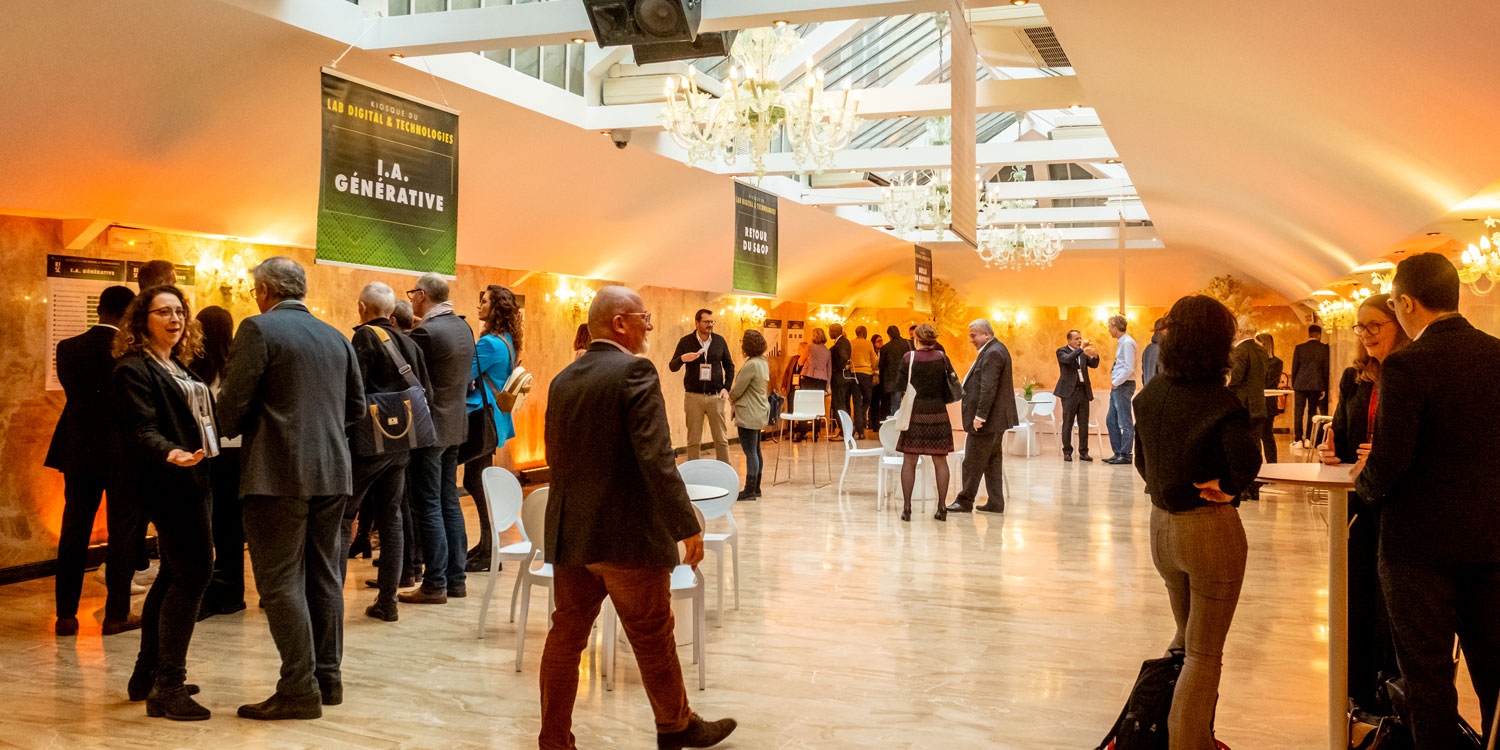
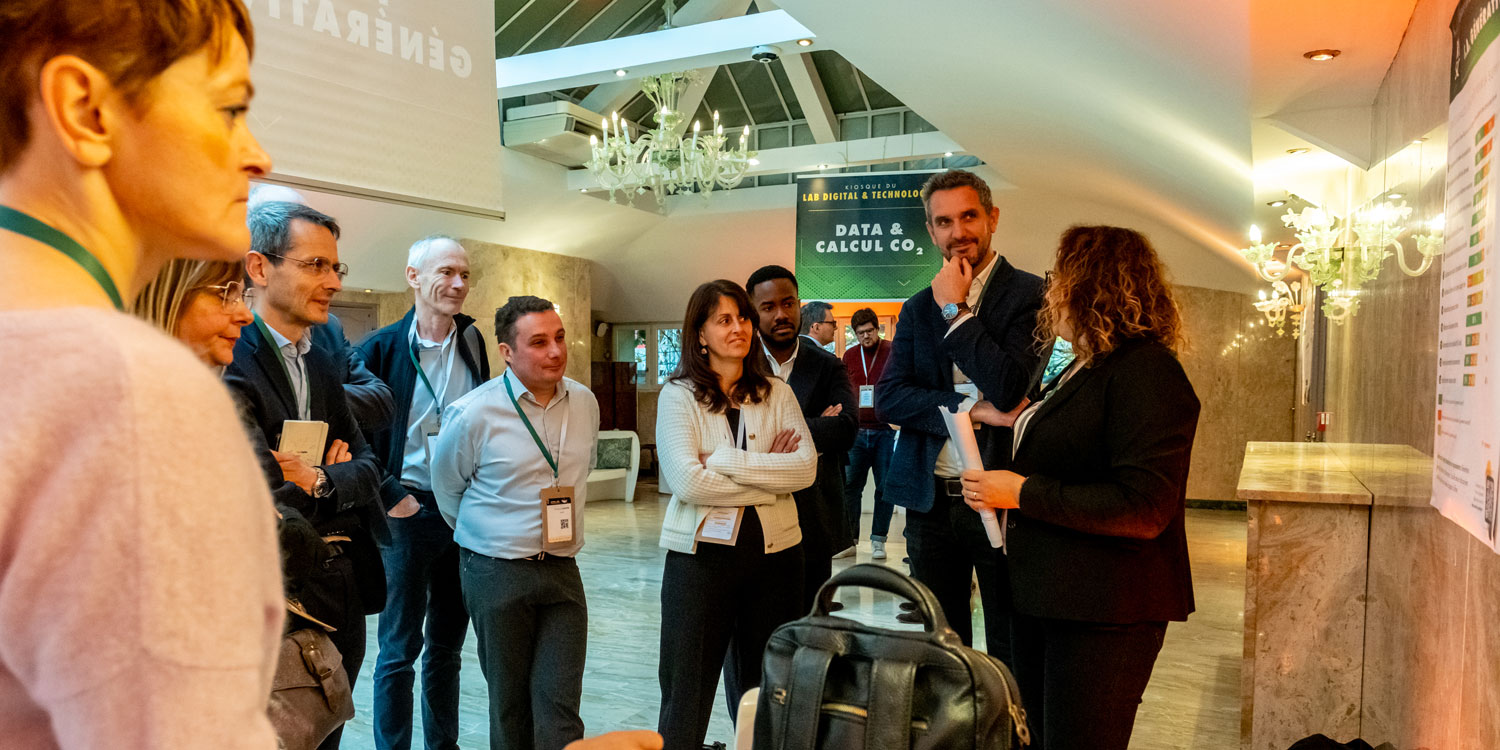
In interactive sessions called "kiosks", participants had the opportunity to explore key themes using concrete tools and feedback from LAB members. This forum forexchange and inspiration highlighted a number of strategic areas, and here are some of the key findings.

  • risc-kiosque-lab-digital-03

  • risc-kiosque-lab-digital-01

  • risc-kiosque-lab-digital-02

Kiosks with Alexandre LIMA, Arnaud DE MOISSAC, Assâad MOUMEN, Bruno LAWSON, Delphine CUVELLIER, Étienne TOURNIER, Geoffrey GABELLE, Gilles VERDIER, Ivan BATURONE, Jean-David ATTAL, Jérôme BOUR, Julia SHARKO, Karine LOUARN, Ludovic MENDES, Marc BRUNETEAU, Maxime AUBRY, Nathalie FABBE COSTES, Nicolas CHELIUS, Olivier WEIS, Sébastien MARIE, Sophie VINCENT, Vincent HOULLIERE. Photo credit: Nathalie Vergès photographie.

  • I.A. Generative: tools for every purpose

    Discussions focused on identifying the right models and platforms for each use case. Three key points emerged:

    1. Test and launch quickly, because technologies evolve at high speed.
    2. Focus on relevant use cases to address specific issues.
    3. Launch projects on defined perimeters, demonstrate their value, then scale up.
  • Intralogistics: mechanization and robotization on the horizon

    Mechanization, automation and robotization were discussed from several angles:

    1. How do you design an intralogistics project?
    2. What technologies can we anticipate for the future?
    3. How can these projects be financed, and what are the best ways to acquire them?
  • S&OP: data and technology for decision-making

    The resurgence of Sales & Operations Planning (S&OP) highlights three key areas:

    1. Establish a cross-functional, iterative decision-making process based on solid data.
    2. Understand current disruptions (technologies & data, uncertainties of the VUCA world, new business models).
    3. Rely on communication and a collegial approach to boost efficiency.
  • Calculating and reducingCO2 emissions: a responsible supply chain

    The analysis of emissions at each link in the chain is based on a comprehensive approach, inspired by the SCOR model:

    1. Demonstrate that carbon is not limited to transport, thanks to an end-to-end approach.
    2. Decarbonizing is accessible to everyone, whatever their level of maturity.
    3. Sharing concrete levers for progress and accelerating emissions reductions.
  • Digital maturity grid: steps to controlled digitalization

    To move up the five levels of digitization, the recommendations focused on :

    1. Define the company's transformation potential.
    2. Adopt an incremental approach, structured in five stages.
    3. Progress in a balanced way, integrating data, human and technological dimensions.
  • Traceability: successful implementation with a strategic vision

    The Internet of Things (IoT) opens up new possibilities for traceability, but its adoption requires a clear strategy:

    1. The IoT is just one technology among many for tracing flows.
    2. It's essential to define your objectives precisely before getting started.
    3. Integrate traceability issues into global strategy and connect decision-making systems to fully exploit data.

Discover the tools and guides produced by the Squads

Capitalizing on talent and integrating skills evolution

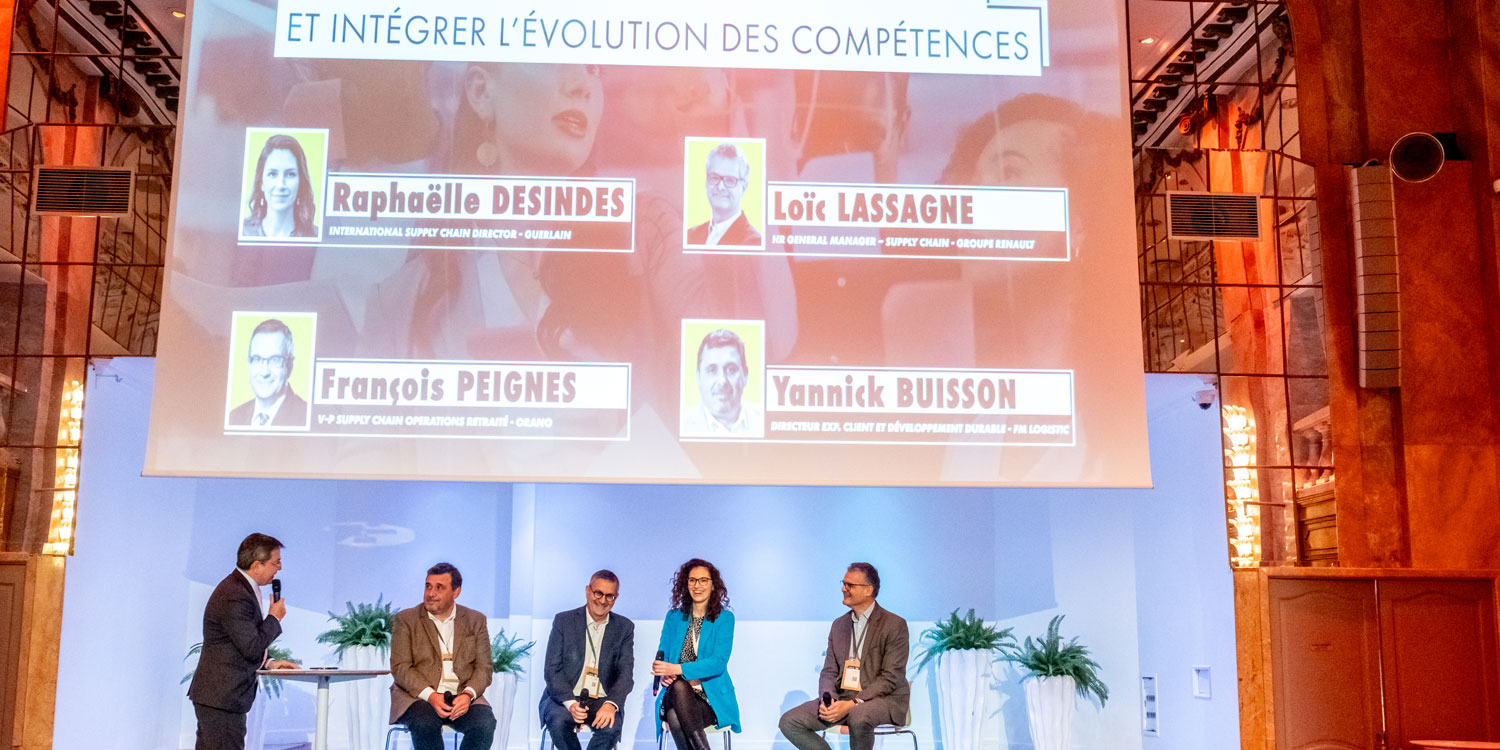
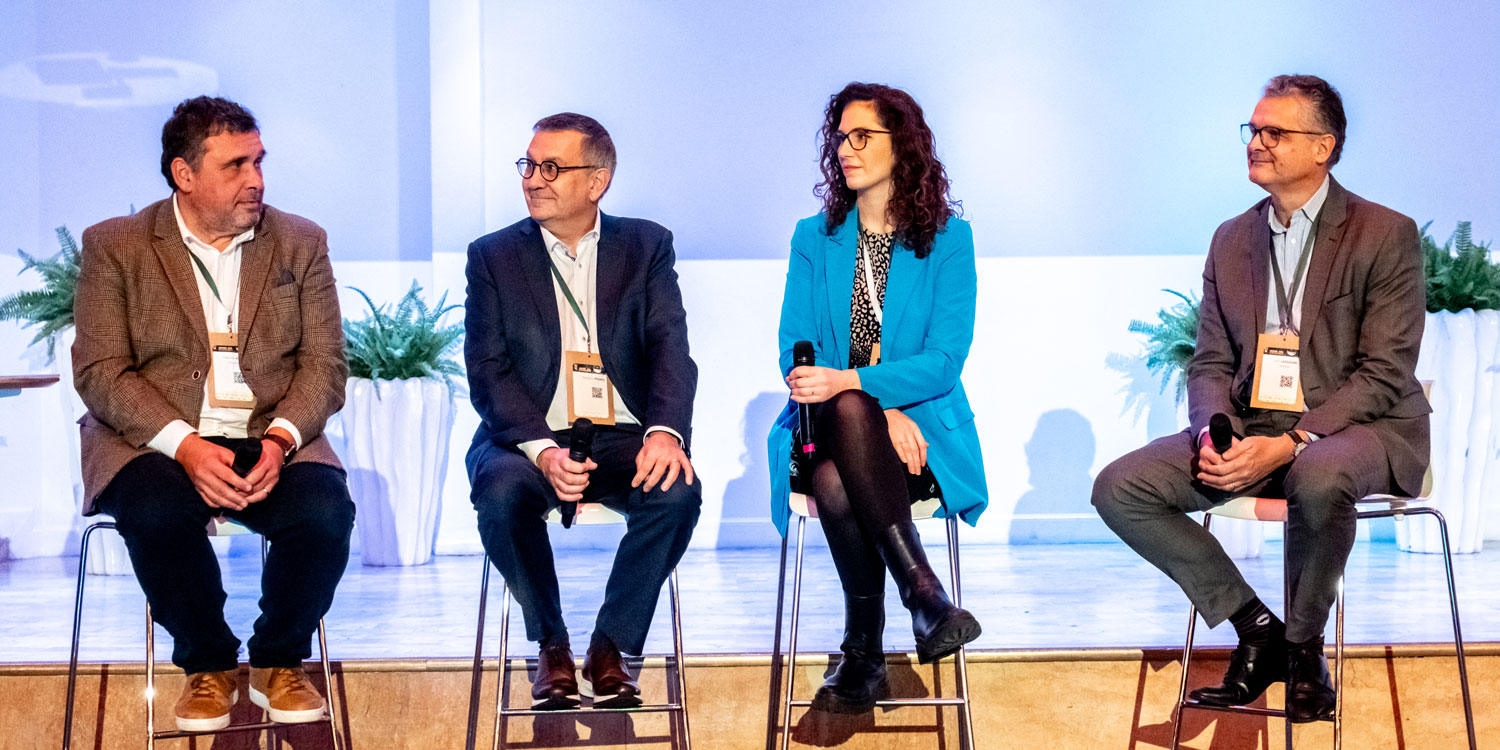
During this 3e round table, our 4 guests explored with the audience how to attract, retain and develop talent in an ecosystem undergoing rapid digital and environmental transformation.

Today's companies need to develop training and attractiveness strategies adapted, not least to bridge the generational gap that could arise with the growing mastery of digital tools like ChatGPT among new generations.

The success of these new HR strategies depends on inclusive team management that :

  • involves all employees, regardless of age or hierarchical level;

  • meets their need for meaning;

  • focuses on self-training anddigital upskilling;

  • is based as much on transmission as on experience in the field;

  • promotes its role as asocial elevator;

  • works on its employer brand.

  • potentiate-talents-02

  • potentiate-talents-01

  • potentiate-talents-03

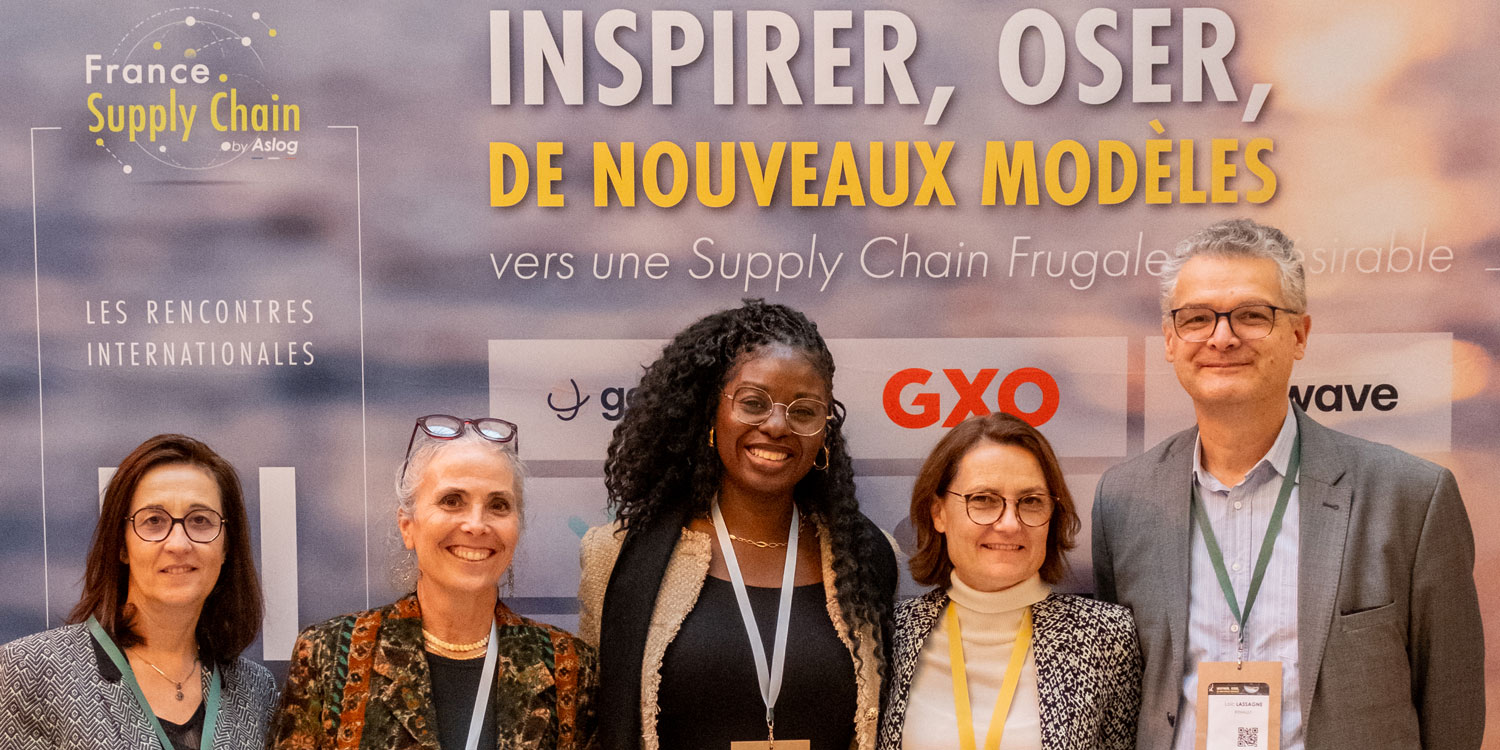
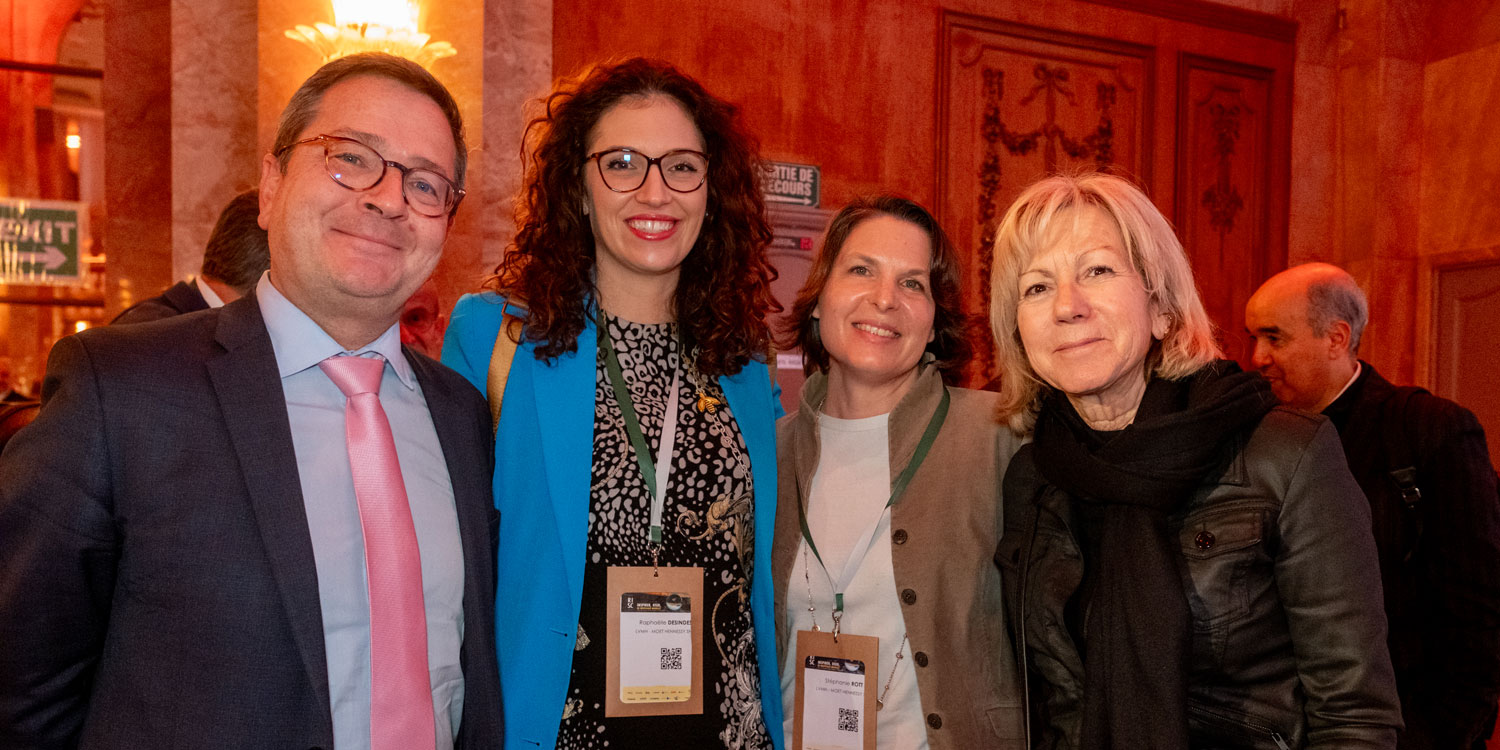
Raphaëlle DESINDES International Supply Chain Director - Guerlain; Loïc Lassagne in charge of supply chain HR - Groupe Renault; François Peignés, Vice President Supply Chain Operations - ORANO, until 2023 author of "COMPAGNIE, comprendre et développer le capital humain des grandes entreprises industrielles"; Yannick Buisson Customer Experience and Sustainable Development Director - FM Logistic. photo credit: Nathalie Vergès photographie.

Another point discussed was the upgrading the Supply Chain functionAlthough historically seen as a secondary concern, it is now a strategic component of the company, with a strong presence on management committees. To attract talent, it's important to showcase the diversity of our professions and career paths, notably through programs such as the graduate program, which enables young people to discover different positions (plant, field, corporate, sales) and develop a comprehensive vision of our professions.

Artificial intelligence (AI) is also a strategic lever, provided we can demonstrate that it can generate value for our businesses, by facilitating decision-making, and not a threat to jobs.
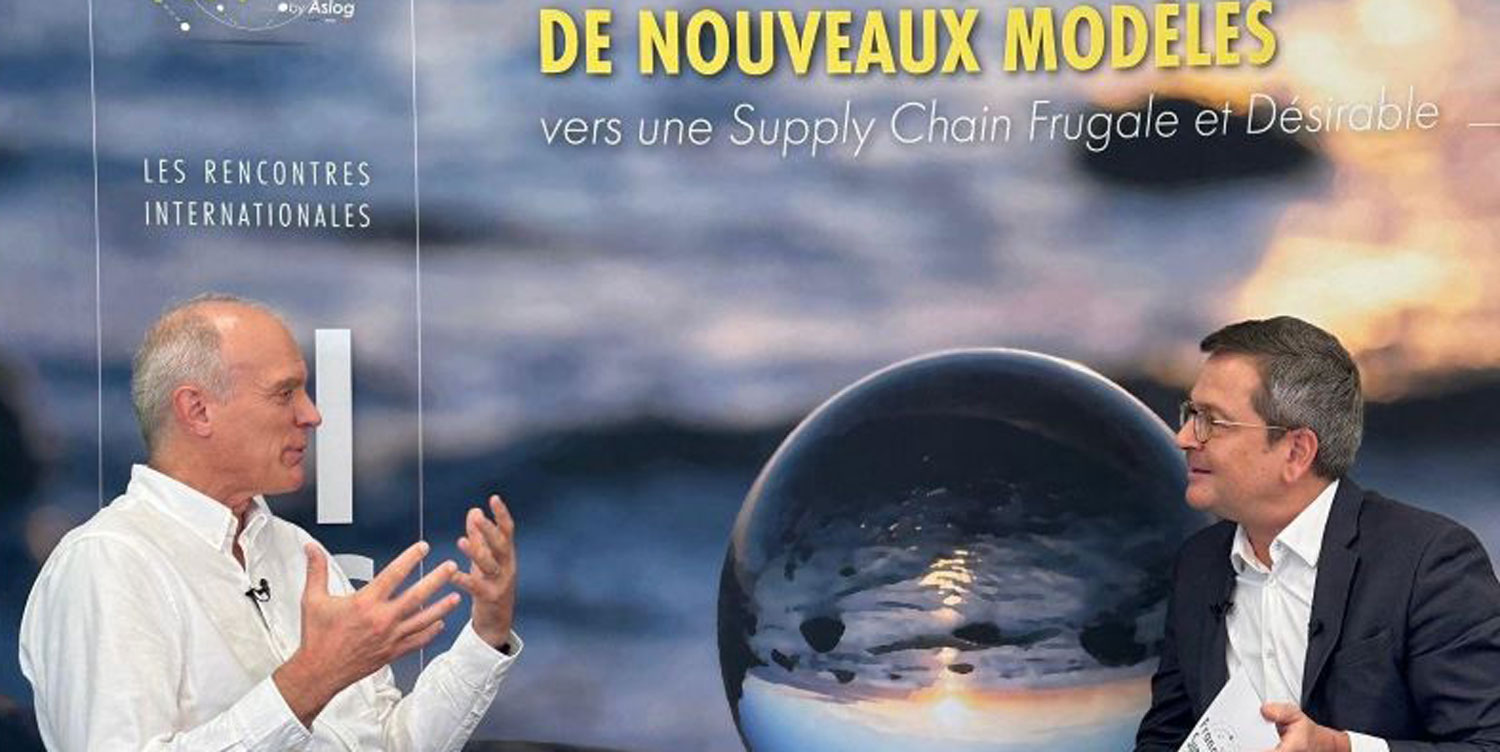
Dialogue with Florent Menegaux

Interview by Fabrice Lundy

Going further

with an interview with Florent Menegaux, President of the Michelin Group, who talks about his approach to social innovation.

Discover

The emergence of a French bike ecosystem for freight transport

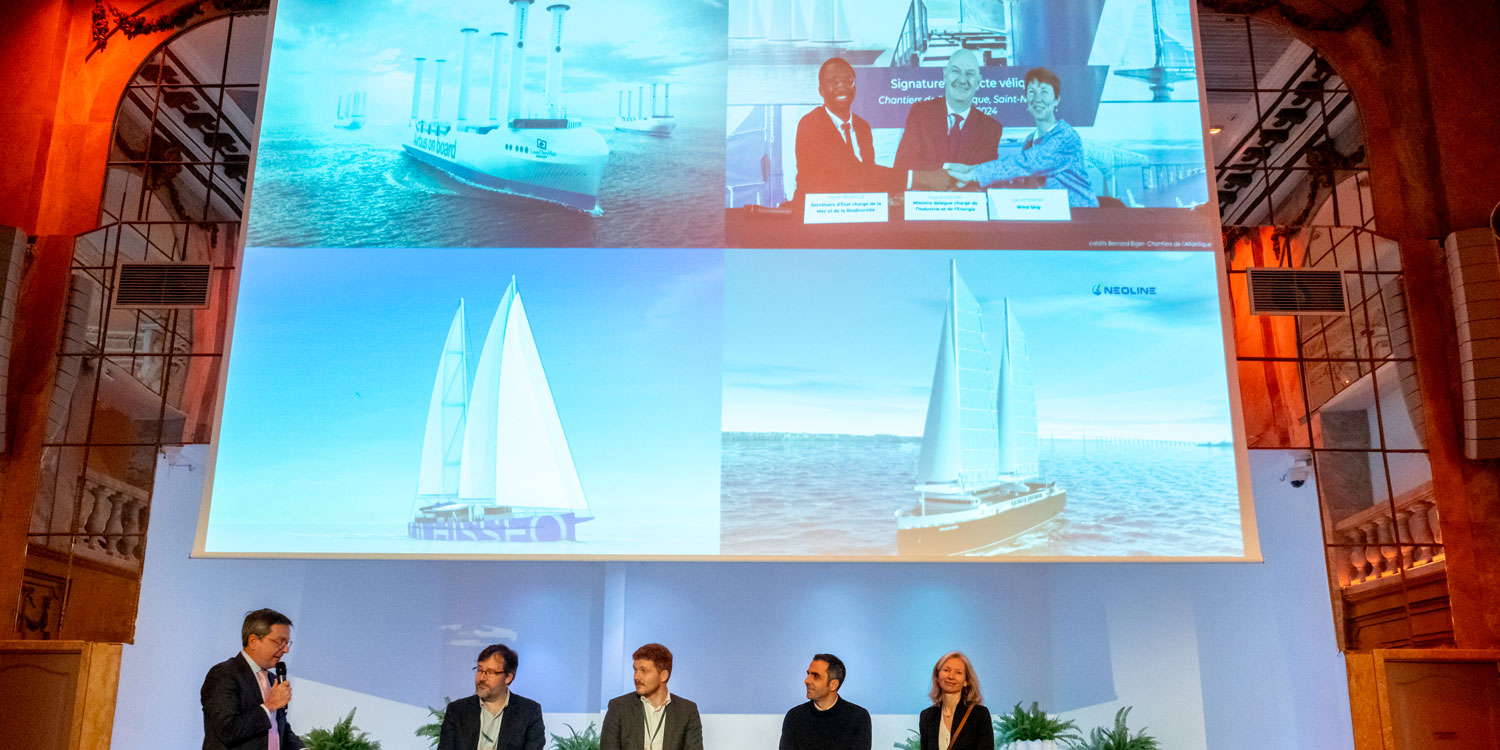
With 70% of the world's freight transported by sea, cargo sailboats are emerging as a promising solution for drastically reducing carbon footprints. France boasts historic expertise in shipbuilding and an innovative ecosystem supported by proactive public policies such as the Pacte Vélique.

Among the key players redefining maritime transport:

  • Hisseo logo

    Cargo sailboat reducing CO₂ emissions by up to 90%.

  • Neoline logo

    Vegetable propulsion covering 60-70% of energy needs.

  • Louis Dreyfus Armateurs logo

    Integrates active sails, rigid wings and kites for a variety of needs.

  • Logo Zéphyr & Borée

    A pioneer in modern sail-powered shipping, we design sail-powered merchant ships that use alternative fuels to fossil fuels.

The International Maritime Organization has set a target of reducing CO2 emissions by 50% by 2050. This is the context of the Shipper Coalition for a Low Carbon Maritime Transport (SCLCMT), a France Supply Chain - AUTF co-association in which shipper members collaborate to develop non-standard ships (-50% CO2 emissions vs. conventional transport).

The start-up Zéphyr & Borée has been selected by this coalition of diverse companies to build the first container ships powered mainly by sail to make weekly North Atlantic crossings by 2028.

  • round-table-shipper-coalition-01

  • round-table-shipper-coalition-05

  • round-table-shipper-coalition-04

  • round-table-shipper-coalition-03

  • round-table-shipper-coalition-02

Nils Joyeux Co-founder and President (Zéphyr&Borée), Alain Goll Sustainability & Transformation Leader International Supply Chain Adeo Services and General Secretary of the SCLCMT, Simon Watin Managing Director of VPLP design and Vice-President of the Wind Ship Association, Djamina Houdet Caseneuve President (Hisseo), Jean Zanuttini President (Neoline), Thibault Droguet Project Manager (Louis Dreyfus Armateurs). photo credit: Nathalie Vergès photographie.

The Paris Olympics: a masterful supply chain and exemplary collaboration

Delivering the Olympic and Paralympic Games on an exceptional scale, against all the odds, was a challenge that Paris 2024 rose to with flying colors. Anthony Piqueras, Director of Venues and Infrastructure, embodies this success thanks to rigorous planning and a strategic vision that began with the bid over ten years ago.

The ambition? To use the Games as a lever to enhance France's heritage, while meeting the needs of the regions concerned, without superfluous expenditure. Versailles and the Place de la Concorde were transformed into spectacular settings, while the model was based on existing infrastructures and sustainable resource management.
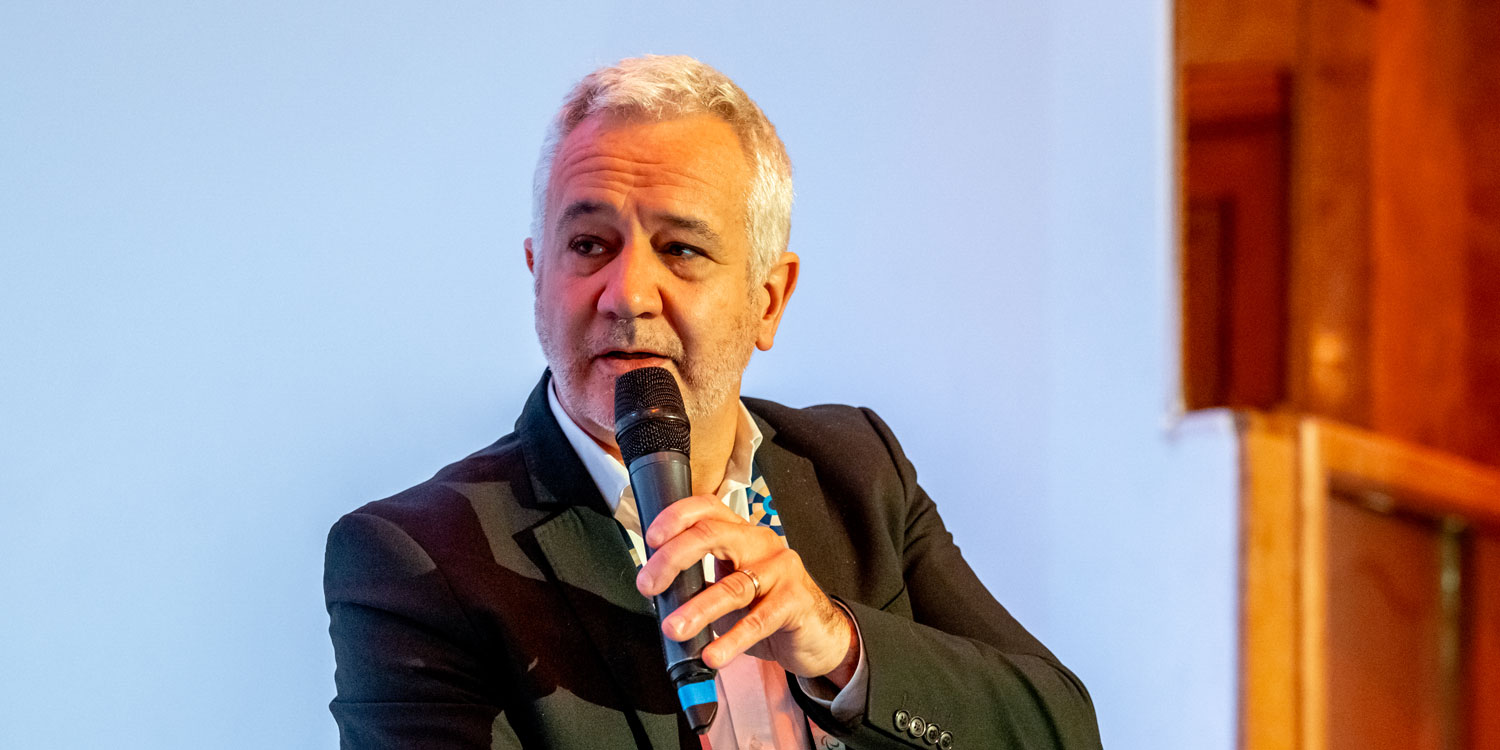
Collaboration and Orchestration at the heart of the success of JOP2024

Anthony Piqueras, Director of Venues and Infrastructure at Paris 2024 Olympic and Paralympic Organising Committee (Paris 2024)

This strategy also included emblematic initiatives such as the integration of the public transport network and the use of sites throughout France, including Lille, where one million tickets were sold.

The logistical challenges were just as ambitious, with titanic objectives such as coordinating 240,000 temporary grandstand seats, transporting materials and managing the massive flow of visitors. Paris 2024 met these challenges thanks to a flawless methodology combining intelligent sourcing, strategic calls for tender, pooling of resources on a national and European scale, and meticulous planning in conjunction with service providers and local authorities.

This collaborative effort culminated in a harmonious partnership between private companies, public infrastructures and local players, guaranteeing exemplary operational fluidity. What made the difference? A collective mobilization which, from the spring onwards, generated a decisive trigger, propelling the Games towards success on both technical and human levels.

This return of RISC, both a source of inspiration and a catalyst of ideas, resulted in an event with a rich and varied content, offering a complete panorama of contemporary challenges and innovative solutions for a more efficient and responsible Supply Chain. The Supply Chain will be resolutely circular and frugal, and therefore decarbonized, while relying on people and the construction of collaborative ecosystems.

Companies that adopt these new models

will play a key role in a sustainable and desirable future

  • temps-forts-risc-2024-01

  • temps-forts-risc-2024-06

  • temps-forts-risc-2024-02

  • temps-forts-risc-2024-04

  • temps-forts-risc-2024-05

  • temps-forts-risc-2024-03

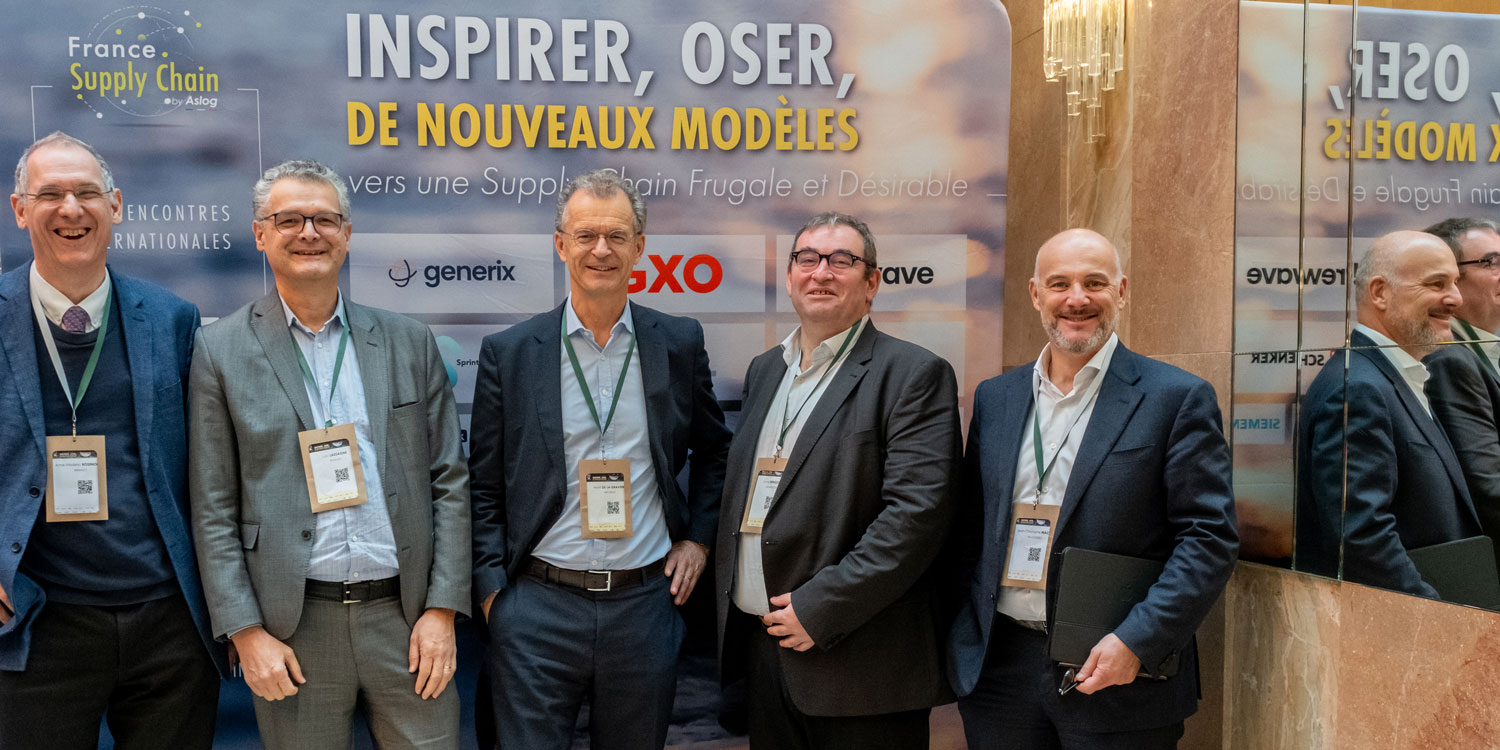
Congress highlights : Fabrice Lundy master of ceremonies, Raphaëlle Desindes, Stéphanie Rott, Valérie Macrez, Yannick Buisson, Arnaud de Moissac, Yann de Feraudy President of France Supply Chain, Jean-Christophe Machet, Mohammed Marfouk, Bertrand Neyret, François-Martin Festa, Ivan Baturone, Aime-Frederic Rosenzweig, Loïc Lassagne, Henri de La Gravière, Lionel Benezech, Marie-Laure Furgala, Blandine Ageron, Madeleine Deby, Françoise Lieuré

NEWS

See all the news


EVENTS

PRESS

Read more

France Supply Chain by Aslog awards the Prix Féminin du Meilleur Mémoire en Supply Chain to Maureen Poullié for her research on responsible purchasing

The award, presented by France Supply Chain's Communauté des Femmes en Supply Chain, recognizes outstanding research into the impact of responsible labels on purchasing practices. The award recognizes the academic excellence of the students and highlights their commitment to a more inclusive and sustainable Supply Chain. In her Master 2 thesis, Maureen Poullié, a student at Excelia Business School, demonstrates how such a label can be both a guide and a unifying tool for transforming corporate purchasing practices.

Impact of Responsible Labels on Purchasing Practices

Photo by Maureen Poullie

Maureen Poullié's professional thesis focuses on how a responsible label can transform a company's purchasing practices towards a more sustainable approach. Through a case study of an aeronautical company that has held the RFAR (Label Relations Fournisseurs et Achats Responsables) label since 2022, she demonstrates how a label can act as a guide, guarantor, federator and differentiation tool. Based on semi-directive interviews and participant observation, the study highlights the importance of a collaborative commitment and appropriate management methods to make this transition a success.

Challenges and recommendations for companies

Through her research, the prizewinner offers concrete recommendations to companies wishing to embark on a labeling process for more responsible purchasing. She stresses the importance of choosing the right label for the company's objectives, training and informing teams, and promoting a shared vision of the labeling project. This advice aims to facilitate the transition of purchasing practices towards more sustainable models, by aligning corporate values with current societal expectations.

Origin of the Prize and Objectives of the Community of Women in Supply Chain

Created just over a year ago, France Supply Chain's Communauté des Femmes en Supply Chain aims to encourage mutual support, promote the sharing of professional knowledge and raise the profile of women in this field. Led by Marie-Laure Furgala (Director of ISLI at Kedge Business School and member of the COMEX of France Supply Chain), this initiative brings together some twenty women Supply Chain professionals around concrete actions such as inspiring webinars and career development tools. With this in mind, the Prix Féminin de la Meilleure Thèse aims to encourage young women to invest in future-oriented topics for the sector.


About France Supply Chain

The FRANCE SUPPLY CHAIN BY Aslog community works to strengthen the impact of the Supply Chain on corporate competitiveness, and to make it a lever for a more sustainable world. The association brings together 450 French and international companies of all sizes and in all business sectors, as well as Grandes Ecoles and training organizations. This 5,000-strong network of professionals, lecturers and students pools ideas and experience to deliver concrete solutions to supply chain players.

Press contact: Elorri Thicoïpé - Communications Manager
elorri@francesupplychain.org
06 21 28 82 74

Circular Supply Chain: 1rs retex of the 4 workshops

As part of the transition to a circular economy, companies are seeking to transform their models to meet environmental and societal challenges. However, this transition remains complex, particularly for Supply Chains, where flow management, traceability and interoperability are essential. In collaboration with Citwell, we ran a series of workshops throughout 2024 dedicated to building circular Supply Chains.

Circularity

A circular supply chain: yes, but how?

Moving to a circular supply chain is a pressing necessity for many companies seeking to adopt more sustainable models. However, the complexity lies not only in managing flows. 

Many manufacturers and economic players would like to switch to the circular economy, but don't have all the information and skills they need to make this pivot.

Camille Demarquilly,
Michelin Vice President Global Supply Chain Engineering

That's why our workshops aim to provide concrete tools and feedback to help you take this step. The supply chain is a crucial lever in the successful transition to the circular economy. In-depth collaboration, inventory and demand planning, and flow optimization are becoming priorities for ensuring effective circularity.

Key Themes for a Successful Circular Supply Chain

Our workshops cover several areas critical to the success of a circular supply chain, including :

  • Circular planning

    Adapt traditional planning tools to meet the specific needs of the circular economy.

  • Extending product lifespan

    Thanks to eco-design, remanufacturing, repair and retrofit, products are used longer, reducing the demand for new resources.

  • Circular logistics

    Optimizing return flows and managing logistics loops make these new models competitive.

  • Traceability

    Transparency about the flows and players involved is essential for an efficient circular supply chain.

These topics were addressed through concrete testimonials from various companies, and were complemented by working sessions in sub-groups on the notions of sizing and multi-locality, circularity management, and data and operational management.

Opening workshop bringing together institutions, researchers and supply chain players

Opening workshop bringing together institutions, researchers and supply chain players.

The Orange Example: Traceability and Value Sharing

Orange is a good example of how a circular supply chain can be both efficient and inclusive. The model for their boxes, designed to be circular from the outset, is based on total control of the loop, ensuring exemplary traceability. Orange limits the diversity of its models (only a dozen or so), which facilitates repair, renovation and continuous improvement processes. Their model also includes a strong partnership with ESATs, reinforcing the social value of the system.

Some key points of their approach:

  • Owned by Orange

    Control of the supply chain is facilitated by the fact that the boxes remain the property of the company, which simplifies monitoring and equipment renovation.

  • Partnership with manufacturers
    Eco-design becomes a necessity to harmonize the two models, circular and linear.
  • Continuous improvement
    Orange regularly demands innovations and improvements from its suppliers, integrating environmental and financial performance criteria at every stage of the product life cycle.

This cooperation between the various players creates shared value, while integrating the social and environmental dimension into every decision.

The workshops conducted with Citwell on building circular Supply Chains clearly show that the transition to a circular economy is not only possible, but also beneficial for businesses, the environment and society. Concrete examples from our members demonstrate that this transformation, although complex, can bring increased resilience to the Supply Chain, while generating opportunities for innovation and collaboration.

The publication of a methodological guide at the end of these workshops will provide the community of supply chain professionals with the tools they need to succeed in this transformation, while reconciling economic performance and environmental impact.

RISC: inspiring and daring new models for a frugal and desirable supply chain

RENDEZ-VOUS

DECEMBER 5 AT RISC

TO FIND OUT ALL YOU NEED TO KNOW

NEWS

See all the news


EVENTS

PRESS

To go further

Read more

Boost the digital maturity of your supply chain: steps and levers to achieve it

  • Is AI the solution to all Supply Chain challenges?
  • Why is digitalization so important in our businesses?

In a fast-moving, uncertain world, we face a number of supply chain challenges. Digitization is one of the major levers identified for successfully transforming our Supply Chains. Another reason to embrace the subject: those who are the most mature will be able to turn it into a competitive advantage.

In this video, you'll find out how it's done, based on our grid. The chapters that interest you most are directly accessible and visible in the timeline:

  • 00:00:00 the genesis and benefits of the approach
  • 00:02:03 The 5 stages of progressive supply chain digitization
  • 00:06:13 the 3 axes that define your digital maturity
  • 00:09:00 Digital twins, process mining and other data-driven approaches: where do supply chains stand?
  • 00:11:35 Testimonial on the implementation of the grid: the case of the bonded warehouse
  • 00:15:16 Questions/Answers and now how do we move forward?
  • 00:18:08 Questions / Answers What level of digital expertise do you need to use the grid?
  • 00:19 :17 Questions / Answers Is the ultimate level for bonded warehousing accessible?
  • 00:22: 25 Things to remember and next steps

With
  • Yann de Feraudy

    Sébastien MARIE

    Partner

  • Yann de Feraudy

    Delphine CUVELLIER

    Customs Manager France

  • Yann de Feraudy

    Gilles VERDIER

    Innovation leader Supply Chain

This work will also enable you to

make the case for the investments you need to transform your business!

In the coming weeks, keep an eye out for upcoming LAB publications directly related to this work (SQUADs Generative AI, S&OP, data and CO2 emissions calculation), and look out for the team at RISC(Rencontres Internationales de la Supply Chain) on December 5 in Paris, where we'll be manning a booth dedicated to Digital Maturity, where you can chat with participants.

NEWS

See all the news


EVENTS

PRESS

To go further

Read more

Pooling flows to accelerate modal shift

Shipper pooling: the key to accelerating modal shift?

Are you working to develop low-carbon transport solutions? Would you like to create new rail and river routes? 

to view the replay and the speakers' detailed answers

Since 2022, a SC4Good LAB group has been dedicated to multimodal transport. Its aim is to identify opportunities for pooling the use of rail transport. The initial group, made up of nine shippers, shared and mapped their logistics flows, identifying common corridors between France and Spain, as well as East-West flows.

However, analysis showed that there weren 't enough of us to create a significant mass effect. To explore the subject of pooling in greater depth, group leader Florence Ughetto, Sustainable Development & Logistics Expert for Renault Supply Chain, organized this webinar.

Academic viewpoint on mutualization: what solutions for modal shift?

Hannah Yee, a post-doctoral researcher at École des Ponts ParisTech, presented strategies for decarbonizing freight transport via a modal shift from road to intermodal rail. She explained that rail is used for long distances, while road is used for the first and last kilometers, using the same loading unit throughout. This reduces carbon emissions, as rail transport is less carbon-intensive than road transport.

The researcher went on to discuss the concept of mutualization, where several shippers group together to share transport volumes, thereby reducing fixed costs and obtaining volume-based discounts. She pointed out that intermodal rail is often more expensive than road transport, due to terminal handling costs and first and last mile charges.

Four stages have been identified for setting up a pooling solution:

  • Chapter 1

    Identify

    flows eligible for intermodal rail transport

  • Chapter 2

    Find

    partner shippers with similar origins and destinations

  • Chapter 3

    Set up

    a cooperation agreement between shippers

  • Chapter 4

    Define

    a pooling strategy to organize collaborative transport in practice

She stressed the importance of a holistic approach and supply chain perspective to synchronize shippers and optimize transportation and inventory management costs simultaneously.

The free Appel d'air platform: find or create intermodal transport solutions

Bernard Guilbot presented the Appel d'Air tool, developed by the AI-Cargo Fondation association, of which he is Honorary Chairman, to help decarbonize freight transport by facilitating modal shift. Financed by energy saving certificates, this application is free of charge for shippers.

Appel d'Air uses the Cumulus digital platform to help shippers find existing intermodal transport solutions or pool their flows to create new services. The platform features maps detailing Europe's rail and river networks, with the option of zooming in on stations and ports.

Users can carry out simple searches by entering details such as zip code, city, delivery date, and by defining distance or time criteria for pre- and post-carriage. The tool then provides relevant services, ranked byCO2 savings.

For more complex analyses, users can import CSV files containing their transport flow data. The platform then assesses the eligibility of these flows for modal shift based on existing services, and suggests pooling options to maximize efficiency andCO2 savings . All data is anonymized to protect shippers' confidentiality.

Example of analytical mapping on the platform

Example of analytical mapping on the platform

Michelin's experience of using the platform to optimize transport flows

For the past five years, Michelin has had an ambitious roadmap for reducing its carbon emissions. The company is working on multimodal solutions, starting with rail transport in Europe, using private trains.

For the past two years, Michelin has been using AI Cargo to optimize the decarbonization of its transport volumes. A collaboration initiated with France Supply Chain.

The benefits of the application according to Denis Brangeon, Network Capacity Analyst:

  • Decarbonize our remaining, lower volumes thanks to ai cargo and mutualization

  • Provide visibility to open up the train to other, smaller players, by supplying their entire transport plan. 

  • Chews up some of the work previously done manually

  • Easy to use, with support available from a firm

  • It's free!

If, like us, you are convinced that mutualization and massification will enable us to accelerate this modal shift,

contact us and we'll relaunch our group based on this promising Appel d'air project.

Contact us

to discover the replay and all the questions/answers

  • Does Appel d'air distinguish between hazardous and non-hazardous products?

    Yes, in the templates, we indicate whether products are hazardous or temperature-controlled. What's more, we've launched an algorithm to identify the nature of the flows, to see whether loading is compatible or incompatible.

  • How can I get in touch with other loaders?

    In fact, the initiative comes from Appel d'air, which means that as soon as there are mass flows that enable the creation of a potential service, Appel d'air will contact the shippers to see if they agree to set up a working group with operators to launch a project.

  • What about the platform's perimeter?

    The platform's scope is not European.

    Today, it's loaded with practically all existing services in France. Some of the European services are included, and I think that before the end of the year, we'll have all the existing services in Europe. On the other hand, for prospective services, it is valid for all 27 European countries.

  • What are the frequencies?

    On the frequencies, we see the frequencies as I showed them earlier in the search engine. When I display the results of a search engine, the results are displayed over 7 days.

    As for the rest, what I forgot to mention is that when we carry out flow eligibility tests, the shipper carrying out the test can download a CSV file, retrieve the entire file with the eligibility results, and then see that there is conformity between the actual departure dates and the corresponding services operated.

  • Does Appel d'air work with consular chambers, etc.?

    Yes, we're working with the consular chambers, we're working with all the working groups and associations, particularly on the rail and river aspects. These days, we're getting more and more involved in the regions.

    I would also like to say that for shippers, when there are difficulties, etc., the Appel d'air program also provides a form of support, i.e. the services of a consultancy firm, for a limited period, of course, but completely financed by the Appel d'air program, i.e. it remains free of charge for the shipper, to enable him to formalize his flows and use the platform. This support is also provided for the duration of the program, so that results can be measured, notably in terms of tonne-km carried and tonne-km carried forward.

  • Concerning theCO2 savings given by Appel d'Air, which platforms are calculated?

    So, they are calculated according to the standards laid down by ADEME. We're completely in line with ADEME's calculations. And the calculation is made by comparing the road flow with the pre-carriage, main carriage and post-carriage flows.

  • What has been the impact of modal shift on delays, service rates, etc.?

    As Anna explained, these are generally longer solutions, because there are load breaks on both sides. And it's a different mode of transport. You can't compare road with multimodal.

    It's really a transfer, a switch to another mode of transport that requires buffers, because when a train is late, it's not a quarter of an hour or half an hour. It's usually half a day or more. And then it has to recover its slots to be unloaded at the terminals. This can be problematic when the terminals used are congested. So there are impacts that need to be potentially deconstructed upstream with buffers, already to ensure a service rate that is almost equivalent to road. It's also difficult to achieve a modal shift with a service rate that's good enough not to impact supply chains, especially when you're in industry and production.

    There really needs to be a desire, a commitment to make this shift. Because today, unfortunately, the ton of CO2 is not sufficiently valued, and there are no real financial gains to be made from a modal shift, because we don't get paid, because we produce CO2 emissions. Logic also really applies to our companies.

    There are impacts, but they can be overcome. As shippers, we're not yet where we want to be. Today, we need to achieve a modal shift of around 5 to 6%, compared with 1% five years ago, on 300,000 FTL journeys in Europe. We're continuing to try and create new projects, new corridors on different routes. We hope this will accelerate with tools like AI. We hope to reach 15% by 2030.

  • Can your platform be connected to a TMS?

    So it can be connected to a TMS, yes, you need to create the appropriate APIs, and depending on the type of TMS, you can even finance the creation of these APIs.

  • if I work with a 3PL forwarder who manages my flows, what synergy is there on the platform?

    Freight forwarders are not necessarily the companies that are the biggest drivers of change, so that's why, under the Appel d'Air program, we titillate shippers so that they see the benefits of modal shift and can then put pressure on their freight forwarder to switch to these modal shift phases.

    So the freight forwarder can play a full part in the Appel d'Air program, there's no problem, we just have to make sure that there's no redundancy of flows, i.e. that we don't get flows from both the shipper and the freight forwarder, we just have to identify them to avoid this redundancy of flow, but the freight forwarder is welcome, on the contrary, to participate since in the modal shift.

NEWS

See all the news


EVENTS

PRESS

To go further

Read more

Hospital and medico-social logistics: Agence nationale de la performance sanitaire et médico-sociale (Anap) and France Supply Chain by Aslog sign partnership agreement 

Anap is keen to support the transition of hospital and medico-social logistics to Supply Chain, and to promote the use of technological solutions to make it more efficient. The aim of this partnership with the France Supply Chain association is to share expertise and carry out joint actions to make the Supply Chain a performance lever at the service of nursing time, and the quality and safety of patient care. 

A partnership with a shared strategic vision of the supply chain 

Anap, a public consultancy and expertise agency, is dedicated to helping healthcare and medico-social establishments improve their performance. It offers professionals a wide range of publications, tools and support in the field of logistics. 

For many years, France Supply Chain by Aslog has supported the hospital sector through its work and actions, notably through its Commission Logistique Hospitalière (COLOGH). 

The Supply Chain encompasses all the purchasing, inventory management and replenishment activities required for the provision of hospital services. It guarantees the quality, safety and efficiency of the logistics process, from supplier to patient .

Developing collaboration between supply chain players and the hospital and medical-social sector 

self-help-collective intelligence

This partnership was born of the strong desire of the two entities to federate their complementary skills and expertise. France Supply Chain by Aslog brings together 450 companies of all sizes (large corporations, ETIs, SMEs) and from all sectors of activity, as well as supply chain schools (France Supply Chain). Anap coordinates a network of logistics and purchasing experts from public and private healthcare and medico-social establishments. 

On Wednesday May 22, 2024, the partnership was officially signed on the Anap stand at the SANTEXPO trade show. Logistics and purchasing experts and members of the Anap network thus become members of France Supply Chain, and can benefit from the resources, expertise and productions of its working groups.

Pooling skills for concrete action 

To help logistics and purchasing professionals in health and medico-social establishments improve their skills, France Supply Chain has developed a Supply Chain Excellence Standard tailored to the healthcare sector, and has set up working groups to share knowledge. 

Anap's experts will draw on these working groups to develop new products on the themes of automation/robotization, digitalization, sustainable supply chain, reduction of drudgery in logistics, decarbonization of transport, and so on. 

Anap is also looking to strengthen its logistics intervention and field support capabilities by integrating France Supply Chain audits. These audits will be conducted jointly by experts from the Anap network and supply chain experts who are members of France Supply Chain. 

Santexpo partnership signed

From left to right: Yann de Feraudy, President of France Supply Chain, and Stéphane Pardoux, Managing Director of Anap, at the signing of the partnership at Santexpo. 


About France Supply Chain

The FRANCE SUPPLY CHAIN BY Aslog community works to strengthen the impact of the Supply Chain on corporate competitiveness, and to make it a lever for a more sustainable world. The association brings together 450 French and international companies of all sizes and in all business sectors, as well as Grandes Ecoles and training organizations. This 5,000-strong network of professionals, lecturers and students pools ideas and experience to deliver concrete solutions to supply chain players.

Press contact: Elorri Thicoïpé - Communications Manager
elorri@francesupplychain.org
06 21 28 82 74

About Anap

The Agence nationale de la performance sanitaire et médico-sociale (Anap) is a public consultancy and expertise agency that works with and for professionals in health and medico-social establishments. Since 2009, its mission has been to support, equip and accompany establishments in improving their performance in all its dimensions. To achieve this, Anap offers a comprehensive range of support services, including the dissemination of operational content, the organization and coordination of networking and on-site intervention. 

Press contact: communication@anap.fr
06 11 66 48 13 

A new partnership for new solutions: France Qualité and France Supply Chain join forces for your competitiveness

General mutual aid

A new partnership for new solutions: France Qualité and France Supply Chain join forces for your competitiveness

The partnership between France Qualité and France Supply Chain is a unique opportunity for companies to prepare for future challenges by combining their expertise. The complementary nature of the two associations will enable them to develop innovative solutions and boost competitiveness in the global marketplace. In an increasingly complex and uncertain environment, this initiative appears to be an appropriate response to current and future challenges. Let's take a look back at the main points discussed at the meeting, to understand the ins and outs of this promising partnership.

Securing transformations

Transformation is a major challenge for companies in an uncertain economic climate. Pierre GIRAULT, President of France Qualité, emphasized the importance of drawing lines of force to prepare for the future. Supply Chain and Quality teams play a strategic role, both upstream and downstream, in listening to stakeholders and implementing concrete guidelines. By pooling the strengths of our 2 associations, the aim is to consolidate synergies and continuously improve processes in the service of stakeholders, by integrating essential dimensions such as CSR.

This collaborative approach enables us to better anticipate regulatory changes, share best practices and develop innovative solutions to secure operations. In addition, it aims to strengthen the resilience of companies in the face of market disruptions, whether technological, economic or environmental. This strategic alliance is based on a shared vision of the future, and on the desire to make transformation a lever for sustainable competitiveness.

Replay of the webinar presenting the partnership to members of the 2 associations

Renewing our Cost/Delivery/Quality approach

Yann de Feraudy, President of France Supply Chain, emphasized the need to reassess the trilogy of costs, lead times and quality from an integrated perspective. The Supply Chain must guarantee the right product, in the right place, at the right time, while respecting optimal quality and cost criteria. The methodological approach, whether derived from total quality or Supply Chain-specific practices, needs to be harmonized to maximize overall efficiency.

Cost time quality

This partnership seeks to go beyond traditional boundaries and offer an enriched combination of the two disciplines. By integrating advanced management tools and innovative technologiesThe two associations aim to optimize every stage of the process, from sourcing to distribution. This new approach also makes it possible to better meet customer expectations and enhance their satisfaction. In addition, it offers companies the opportunity to gain in flexibility and agility, two essential qualities for adapting quickly to market changes. Ultimately, this collaboration aims to create a more robust and efficient value chain.

Respond to the survey on Your priorities and suggestions for the partnership

Members are invited to actively contribute by proposing concrete themes to be explored within the framework of this partnership. This webinar marks the start of a promising collaboration to secure and optimize the transformations necessary for our companies' success. Through joint initiatives such as working groups and pilot projects, members will be able to leverage this synergy to overcome current constraints. Collective commitment and knowledge sharing will be the keys to the success of this alliance, paving the way for a new era of performance for our members.


France Qualité Performance logo

About France Qualité

The Association France Qualité Performance (AFQP), also known as France Qualité, brings together nearly 2,000 public and private organizations in France through its 11 regional components. It promotes a "New Quality" that integrates Management, Strategy, QVCT, Customer Experience, CSR, Operational Excellence, etc., in order to manage all the components of an organization's performance. To this end, France Qualité promotes the sharing of best practices, produces reference publications such as Quali'Bord and White Papers, and organizes regional and national forums and events, as well as the Prix Nationaux de la Qualité and the Trophée Leader Qualité. 

NEWS

See all the news


EVENTS

PRESS

To go further

Read more

Foresight Workshop: Experiencing the Impacts of Climate Change on the Supply Chain to Build a Desirable Future

"The human brain needs to know what the future will be made of", says Sébastien Bohler, and the conviction of the Foresight working group is that the future is being built! They therefore worked to raise awareness and get as many Supply Chain players on board as possible, in order to build desirable scenarios and strategies for adapting Supply Chains to climate risks. Here's a look back at the first deliverable from the project after a year of collective work: the Perils Workshop.

The prospective construction site :

beyondCO2

Weak signals are already present in 2024, as numerous press articles show. In 2040, managing the impacts of climate change will be part of our daily lives.

How can we adapt to new expectations, regulations and climate change? What adaptation strategies should companies be building, starting today? Are the actions taken by companies sufficient and realistic?

Most climate-related efforts are focused on decarbonizing transport, yet other elements linked to climate change are already having a marginal impact on supply chains, but will become more significant in the future, and need to be considered now to transform companies.

  • prospective-future-desirable-workshop-02

  • prospective-workshop-future-desirable-05

  • prospective-workshop-future-desirable-03

  • Team brainstorming on the question of a desirable future

    prospective-prospective-workshop-future-desirable-04

Participants in the feedback workshop.

The design fiction workshop :

making the foresight project a reality

An enthusiastic group guided by Aurélie Delemarle, Principal at Argon&Co, embarked on a year of collective work following a series of methodological choices:

  • Study scope: the 6 perils rather than the 9 planetary limits. The perils can be experienced and appeal to the emotions. What's more, they allow us to take into account all the categories of the European taxonomy, i.e. :

    1. rising temperatures ;
    2. an increase in violent storms;
    3. loss of biodiversity;
    4. flooding ;
    5. rising waters;
    6. water stress.
  • Impact scenarios rather than transition or climate change scenarios: the study focuses on the direct or indirect impacts on the 4 essential Supply Chain functions (demand, procurement, production and logistics distribution).

The results of this work will be published over the course of the year (Livrable péril, PESTELs, Nouveaux Récits, 1 or 2 scientific articles). The first of these was the subject of a full-scale test with members of the SupplyChain4Good Lab.

The group's first deliverable took the form of a 3-hour foresight workshop by design fiction. The reason for this choice was to get the participants involved in the story, and to help them experience and measure the impact of climate change.

Focus on the tools used during the workshop

The artefacts of biodiversity peril

This immersive approach won over customers, reinforcing their commitment to take action.

Participants are provided with a game kit containing artifacts (objects straight from 2040) and an explanatory note for facilitators, including the context of the scenario synthesized via a PESTEL.

Biodiversity:

The "poor relation" of climate change issues as a whole

Here's an issue that was close to the hearts of some of the participants, as rising temperatures, for example, are much more often talked about than biodiversity. "We're talking about supply footprint"Tariel Chamerois, CSR & Sustainability Manager France & Morocco for DB Schenker, tells us that companies are obliged to reduce their production sites, in this case wind farms, because they are located in a bird migration zone.

Silver

This "biodiversity peril" workshop raises the issue of limiting access to land, with sanctuarized zones where no one will be able to settle.

Then, of course, there's the question of budgeting and the impact on prices. How is biodiversity valued? What is the price of fish? What is the price of birds? Biodiversity provides a whole host of resources and/or ecosystem services that are currently free, or considered to be free, and so the first idea would be to reintegrate it into future budgets.

Today there is no value, so the group of the day concludes that the regulatory framework must and will evolve.

If we take the case of fishing again, today what is included in the sale price of fish is only the energy and human resources required to catch the fish, but not at all the fish resource, which is free once it has been caught. Tomorrow, we may have to consider regenerating the resource, as the FSC model does so well today (planting trees in return for those removed).

Pénélope Laigo, Sustainability & QHSE Group Director at FM Logistic

Last but not least, another anticipated impact is the need to design biodiversity-friendly supply chains. In other words, business models, buildings, flows and solutions that take into account potential impacts on biodiversity from the outset, and how to avoid or even have positive, regenerative impacts.

It is imperative for companies to develop proactive, integrative strategies that take into account all aspects of climate change, including impacts on biodiversity. This requires rethinking business models, infrastructures and processes to minimize negative impacts and promote regenerative practices. Collective commitment and innovation will be essential to transform supply chains and ensure their resilience in the face of future climate challenges.

NEWS

See all the news


EVENTS

PRESS
To go further
  • AWARD FOR BEST SUSTAINABLE SUPPLY CHAIN ARTICLE - 2024 EDITION

    France Supply Chain and AIRL-SCM launch the3rd edition of the Best Sustainable Supply Chain Article Award.

    To know more about it

  • HOW TO BUILD CIRCULAR SUPPLY CHAINS? A LOOK BACK AT A COLLABORATIVE WORKSHOP
    Companies, institutions, academics, local authorities and associations all agree that the circular supply chain is essential for a circular economy.

    To know more about it

Read more